
Patients should not be required to leave the city in order to receive the treatment they need. Fortunately, Hong Kong has the potential to reverse this situation if it takes action immediately.
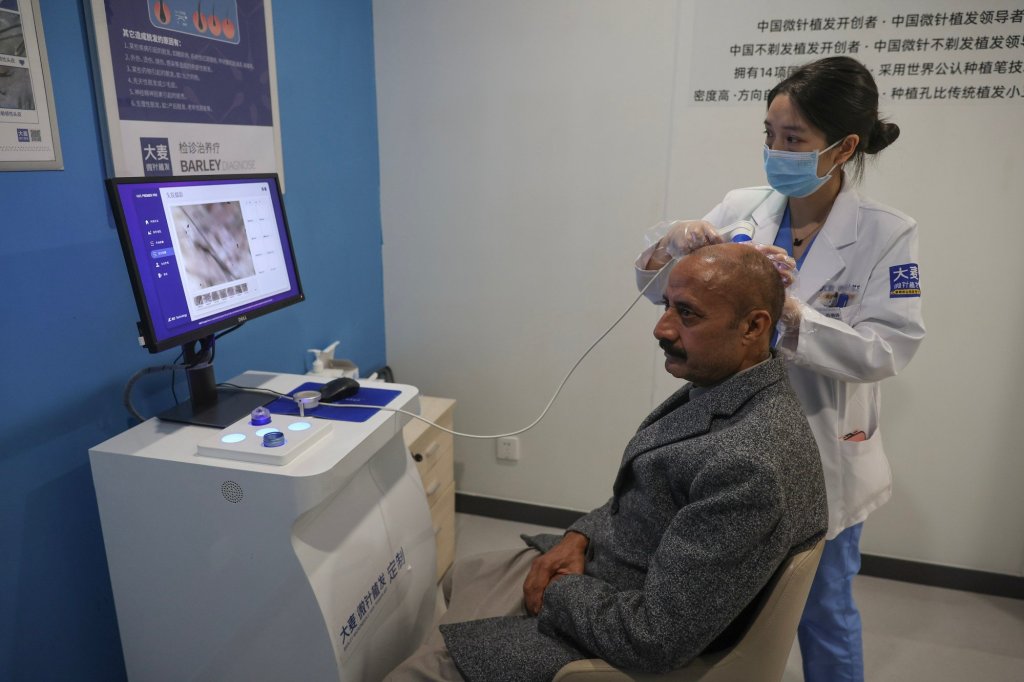
In recent years, residents of Hong Kong have become more awarea new habitTraveling north for their medical examinations. A 2024 survey revealed that almost one in three residents had obtained medical treatment in mainland China. The causes are as expected as they are concerning: reduced waiting times, more affordable medications, and clear pricing.
If this trend seems like a short-term solution for a stressed system, reconsider. What is happening is not a practical alternative; it’s an informal delegation of healthcare responsibilities. If allowed to continue, it could significantly weaken the system we have worked decades to establish.
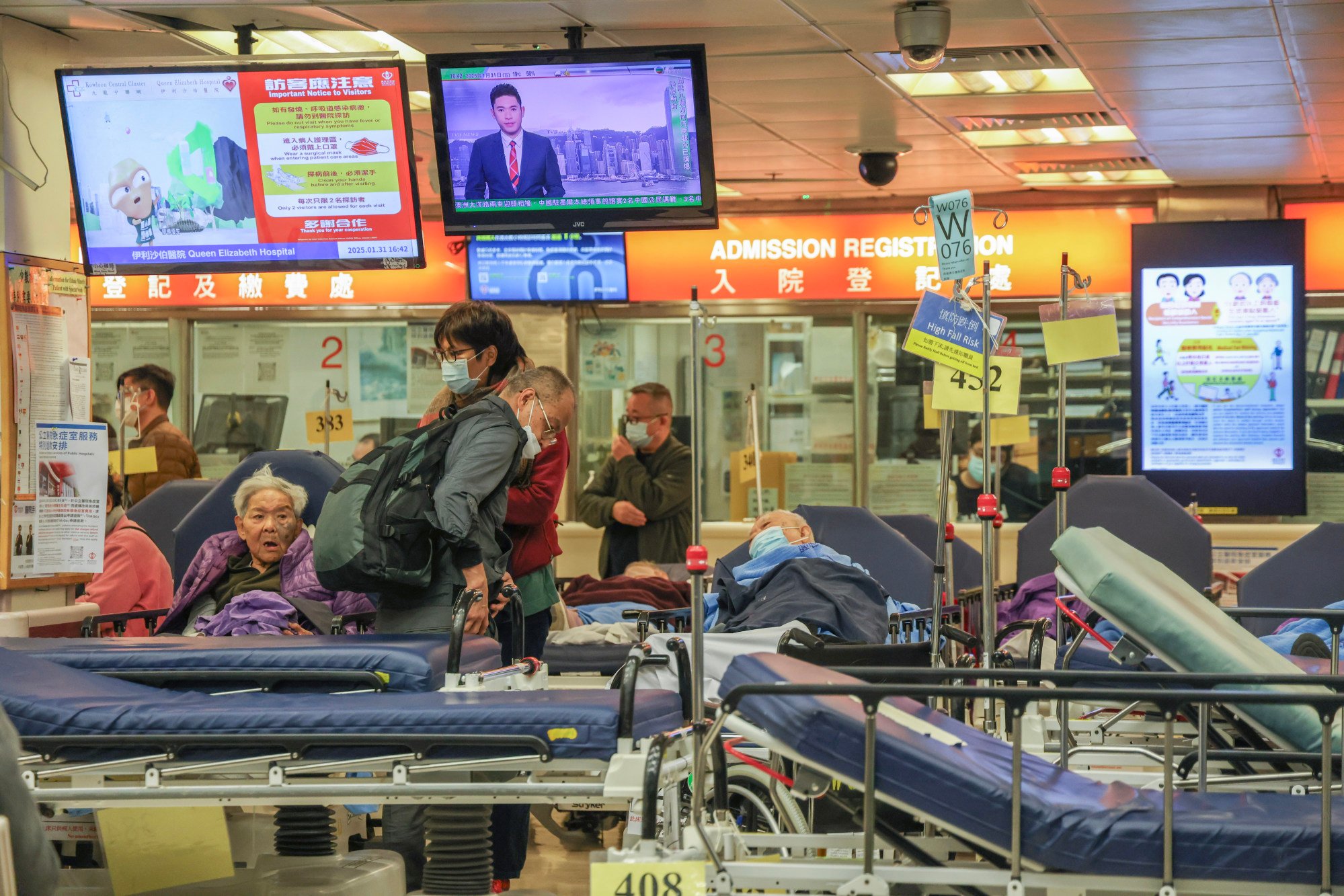
Hong Kong’s public hospitals, in certain aspects, are casualties of their own achievements. We have one of the world’shighest life expectancies– a medical miracle, indeed, but also a demographic ticking time bomb. An aging population leads to a sharp increase in healthcare needs. Combine this with a long-standing lack of medical personnel, and you end up with a system where scheduling a specialist is akin to securing a spot at a highly sought-after school.
Certainly, private hospitals provide an alternative option, provided you can afford it. For numerous families, the cost makes private treatment seem less like medical care and more like high-end shopping.
It’s no surprise that Hongkongers are looking beyond the border. There, appointments are faster. Costs are more transparent. Even the applications are superior. The reservation process in Shenzhen, located in Guangdong province, often resembles ordering a meal through a delivery app rather than arranging an MRI scan. Convenience is important. At present, we are falling behind in this aspect.
However, although Shenzhen may provide faster access to medical consultations, depending on it is certainly not a sustainable option. If a sufficient number of patients, and eventually medical professionals, begin to move northward, Hong Kong could lose its share of the healthcare market, along with its ability to cultivate future talent, conduct clinical trials, and advance medical innovation.
But before we get worried, let’s stay realistic. Firstly, Hong Kong urgently requires more staff. This encompasses doctors and nurses, along with the entire range of allied health professionals – physiotherapists, dietitians, and practitioners of traditional Chinese medicine.
The Primary Healthcare Office in Hong Kong needs to be given more authority to promote healthcare within the community via early action. Early management of long-term conditions helps ease the burden on emergency rooms.
Second, it’s time to put an end to the medical equivalent of sticker shock. The government’s initiative to require private hospitals to disclose standardised pricing is positive. However, let’s face it: transparency is ineffective without accountability. We require a regulatory authority with real power, rather than just gentle guidelines and consultation documents that are ignored. Otherwise, doubt will persist.
Another issue is the pharmacy challenge. Medications on the mainland tend to be significantly less expensive—so much that numerous patients are crossing the border solely to obtain their medicines.
However, instead of requiring local prices to equal those in Shenzhen, Hong Kong should concentrate on speeding up access to secure, efficient medications.
That implies accelerating expedited approval processes, such as the“1+ mechanism”, which enables a drug approved by a major foreign regulator to be authorized locally without years of redundant processes. If a cancer treatment has already received approval overseas, why should Hong Kong patients have to wait for administrative procedures to finalize?
Enable more effective treatments to be available earlier. Patients should not have to travel to access the best possible care.
To be precise, this is not a disagreement withworking with the mainland. When executed properly, cross-border collaboration can serve as a valuable advantage. When done carelessly, it turns into a reliance.
For instance, Zhejiang province holds a solid position intraditional Chinese medicine. Meanwhile, Hong Kong provides internationally recognized clinical standards and top-notch facilities. There is a clear opportunity here: Hong Kong can act as a certification and branding center for Zhejiang’s traditional therapies, while Zhejiang supports Hong Kong’s pharmaceutical supply chain.

Taking care of the elderly is another field in which the mainland is surpassing us. By utilizingartificial intelligence(AI) and real-time data have enabled Hangzhou in Zhejiang province to send ambulances that bypass traffic congestion. Senior citizens wear wristbands that track their health and trigger alerts, significantly reducing emergency response times. These are not speculative innovations. They are currently in use.
In a city facing the threat of population decline, Hong Kong cannot afford to ignore these models. With appropriate adjustments, it could make elderly care focused on prevention and respect, rather than dealing with emergencies.
All of this brings up a question: what is our true healthcare goal? Should we aim for a system that addresses issues as they arise, accepts long waiting times, and views mainland medical tourism as an unofficial backup plan? Or should we strive for a system that regains public confidence, ensuring prompt care, reasonable costs, and mutual innovation across the border?
This is not about picking between Hong Kong and the mainland. That simple choice is no longer relevant. What Hong Kong requires is to restore its fundamental framework while utilizing intelligent, well-considered collaboration—not driven by urgency, but by intention.
When a city’s population gradually departs in search of better health, it goes beyond a medical concern. It becomes a matter of trustworthiness.
If Hong Kong aims to become aglobal medical innovation hub, as the government states, it needs to address its core issues. Patients do not evaluate ambition; they assess waiting periods, expenses, and outcomes. Therefore, decision-makers should do the same.
The positive aspect is that we possess the skills, facilities, and global reputation needed to reverse this situation if we take action immediately—intelligently, together, and with greater urgency. After all, just like patients, healthcare systems can only delay treatment for a limited time before conditions deteriorate.
More Articles from SCMP
Child-friendly work environments would benefit Hong Kong in a mutually advantageous way.
Marks and Spencer to shut down its Mong Kok location in Hong Kong following a decade of operation
In what way is the electric vehicle sector supporting China’s ‘global expansion’ initiative?
This piece was first published in the South China Morning Post (www.scmp.com), a top news outlet covering China and Asia.
Copyright (c) 2025. South China Morning Post Publishers Ltd. All rights reserved.




 jasdooit
Leave a comment