

- Leila Djansi shows little excitement about the possibility of the Ghanaian government establishing a fund to assist filmmakers.
- As she stated, filmmakers were only planning to create films and upload them to YouTube, which would not generate sufficient revenue.
- Leila Djansi forecasted that the video-sharing platform’s income model would fail due to excessive competition.
Renowned director Leila Djansi has sounded an alarm to her peers regarding the dangers of depending on YouTube as their main way to share their work.
In a recent conversation, she characterized the video-sharing platform as both inefficient and untrustworthy for genuine cinematic endeavors.
On the morning program Daybreak Hitz, broadcast from Accra-based Hitz FM, Djansi voiced significant doubt regarding YouTube’s sustainability as a financial resource for movie creators.

“I apologize, but YouTube is expected to crash soon. There’s a lot of traffic on YouTube, and they constantly update their rules,” she said.
The filmmaker behind The Sinking Sands claimed that the platform’s excessive content volume has led to a situation where income is inevitably declining, and they wondered how much money creators could realistically make by just posting their work on the site.
“If you make it too saturated, they’ll lower the profits. So how much will you actually make if you just upload your movie to YouTube,” she questioned.
Leila Djansi’s remarks went beyond YouTube, addressing wider issues regarding the structure of Ghana’s film industry.
She voiced specific doubt regarding government-supported film funding, contending that these efforts would be too early without adequate distribution systems in place.
“Personally, I don’t trust the film fund. I truly don’t. I believe it’s too early since there’s no distribution in place. If you provide the film fund, how are they going to [generate profit],” she explained.
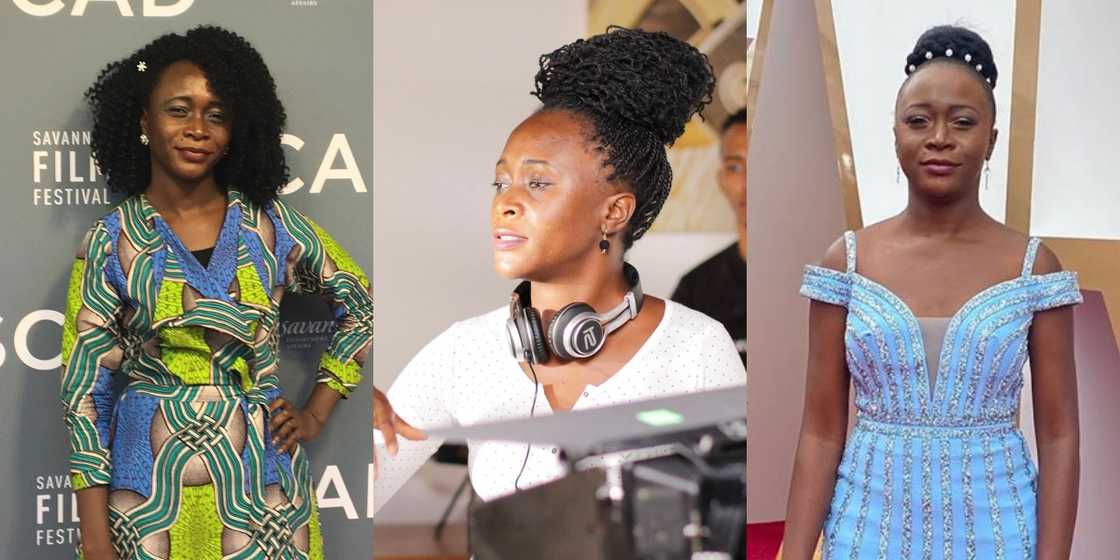
Djansi minimizes the government’s initiatives regarding a film fund
She highlighted this during a discussion regarding the government’s plan to create a film fund.
In her view, allocating funds to filmmakers who subsequently turn to YouTube for distribution would be a misuse of public money, since the platform is unable to offer long-term financial benefits.
In addition to issues of oversaturation, Leila Djansi highlighted piracy as another major challenge affecting YouTube’s ability to serve as a viable distribution channel for serious filmmakers. She also noted the platform’s ever-evolving policies as a cause of uncertainty for content creators aiming to establish long-term, stable businesses.
Djansi also revealed intentions for a networking gathering designed to enhance the nation’s film production skills.
Known as the Film Crew Networking Fixer, it will take place on Sunday, September 24, 2025, at 6:30 pm at the Kwame Nkrumah Memorial Park in Accra, with the goal of offering a space for individuals throughout the entire film industry to network and work together.
The director pointed out the absence of a skilled film team in Ghana as a critical problem that must be resolved for the sector to achieve its maximum growth.
Instead of depending on YouTube, Djansi encouraged filmmakers to seek out more effective distribution methods that could offer consistent income and chances for career advancement.
Watch the interview with Leila Djansi below:
Leila Djansi recounts Dumelo’s brush with death
Earlier, .ghreported that Leila Djansi explained how John Dumelo narrowly avoided death due to an error during a film production.
As she explained, a production designer provided an actual knife for a scene that included the Deputy Agriculture Minister.
 jasdooit
Leave a comment