
A regulatory authority has given the go-ahead for a groundbreaking vaccine designed to safeguard koalas against chlamydia, a disease responsible for infertility and mortality in this beloved native animal, which is classified as endangered in certain regions of Australia.
A one-dose vaccine was created by the University of the Sunshine Coast in Queensland state following over ten years of research headed by microbiology professor Peter Timms.
The study found that the vaccine lowered the chance of koalas showing chlamydia symptoms during their reproductive years and cut death rates from the illness in wild groups by a minimum of 65%.
The recent authorization from Australia’s veterinary medicine regulatory body allows the vaccine to be administered in wildlife hospitals, veterinary clinics, and in the field to safeguard the country’s most vulnerable koalas, Timms stated on Wednesday.
“We were aware that a single-dose vaccine, without the requirement for a booster, was the solution to curbing the swift and severe spread of this illness, which contributes to up to half of koala deaths across all wild populations in Australia,” Timms stated in a release.
“Some single colonies are nearing local extinction daily, especially in southeast Queensland and New South Wales, where infection levels among populations are frequently about 50% and can sometimes go up to 70%,” Timms noted.
Deborah Tabart, head of the Australian Koala Foundation, a conservation organization, stated that funds currently used for vaccinating koalas should be instead focused on protecting koala habitats.
“By risking appearing dismissive, how can someone be so mistaken as to believe you can vaccinate 100,000 animals? It’s completely absurd,” Tabart stated on Friday.
Tabart’s foundation believes there are less than 100,000 koalas living in the wild. A government-supported National Koala Monitoring Program reported last year that the population ranged from 224,000 to 524,000 koalas.
“I acknowledge that chlamydia is a problem for koalas, but I also hope people realize that their illness stems from the lack of suitable habitat,” Tabart stated.
The Queensland Conservation Council, which represents over 50 environmental groups throughout the state, expressed support for the vaccine. However, the council’s director, Dave Copeman, highlighted the importance of protecting koala habitats, similar to Tabart’s emphasis.
“That’s very positive news. Chlamydia is one of the main factors contributing to the stress on koala populations,” Copeman said.
“Koalas faced dangers prior to the chlamydia outbreaks, and they will continue to be in danger even if we successfully control chlamydia, as we keep on destroying their environment,” he added.
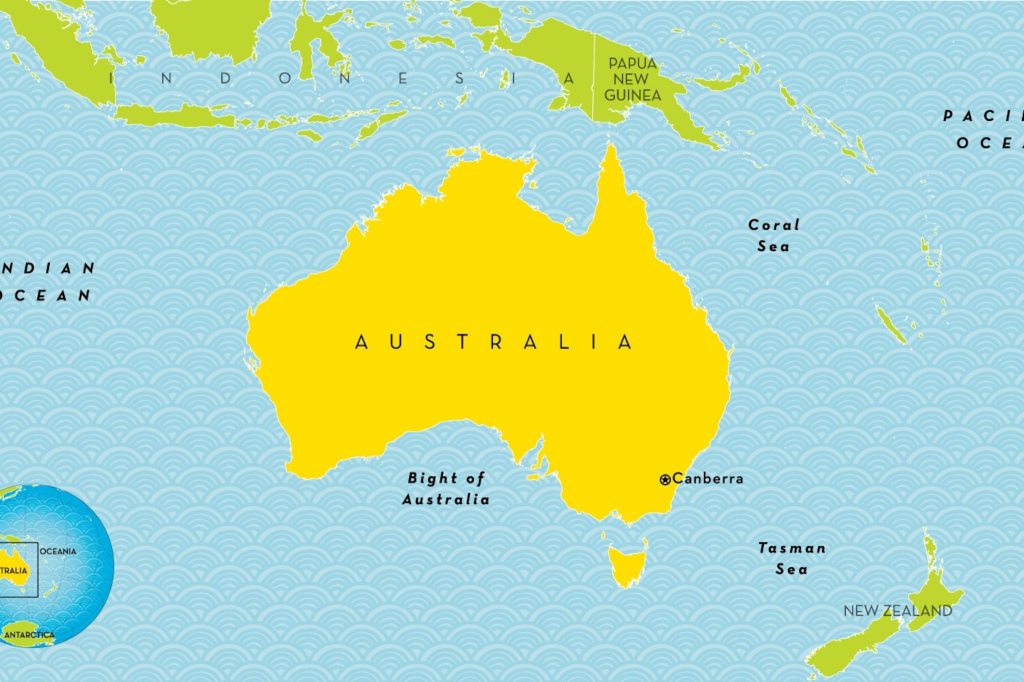
Koalas are classified as endangered in the regions of Queensland, New South Wales, and the Australian Capital Territory, with habitat destruction caused by bushfires and city development being the primary dangers. Chlamydia can lead to urinary tract infections, infertility, blindness, and even death.
Administering antibiotics to an infected koala may impair its capacity to process eucalyptus leaves — its only dietary option — resulting in starvation, according to the university’s announcement.
The study has received funding from the federal, New South Wales, and Queensland governments.
Federal Environment Minister Murray Watt stated that his government supported the vaccine’s creation by allocating 76 million Australian dollars ($50 million) through the Saving Koalas Fund.
“We are aware that koalas require assistance in combating diseases such as chlamydia. It poses a significant risk, affecting their reproductive health and leading to infertility,” Watt stated in a release.
Koalas are well-known Australian marsupials, similar to wombats and kangaroos. They spend the majority of their time feeding and resting in eucalyptus trees, and their paws feature two opposable thumbs that assist them in gripping and climbing tree trunks.
Koala numbers in the wild across Australia have dropped significantly over the last 20 years.
Confronted by increasing dangers from illness, loss of habitat, climate change, and vehicle accidents, koalas may vanish by 2050, as stated in a 2020 report by the New South Wales government.
Provided by SyndiGate Media Inc. (Syndigate.info).




 jasdooit
Leave a comment