
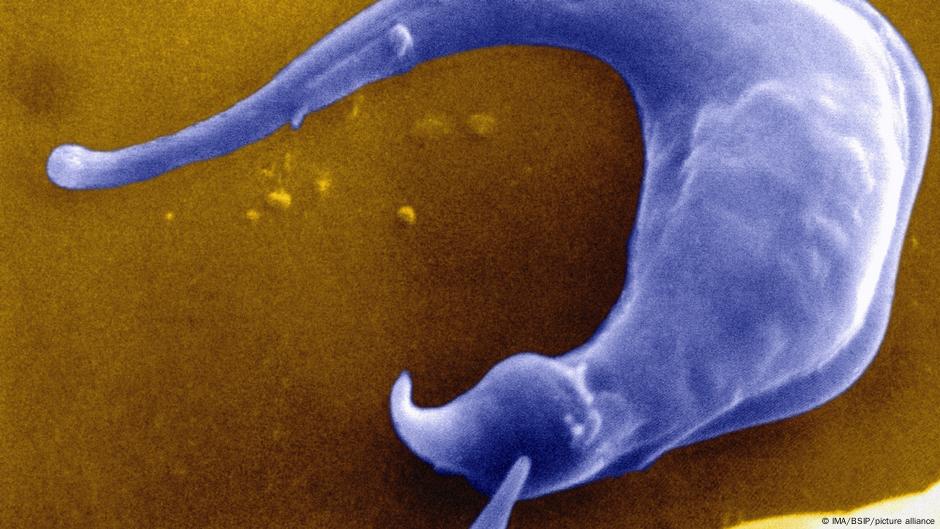
Once primarily found mainly in Latin America, Chagas disease is now becoming more common in the United States. The “kissing bug” transmits a parasite that may lead to severe harm to the heart and nervous system.
U.S. health officials are watching closely as instances of Chagas disease, which comes from South America, are becoming more common in the United States. Reports of the condition have emerged in at least eight states.
Scientists from the Centers for Disease Control and Prevention (CDC) are soon set to classify the infectious disease as endemic, indicating it is consistently present in a specific region or population.
This is more than a medical procedure; it serves as a warning: the illness would no longer be seen as a tropical disease brought in from abroad but rather as a long-term health threat within the United States.
The suggested categorization could lead to significant impacts on oversight, study, and care.
Illness spread through a bug’s bite
The illness is transmitted by the Trypanosoma cruzi parasite, which exists in several types of predatory bugs. The insect earned the name “kissing bug” due to its tendency to bite people who are asleep, especially on the face, particularly on areas with thinner skin like the lips or eyelids.
The danger does not come from the bite alone, but from the bug’s feces, which carry the pathogen. Scratching the wound or touching the eyes allows the parasite to enter the body. In some cases, infection can occur through blood transfusions, organ transplants, or during pregnancy from mother to child.

WHO highlights a disregarded threat WHO alerts about an overlooked risk WHO points to an ignored hazard WHO signals a forgotten danger WHO brings attention to a neglected threat
The illness was named following Brazilian physician Carlos Chagas, who identified it in 1907. Today, Chagas is no longer considered an unusual tropical disease. Due to migration, blood donations, and international trade networks, Chagas has also spread to Europe and North America. It is estimated that around 6,000 people are infected in Spain, and hundreds of thousands in the United States.
The World Health Organization reports that approximately seven million individuals are infected with the pathogen globally, with around 10,000 deaths occurring annually due to the infection. This illness is especially common in impoverished areas of Latin America, which is why the WHO categorizes it as a “neglected disease.” Thanks to recent information from the United States, this potentially deadly “disease of the poor” is now gaining more global attention.
What are the signs of Chagas disease?
The infection occurs in two phases. Many individuals who are infected may not experience any symptoms during the initial weeks or months following the infection. Some people may exhibit non-specific symptoms like fever, tiredness, or swelling near the wound, commonly an eyelid swelling, which is typically a painless, one-sided swelling of the eyelid often associated with conjunctivitis. These symptoms usually subside later, although the parasite continues to reside in the body.
Following a delay that may last for years, the chronic stage of the infection can emerge. This phase can lead to severe outcomes. Myocarditis, irreversible heart failure, or irregular heartbeats have been reported, along with abnormal swelling of the esophagus and colon. As many as 30% of infected individuals experience these complications.
The World Health Organization cautions that, if left untreated, the illness can be fatal, especially for infants, children, or individuals with a compromised immune system.
What are the methods for treating Chagas disease?
During the initial phase, the parasite can be identified under a microscope in the blood. In subsequent stages, antibody testing serves as the primary method for diagnosis.
To date, no vaccine has been developed. The treatment involves two antiparasitic medications, Nifurtimox and Benznidazole, which show high effectiveness in the early stage of the infection.
Both medicines, however, may lead to serious side effects and have not yet been officially approved for the treatment of Chagas disease in the EU, for instance. In the United States, these medications are typically only given during hospitalization. For chronic cases, the treatment mainly relieves symptoms; up to now, the disease is difficult to prevent.
Pets and wildlife can also become infected.
Not only humans are targeted: Dogs, cats, rats, armadillos, and opossums are also seen as significant carriers.
Specifically, Texas and California are now increasingly noting cases of infected dogs, suggesting that the spread of the pathogen has already taken root in the southern part of the United States.
How can one safeguard against Chagas disease?
To avoid an infection, experts advise taking strong measures to protect against insects. In areas affected, using insecticide-treated nets, sealing home walls, and implementing targeted pest control can be effective.
Veterinarians suggest medication for pets that is also effective against fleas and ticks. In numerous countries, blood donations are now regularly examined for the pathogen to avoid infection through blood transfusion.
This piece was initially composed in German.
Author: Alexander Freund




 jasdooit
Leave a comment