
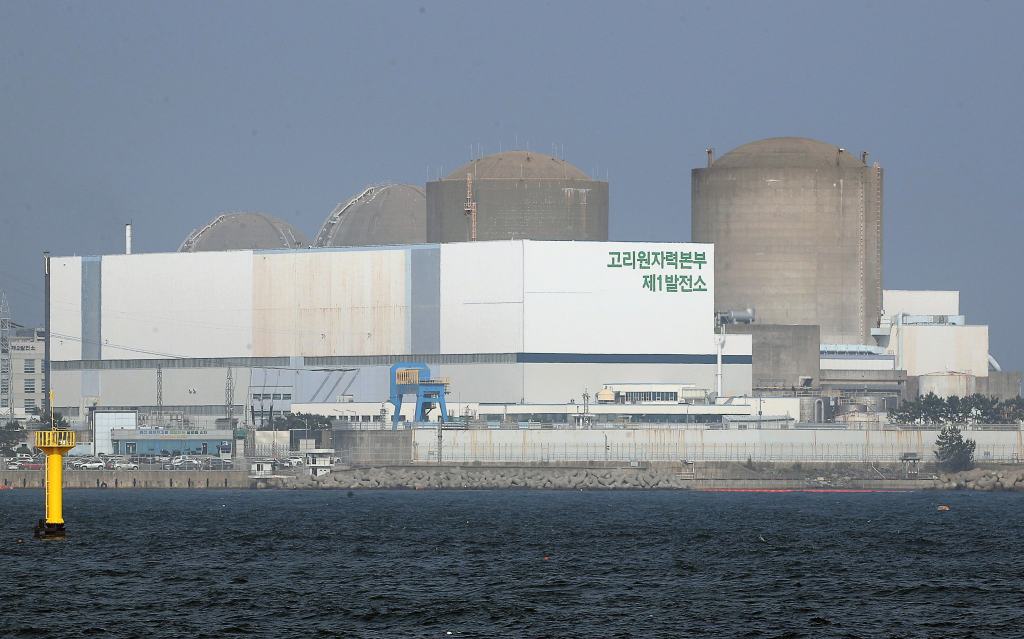
The storage areas for used nuclear fuel at major nuclear power stations are expected to become full from next year, as per data revealed on the 14th. Although worries have been expressed regarding nuclear power plants nearing their storage limits, this marks the first time specific information has been made public. Political groups are urging for “immediate updates to the U.S.-Korea nuclear agreement to ensure the right to reprocess spent nuclear fuel and other related privileges.”
As per data titled “spent nuclear fuel storage status and saturation rate projections for nuclear power plants over the next decade,” provided by Korea Hydro & Nuclear Power to the office of People Power Party Representative Yu Yong-weon, the level of spent nuclear fuel storage at the Gori Nuclear Power Plant is anticipated to hit a critical point next year. At present, it stands at 93.5%, and is expected to increase to 95.1% by next year.
This year, the Hanbit Nuclear Power Plant operates at an 85.3% saturation level, with projections indicating it will reach the critical threshold of 95.1% by 2029. The Wolsong Nuclear Power Plant, which uses a pressurized heavy water reactor, is currently at 84.6% and is anticipated to increase to 98.6% by 2033. The saturation rate for storing spent nuclear fuel stands at 93.5%, expected to rise to 95.1% in the following year.
Used nuclear fuel, following its deployment in reactors, is first kept in water-filled storage pools on-site. When these pools reach capacity or when reactor dismantling is necessary, the fuel is transferred to dry storage units located within the plant area.
Korea Hydro & Nuclear Power (KHNP) intends to decrease saturation levels by using dry storage facilities. At the Gori plant, wet storage racks in Unit 2 will be substituted with high-density storage racks by 2027, and dry storage facilities are expected to start operating by 2031, with the goal of reducing the saturation rate to 68.6%. KHNP estimates that if the Hanbit plant begins using dry storage facilities by 2030, the saturation rate could decrease to 65.3%. For the Wolsong heavy water reactor, the saturation level is anticipated to drop to 87.5% if dry storage facilities are expanded by 2034.
The difficulty arises from the extended development process for dry storage facilities. The “Special Act on the Management of High-Level Radioactive Waste,” which will come into effect at the end of this month, requires approval from a committee under the Prime Minister and the agreement of local residents to install dry storage facilities. This implies that considerable time will be necessary for choosing a location, securing community support, and building the facility.
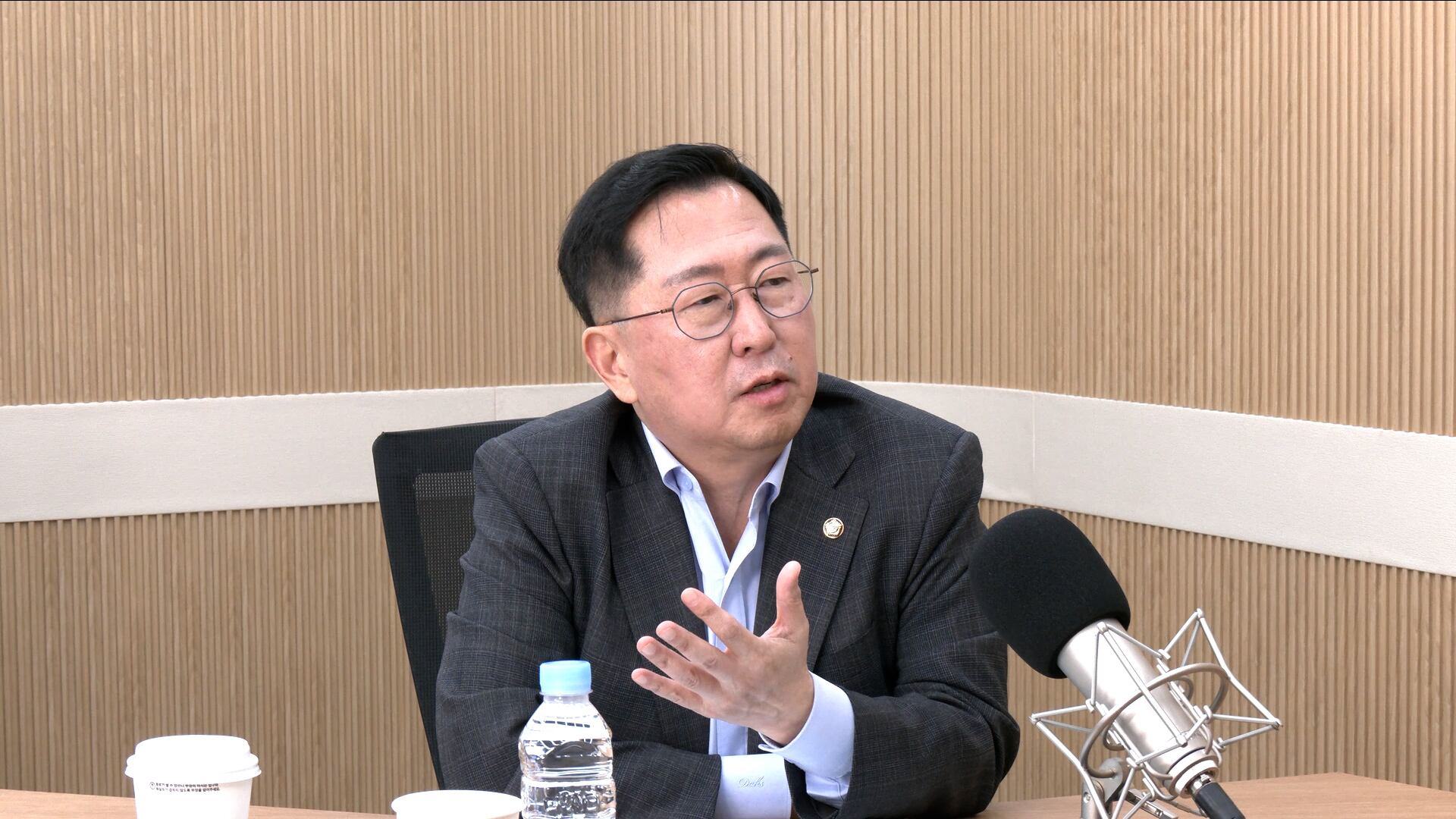
The government has highlighted the importance of updating the U.S.-Korea nuclear pact, noting that storage facilities for used nuclear fuel are approaching their limits. It is reported that U.S. and Korean officials have reached a consensus to grant South Korea the ability to enrich uranium and reprocess nuclear fuel, mirroring the 1988 updated U.S.-Japan nuclear agreement. Under that deal, Japan obtained reprocessing rights and uranium enrichment capabilities below 20%. Representative Yu remarked, “Given that this is a strategic initiative impacting energy security and the future of the industrial economy, South Korea, which operates 26 nuclear reactors, should at least receive rights comparable to those of Japan.”
※ This article has been translated by Upstage Solar AI.


 jasdooit
Leave a comment