
The frequency of gastroscopy examinations, which have been carried out on a yearly basis, is anticipated to change to every two years going forward.
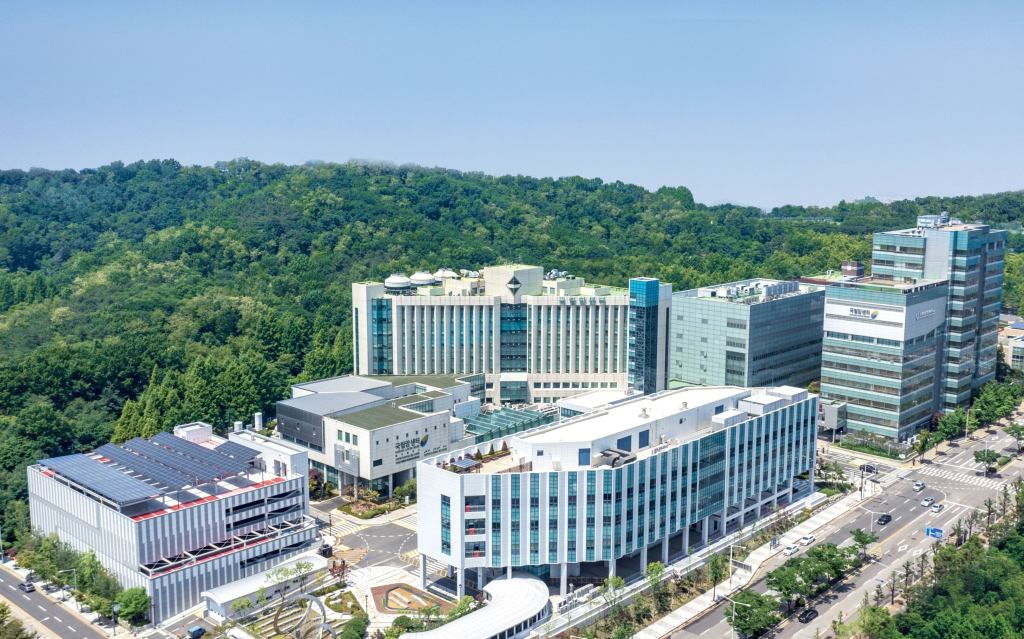
The National Cancer Center stated on the 16th that it conducted a public hearing on the first day of the previous month and evaluated the ‘National Gastric Cancer Screening Recommendations’ using global standard methods.
The national program for screening gastric cancer has been instrumental in increasing South Korea’s survival rate for this disease to the highest in the world. Since the National Cancer Center and relevant academic organizations first introduced the guidelines in 2001, they have been updated once in 2015, making this the first revision in a decade.
The updated guidelines were created using the GRADE (Grading of Recommendations Assessment, Development, and Evaluation) framework, which is widely used by leading global institutions like the World Health Organization (WHO) and Cochrane. GRADE is a structured process that thoroughly evaluates the strength and quality of evidence, along with the potential benefits and risks, to formulate recommendations. It is regarded as the global benchmark for creating clinical guidelines.
The main points of the updated guidelines are: ▲ suggesting endoscopic examinations for people between 40 and 74 years old, ▲ establishing a two-year interval for screening, and ▲ limiting upper gastrointestinal X-ray imaging to cases where endoscopy cannot be performed. It is important to note that upper gastrointestinal X-ray imaging, which was previously considered a ‘conditional recommendation’ following a doctor’s advice, has now been restricted to instances where endoscopy is not feasible.
The public hearing covered important topics including the quality control of gastroscopy screenings, screening methods for older adults, and strategies for individuals at higher risk. Panelists featured Yoon Jung-won, General Affairs Director of the Korean Society of Medical Check-up; Lee Dong-ho, Director of Clinical Guidelines at the Korean Society of Abdominal Radiology; Jung Hyun-soo, member of the Academic Committee of the Korean Society of Gastroenterology; Ryu Geun-won, Chairman of the Korean Gastric Cancer Association; and Shin Sung-sik, Head of the JoongAng Ilbo’s Health and Science Department, who presented their views.
Chairman Choi Il-joo of the revision committee stated, “The suggestions were developed using current guidelines, along with comprehensive literature reviews, meta-analyses, simulation modeling studies, and data analysis focused on the Korean population.”
Director Yang Han-gwang from the National Cancer Center stated, “This update reflects the progress of South Korea’s healthcare system,” and further noted, “The suggestions are mainly grounded in the effectiveness of gastroscopy screenings, which were voluntarily implemented in Korea.”
Earlier, the National Cancer Center also updated its guidelines for colorectal cancer screening. Alongside the current fecal occult blood test, colonoscopy was introduced as a primary option. The recommended age for screening using both methods is 45 to 74 years, with a suggested interval of 10 years for colonoscopies.




 jasdooit
Leave a comment