
By Duncan Mboyah
The African Union (AU) and Kenya have called on African nations to implement Artificial Intelligence (AI) in the control of trypanosomiasis.
Dr. Huyam Salih, head of the African Union InterAfrican Bureau for Animal Resources (AU-IBAR), urged scientists from the 38 African nations where trypanosomiasis remains a challenge to assist in implementing AI and integration.
“Trypanosomiasis is a disease that crosses borders, which is why modern technology through one health data platforms is needed for vector mapping, prediction, and surveillance to detect parasites and monitor resistance,” Dr. Salih said during the 37thInternational Scientific Committee for Research and Control of Trypanosomiasis based in Nairobi, Kenya.
She mentioned that AU-IBAR is currently implementing the African Union Digital One Health Platform (AU-DOHP) to encourage the integration and exchange of one health data, and noted that countries should make sure that technologies are available and suitable for local conditions.
Dr. Salih urged African governments to speed up their actions to eliminate trypanosomiasis across the continent by promoting cooperation and new ideas.
The official from the AU called on specialists to implement a one health strategy in their efforts to eliminate trypanosomiasis, as the disease continues to threaten the livelihoods of millions relying on livestock.
She observed that trypanosomiasis still prevents numerous young people from finding work throughout the continent, and leads to malnutrition and growth delays in children because of unhealthy livestock and lower agricultural output.
Dr. Salih stated that 38 of the 55 African countries are impacted by tsetse flies and trypanosomiasis, with 50 million cattle facing the threat of the disease, leading to an annual loss of 3 million lives.
She mentioned that approximately USD 1.2 billion is directly lost each year due to lower meat and milk output, treatment expenses, and efforts to control vectors, while almost six million individuals were at risk of trypanosomiasis in 2024.
She, however, pointed out that the number dropped from 28,000 in 1999 to 583 in 2024 as a result of decades of joint monitoring, advancements in treatment, and efforts to control vectors in areas where the disease is prevalent.
Mutahi Kagwe, the Cabinet Secretary for the Ministry of Agriculture and Livestock Development, called on researchers and scientists to collaborate in developing solutions to the issues caused by tsetse flies in Africa using advanced technologies like artificial intelligence.
“The effect of trypanosomiasis is experienced throughout sub-Saharan Africa, and it is essential for scientists to collaborate in fighting it, as the issue goes beyond borders, sectors, and fields,” Kagwe stated.
Kenya is one of 38 African nations impacted by the tsetse fly, with about 23 percent of its territory affected. He mentioned that the existence of the tsetse fly has major consequences for livestock and farming output in Kenya, especially in the rangelands where more than 70 percent of the livestock are raised.
Kagwe highlighted that Kenya suffers a loss of 143 million USD each year because of tsetse flies and trypanosomiasis. The financial effect of Trypanosomiasis on farming activities is valued at an impressive 5 billion USD yearly in areas affected by tsetse flies.
Trypanosomiasis also leads to reduced draft capacity and reproductive ability, which weakens food security and rural economies.
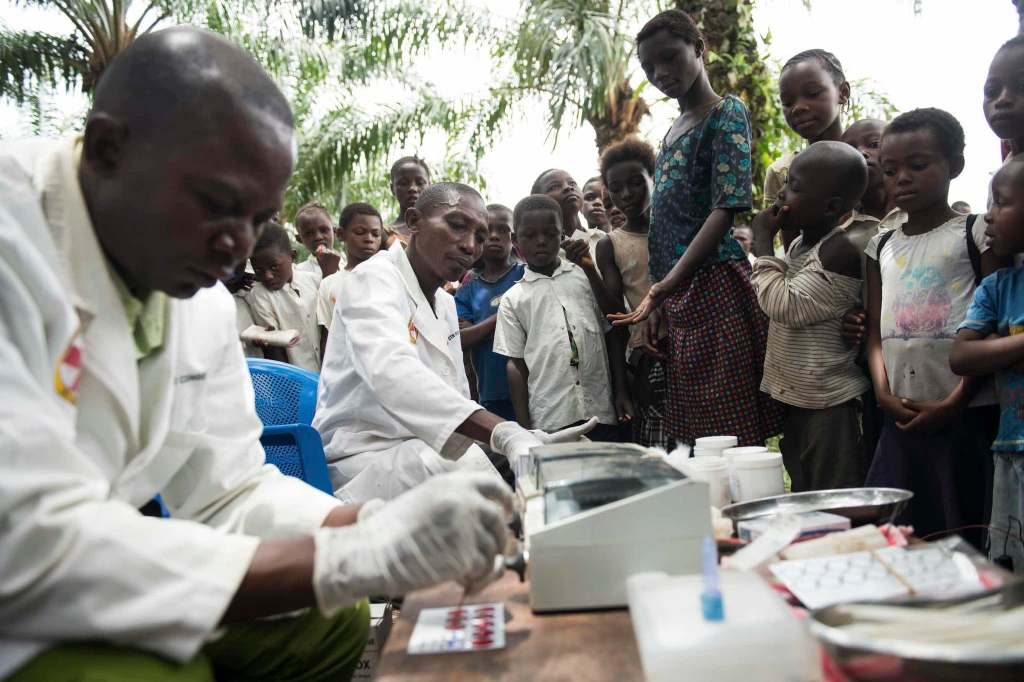
International scientists are holding a seven-day meeting to address the eradication of trypanosomiasis, a condition that continues to be one of Africa’s major obstacles to economic and social progress.
The conference, themed “Leveraging One Health technologies and innovations to eradicate trypanosomiasis in Africa,” has 300 participants.
Provided by SyndiGate Media Inc.Syndigate.info).




 jasdooit
Leave a comment