
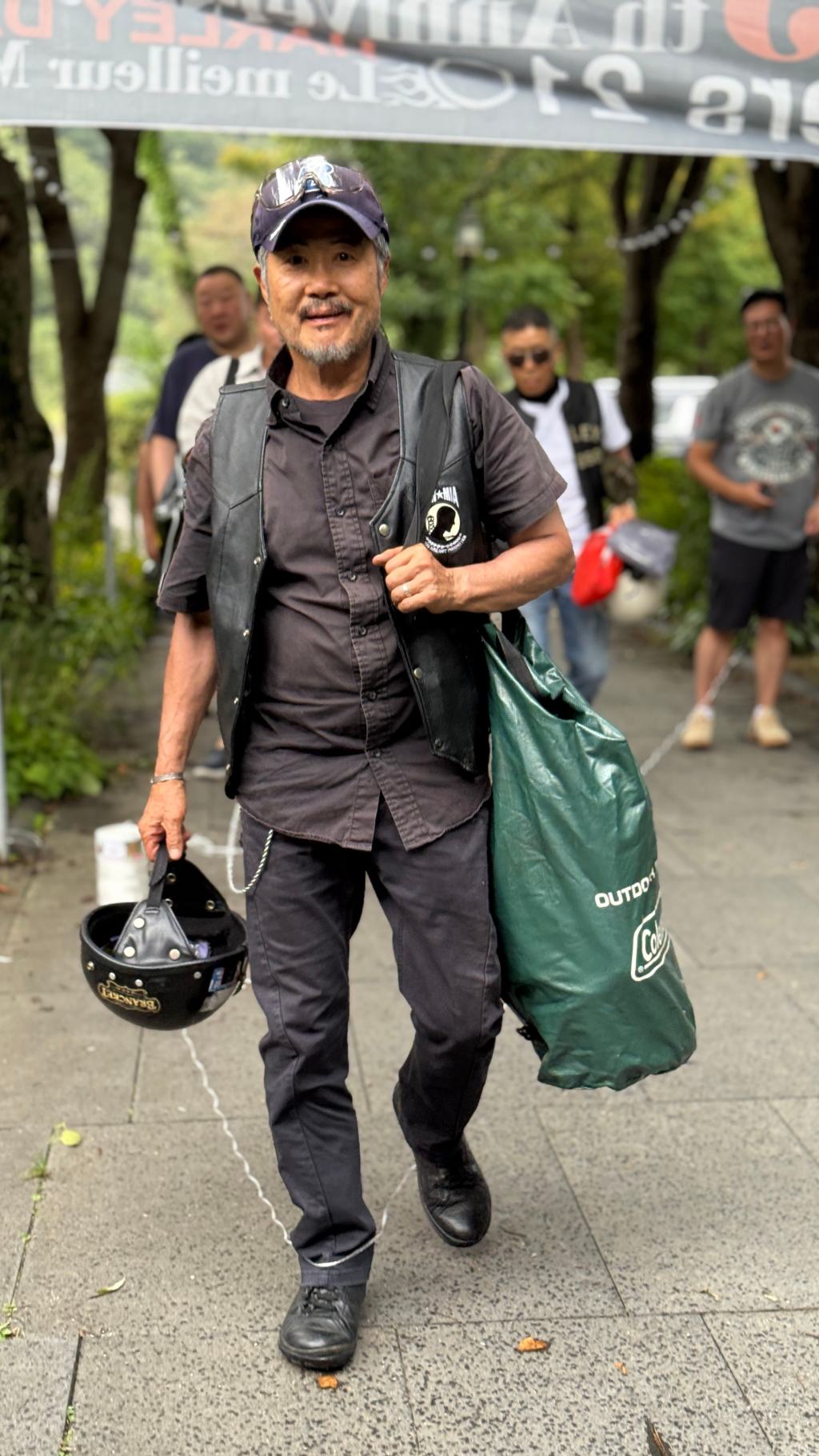
Lee Min-ki, the head of Seokgyo Trading Co., marked the company’s 40th anniversary this year. Every day, after lunch, he takes a walk along the Tancheon stream. This is considered an excellent time for making crucial business decisions without any interruptions. However, he doesn’t take it easy—he walks quickly, often showing an unconscious dislike for being passed by. Sometimes, he walks just for enjoyment, but his pace remains fast. It takes him 40 minutes to get to his destination and another 40 minutes to return, totaling 80 minutes of walking that amounts to 10,000 steps. During these walks, he frequently expresses gratitude: “Thank you, God, for letting me walk energetically.” He reflects on how many people have difficulty moving or are unable to walk freely, and he has come to appreciate how lucky he is to be able to walk well.
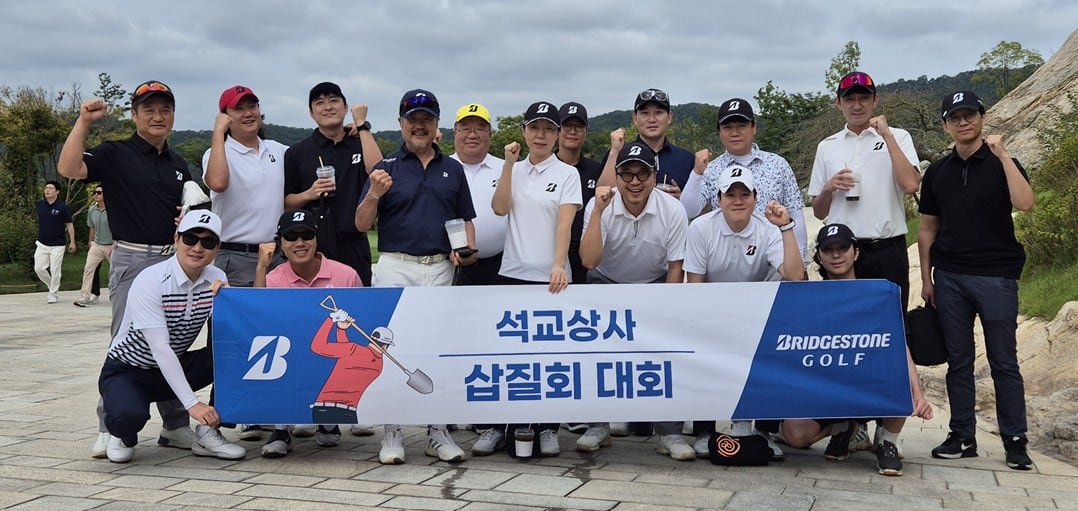
Born in 1953, Lee has been at the helm of Seokgyo Trading Co., a company that imports golf equipment, since it was established. He is considered one of the first-generation trailblazers in South Korea’s golf sector, having guided the business through difficulties such as the IMF crisis and worldwide economic slumps. A few years back, he spoke about dealing with diabetes, but now he looks more slender, with a bright, healthy appearance. His approach to health appeared to be just as significant as his knowledge of golf.
What changed?
Two years back, I went through an event that prompted me to alter my way of living—a simple, routine incident. My spouse asked me to swap a lightbulb in the room. As I was on a chair, my legs trembled so intensely that I was worried about falling. I had always believed I was in good health, but that instant made me understand there was a serious issue. I had previously heard about muscle loss happening as one ages, and now I truly grasped its significance.
Initially, he shed some weight. Standing at 168 cm, he keeps his weight between 65–66 kg. Two years back, he weighed 74 kg and managed to lose around 8 kg, which is approximately 10% of his total body mass. He follows a pattern of intermittent fasting, consuming only water and herbal tea for 14 hours starting from his 6 p.m. dinner until his 8 a.m. breakfast. His nutritional plan emphasizes low carbohydrate intake, along with plenty of vegetables and protein. He places importance on breakfast, typically eating raw vegetables such as cabbage, carrots, and cucumbers, boiled shiitake mushrooms, one boiled egg, and a small amount of brown bread or baguette for carbohydrates. For lunch and dinner, which are often connected to work, he maintains a well-rounded diet while keeping carbohydrate consumption to a minimum.
The timing of his meals is essential. Even when consuming identical foods, blood sugar levels can differ greatly. He begins with vegetables, then eats protein (such as anchovies), and limits his carbohydrate intake to one-third of what he used to consume. This approach helps avoid spikes in blood sugar after eating. Due to a family history of diabetes, his HbA1c was 6.7–6.8 and his fasting blood sugar was 122 two years ago. Currently, both values are within the normal range.
Beginning weight management in his 70s left him feeling unsure, so he enrolled in the Switch On diet program, which requires sending pictures of his meals to a physician for medical supervision. He sometimes uses dietary supplements to keep his energy levels up.
He gave up unhealthy habits such as overeating and ignoring his physical health, choosing instead to establish routines that help build muscle. Similar to his daily 10,000-step walks along the Tancheon, exercise is now a regular part of his routine. He follows an Instagram account that provides simple but effective workouts and exercises lasting 20–30 minutes each morning and evening in his small bathroom. He changes his routines to prevent monotony—doing 50 squats in three sets, and using 5 kg weights for biceps, triceps, and forearm exercises are essential parts of his regimen.
In the morning, he performs squats to work on his glutes; in the evening, he concentrates on his thigh muscles. For dumbbell exercises, mornings are dedicated to his forearms and biceps, while evenings focus on triceps and shoulder muscles. Recently, he incorporated planks—three sets lasting one minute and thirty seconds, which make him shake. “Seeing my reflection in the bathroom mirror after working out increases my confidence,” he mentioned. “Watching muscles slowly develop makes me think, ‘I’m still alive!’”
At a recent high school gathering, he got playful compliments: “You can’t hang out with us—you look way too young, and why are you dressed like a child?”
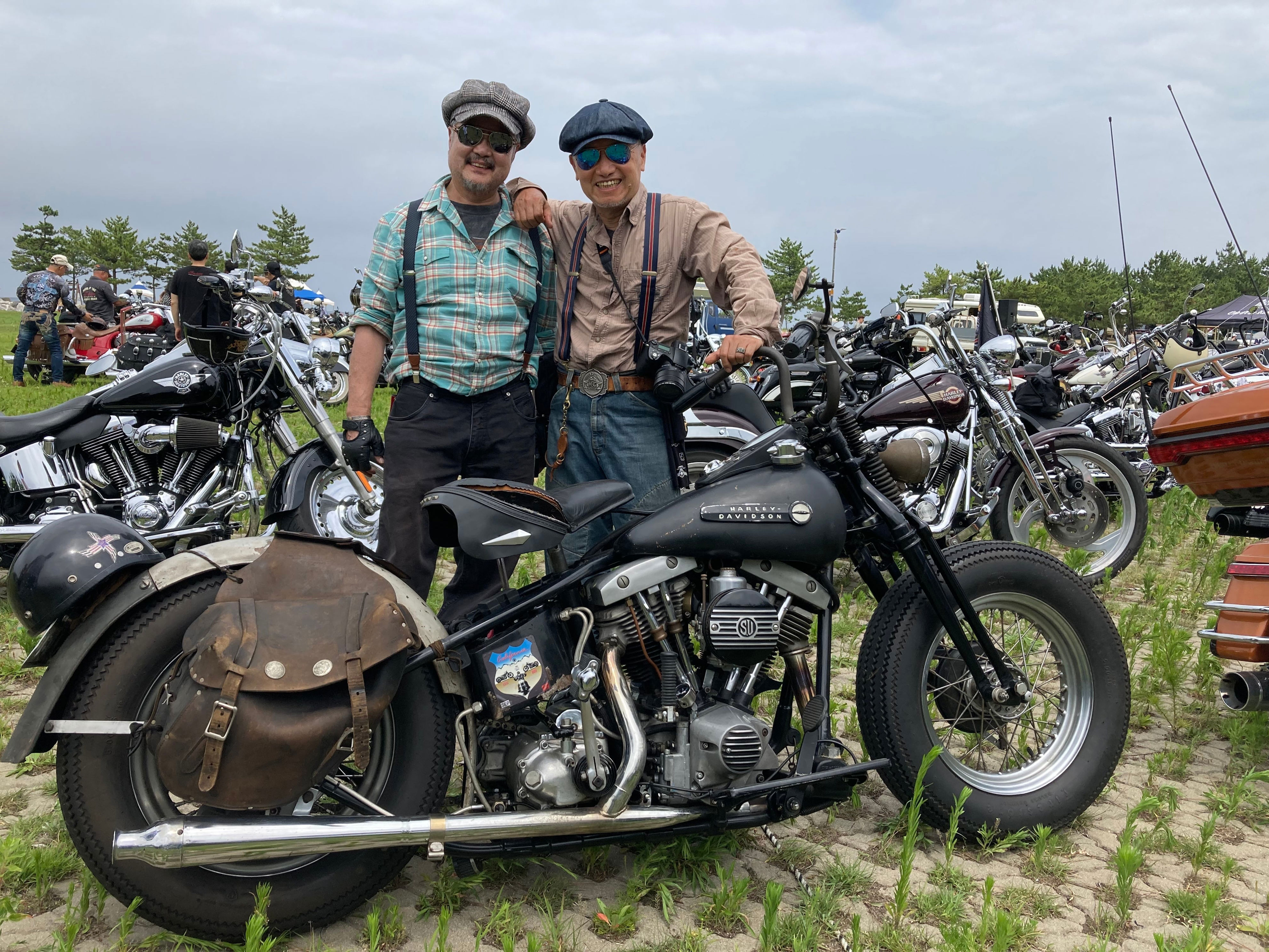
Lee has a wide range of interests. Within the golf community, he is well-known as a passionate motorcycle rider, considered an influential figure in the biking world. He also roasts coffee beans, a talent he developed to make great coffee for his wife. He likes to share good music with friends and still plays golf, which remains closely tied to his career.
He experiences significant joy by staying engaged in his present position: “Regular communication with people keeps me focused. If I had retired, I wouldn’t have taken care of my health so thoroughly.” He participates in early morning Mass and wishes to assist others physically, motivated by his confirmation name, St. Vincent.
The most fulfilling part of his golf enterprise is the annual “Love Sharing Golf Tournament” that takes place each autumn. The 17th edition last year generated 240 million South Korean won, which was given to Sungga Welfare Hospital, Joseph Hospital, and Seondeok Welfare Center. The event has continually set new fundraising milestones, with total donations surpassing 2.1 billion South Korean won over 23 years. When factoring in individual contributions and the donation of medical equipment, the overall amount exceeds 2.3 billion South Korean won.
I believe the good fortune and blessings I’ve received were never entirely mine,” he stated. “Witnessing others facing difficulties makes me feel guilty. I feel driven to share or give back the prosperity that wasn’t originally mine.



 jasdooit
Leave a comment