
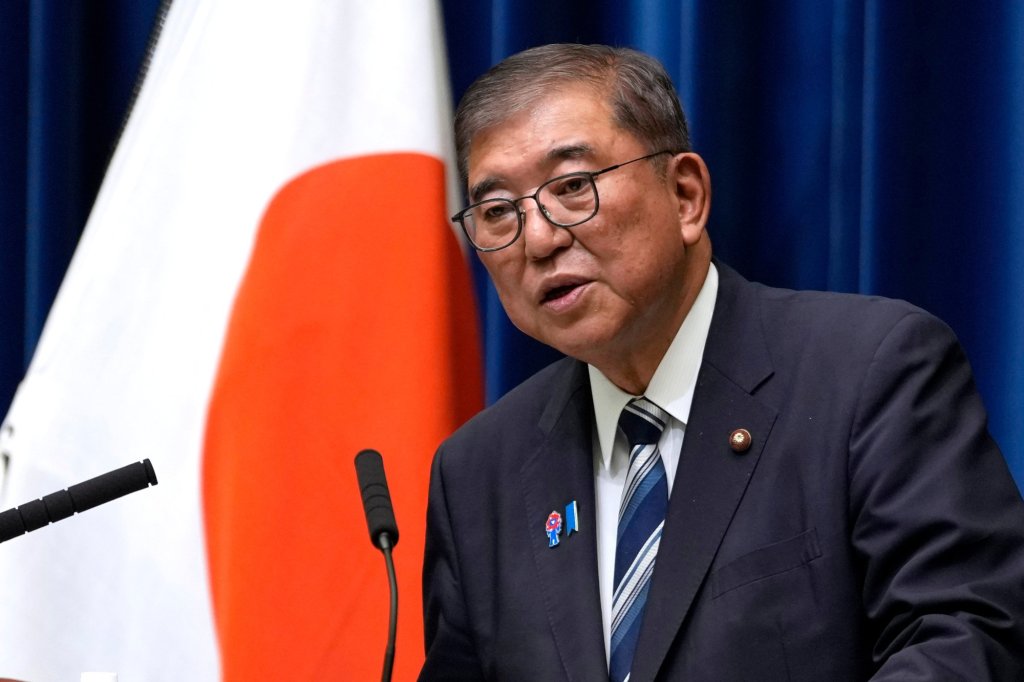
A pilot initiative will employ artificial intelligence to examine online behavior and identify individuals considered as possible risks, although opponents caution that this could constitute an excessive intrusion.
JapanLaw enforcement agencies are utilizing artificial intelligence (AI) to detect people who may be prone to carrying out “terrorist attacks” by analyzing their social media activity, yet experts warn that this approach might lead to the unjust inclusion of ordinary individuals participating in regular political conversations.
The National Police Agency is requesting 49.5 million yen (US$338,000) in the budget for the following year to launch a trial initiative that would employ AI to examine internet behavior and identify people considered as possible risks.
Authorities state that the action is essential to address a significant increase in threatening messages on social media – especially those directed at politicians. Before the July general election, police found 889 online posts that were seen as possible indicators of an upcoming attack.
A post on the Instagram feed of the Prime MinisterShigeru Ishibaread, “It’s not unlikely that someone might attempt to harm you, so it’s advisable to put on a helmet and a protective vest.”
Just prior to the former prime ministerFumio Kishidawas scheduled to deliver a campaign speech outside a station in Chiba Prefecture, when a message appeared on his X account reading, “I’ll kill you if you come.”
In that incident, the police managed to determine the identity of the poster and issued a warning. The individual who sent the message informed the police that he had posted it while under the influence, according to the Asahi Shimbun newspaper.
Although authorities present the AI project as a means to combat terrorism, opponents argue that the danger is being exaggerated—and the system’s overall effect on personal freedoms is still uncertain.
“The police claim this system is essential for preventing terrorist attacks, but I must point out that there are very few terrorists in Japan, although there are underworld criminal organizations and certain radical student groups remaining,” said Shinichi Ishizuka, founder of the Tokyo-based Criminal Justice Future think tank.
“In my opinion, this could become a highly effective tool that will produce vast amounts of data since it will highlight keywords from people’s social media or those stored on their computers,” he said to This Week in Asia.
The issue is that it will alert individuals who are not intending to commit an attack, but are simply engaging in regular political discussions that occasionally include words the AI is looking for.
Ishizuka also challenges the effectiveness of a system designed to detect “lone wolf” attackers, as, by definition, these individuals do not share their intentions with others.
“It may be referred to as ‘disorganised crime’ since it will be extremely challenging for anyone to establish links when these individuals are not discussing their plans,” he stated.
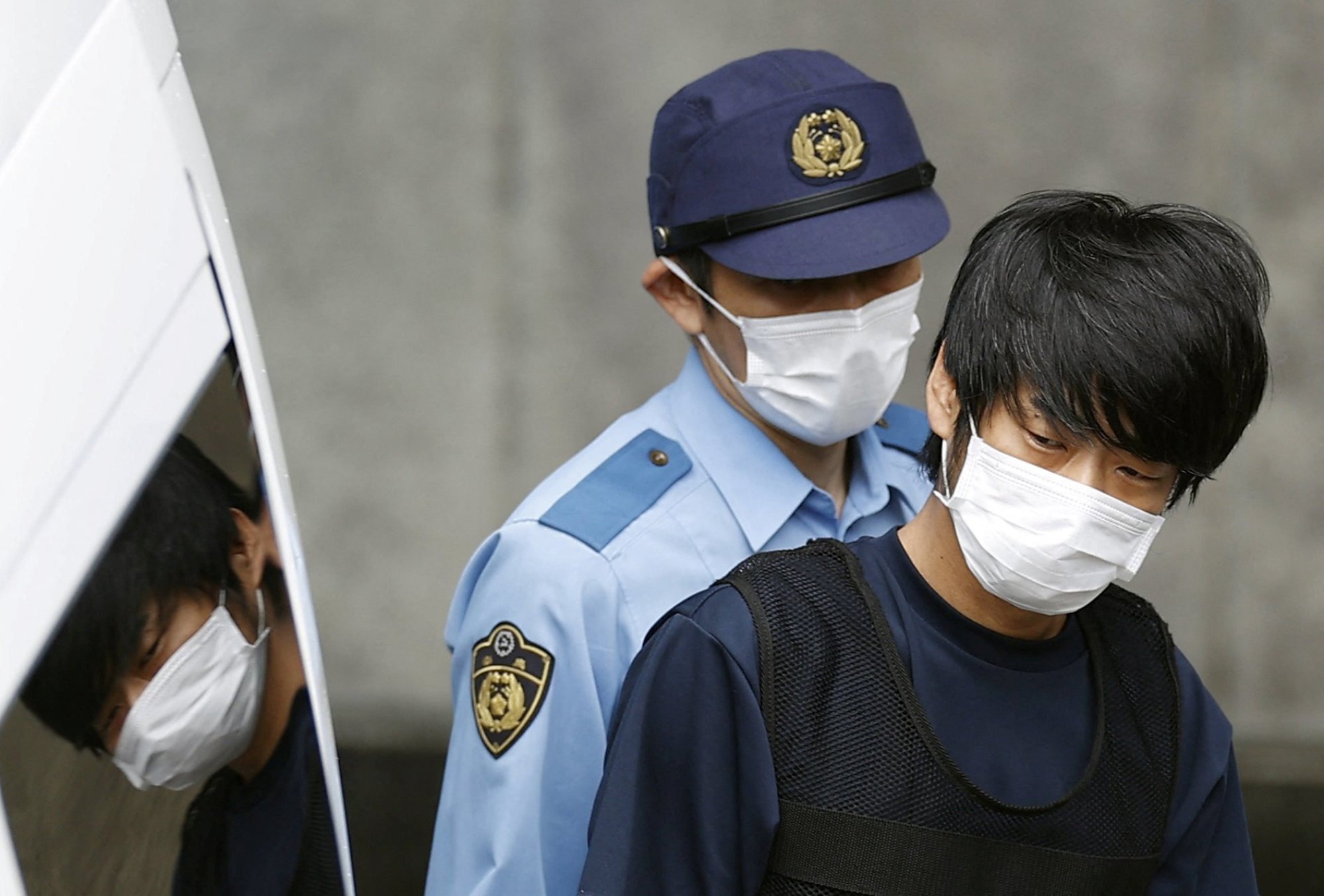
The initiative is associated with a division inside the Tokyo Metropolitan Police Department established in April to detect possible threats“lone wolf” assailantsand to prevent their schemes.
The unit was established following the previous prime ministerShinzo Abe was shot deadIn July 2022, and again in April 2023, Kishida became the target of a pipe bomb attack. In both instances, the attackers were young men who were upset and acting based on personal issues.
Tetsuya Yamagami, who has been found to be mentally fit and is scheduled to face trial on October 28, has informed investigators that he was upset with Abe due to his association with the controversial Unification Church, which his mother had contributed large amounts of money to, causing the family to fall into poverty.
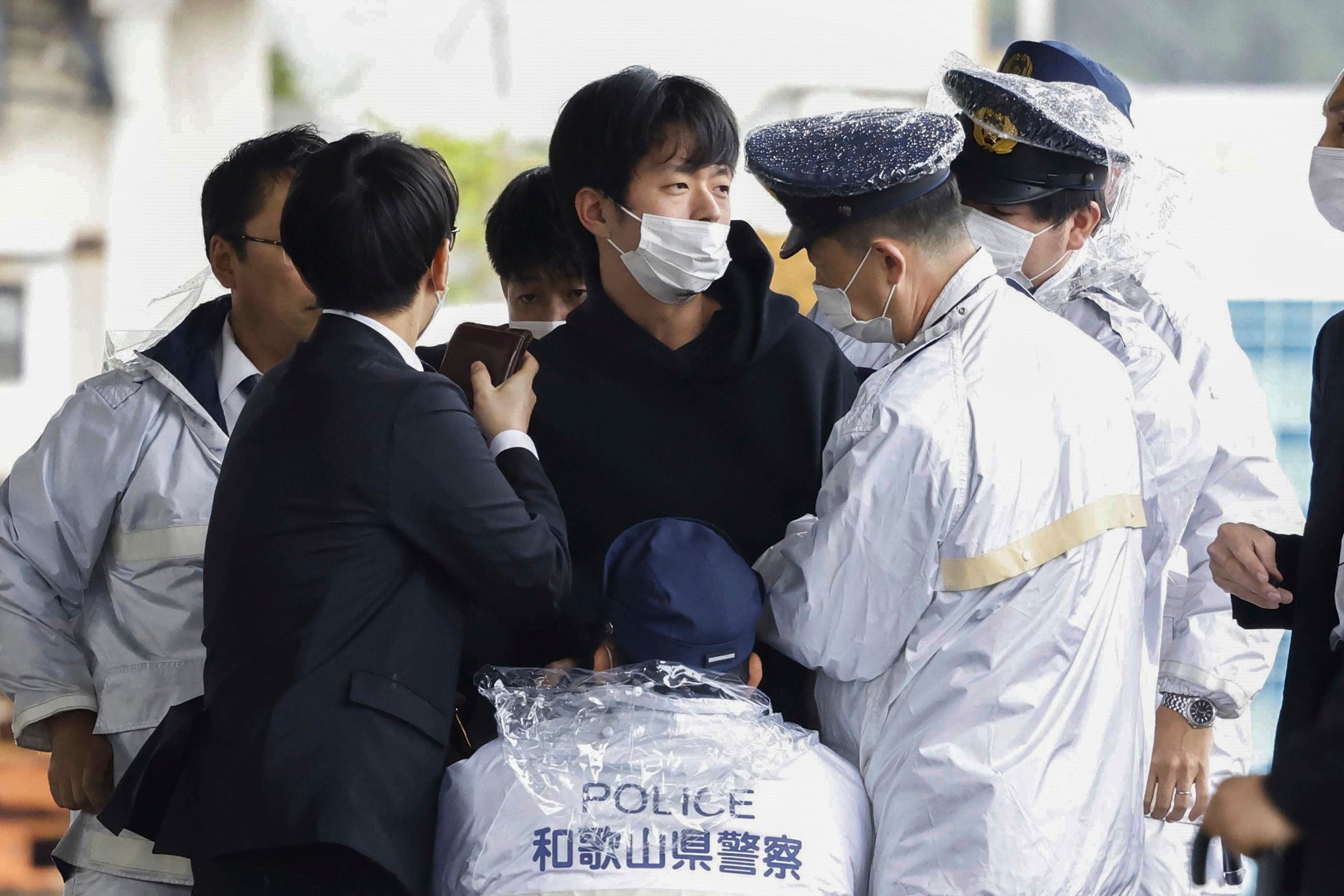
In February, 25-year-old Ryuji Kimura received a sentence of10 years in prisonfor trying to kill Kishida during a campaign speech in Wakayama prefecture. Kimura stated that he was driven by frustration with Japan’s election regulations, which prevent individuals under 25 from running for the lower house of the Diet and those under 30 from contesting the upper house.
Social media comments show that people back the plan, with one post connected to an Asahi Shimbun article saying, “It appears very challenging to run an AI system that decides instantly whether to arrest someone for committing a crime or for conspiracy, but I believe it’s commendable for attempting something innovative.”
Another added, “For individuals with nothing to conceal, I don’t believe they will be overly worried about their data being examined, and I hope everything proceeds without issues.”
A third portion believed that technology would excel in detecting dangers, as it could analyze enormous volumes of data much quicker and more effectively than groups of human investigators.
Others, however, expressed concern.
If this system demonstrates effectiveness, it might ultimately be legalized, resulting in a dystopian scenario where the government gathers all digital information, including emails and phone conversations, without any restrictions,” a user commented. “I back crime prediction, but I hope they don’t overstep when it comes to managing personal data.
Stephen Nagy, a professor of international relations at Tokyo’s International Christian University, also challenges the police in connecting the AI-driven system to the risk of terrorism in Japan.
“The police have clearly invested significant resources into the anti-terrorism initiative lately — I’ve noticed advertisements at the airport and train stations — but I don’t believe there are any domestic terrorist organizations active at this time,” he stated.
Nevertheless, police appear not to be employing AI to address other criminal activities, such as the unlawful behavior of “yakuza” organizations, which Nagy suggests are arguably more urgent and present a bigger threat to regular Japanese citizens.
Anti-crime initiatives that incorporate artificial intelligence have been implemented in several other nations.
A machine learning model created at the University of Chicago has been noted for achieving 90 percent accuracy in forecasting crime within urban regions of the United States, whereas the Dejaview system in South Korea examines closed-circuit television footage in real time and incorporates crime data to identify indications of ongoing offenses.
More Articles from SCMP
2025 Policy Speech: Hong Kong’s John Lee Advances Major Economic Reforms
This piece was first published in the South China Morning Post (www.scmp.com), a top news outlet covering China and Asia.
Copyright (c) 2025. South China Morning Post Publishers Ltd. All rights reserved.


 jasdooit
Leave a comment