
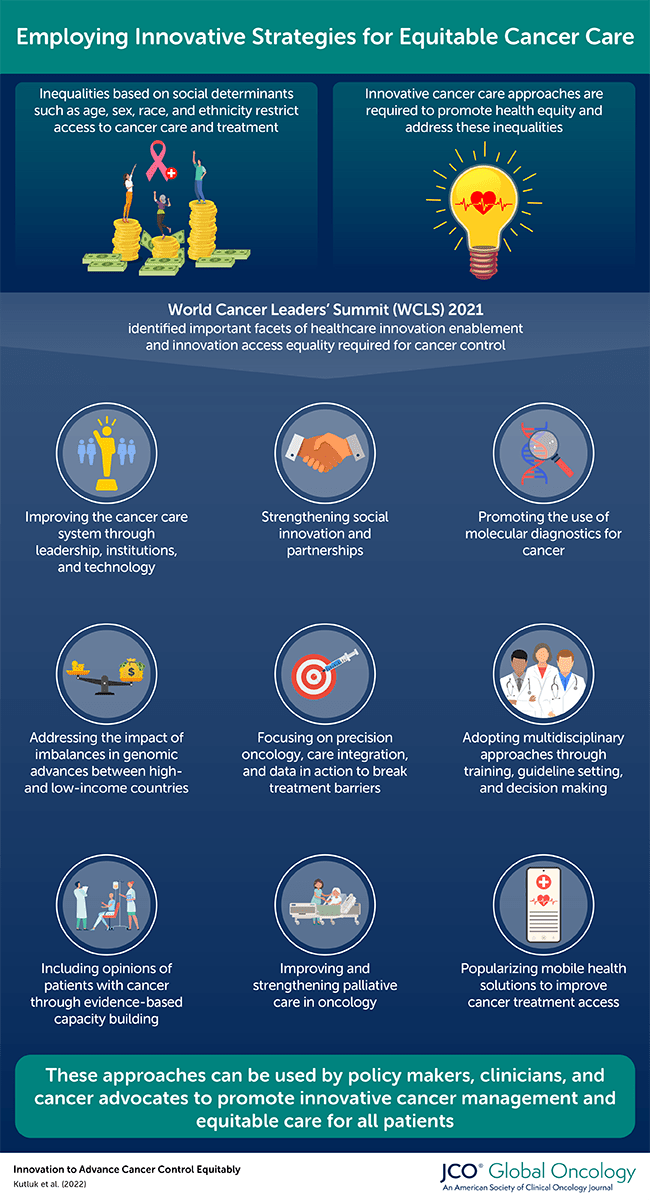
Experts have cautioned that Nigeria’s cancer treatment system is weak and can be strengthened by quickly localizing the oncology supply chain to lower expenses, enhance dependability, and save more lives.
At the launch of the 8th Annual Scientific Conference of the Association of Radiation and Clinical Oncologists of Nigeria in Port Harcourt, Dr. Olusegun Biyi-Olutunde, Chairman of the Local Organising Committee, cautioned that without tailored approaches, Nigeria’s cancer care system would continue to be vulnerable.
Dr. Biyi-Olutunde said, “Cancer treatment involves a series of elements — from laboratory chemicals to radiation sources, from digital systems to injection devices. By reinforcing and producing certain segments of this chain through clear purchasing processes, local collaborations, and regional teamwork, we can reduce expenses and enhance dependability,” he emphasized.
“Enterprise is not a self-centered term when it benefits patients. Through responsibility and teamwork, enterprise transforms into a driver for fairness,” Biyi-Olutunde said, noting that the nation currently has fewer than 15 cancer radiation centers across the country.
He added, “We are medical professionals who interact with patients daily and observe their suffering. There’s no justification for not having at least one operational radiotherapy center in each state of Nigeria. These are expensive ventures, certainly, but they can be realized if the government makes them a priority.”
In her presidential speech, ARCON President, Dr. Nwamaka Lasebikan, recognized the advancements achieved in cancer research and education but admitted that the care system was still fragile, particularly concerning financial support and availability of treatment.
Lasebikan stated that cancer treatment in Nigeria is significantly underfunded, forcing patients and their families to bear excessive financial burdens. She emphasized that the government needs to quickly allocate more resources and establish improved systems to facilitate access to medical care.
Cancer treatment comes with high costs, both in Nigeria and around the world. Although the government has established the Cancer Health Fund to assist patients with breast, cervical, and prostate cancer who are in need, the financial support is insufficient and inconsistent. However, this initiative is still in its early stages.
“I think the government should consider unconventional approaches, inject more funding into this plan, and establish regulatory frameworks to ensure more patients can access this more affordable form of treatment,” she stated.
Dr. Lasebikan pointed out that although existing financial support focuses on the three most prevalent types of cancer, the pattern in Nigeria is changing, with increasing instances of lung, liver, and colorectal cancers.
Additionally, while we aim to focus on the top three cancers, it’s important to recognize that we are starting to observe a shift. More individuals are presenting with lung cancer, liver cancer, and colorectal cancer.
“The treatment is also costly, and the government should take action to help reduce the hardship for people,” she added.
Lasebikan argued that the government should “revamp and restructure approaches, inject additional funding into treatment facilities, and expand the scope beyond the three cancers currently focused on, since an increasing number of Nigerians are being diagnosed with lung, liver, and colorectal cancers.”
She also emphasized ARCON’s contribution to developing local expertise, providing initial funding for research, and guiding emerging oncologists.
The head of ARCON emphasized the significance of prevention, encouraging Nigerians to minimize harmful lifestyle choices like smoking and heavy drinking, and to embrace more nutritious eating patterns.
The event, with the theme “Innovating through Collaboration: Nurturing a Strong Nigerian Oncology Environment,” includes keynote speeches on artificial intelligence in cancer treatment, the impact of climate change on cancer, and oncology as a business.
Provided by SyndiGate Media Inc.Syndigate.info).


 jasdooit
Leave a comment