
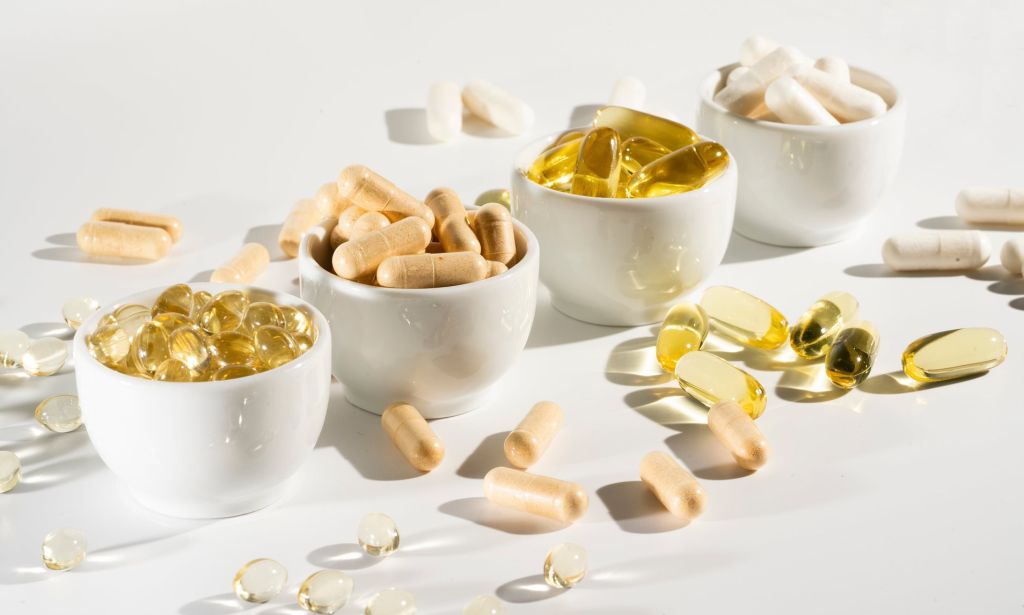
Individuals who consume a specific type of vitamin D supplement might be reducing their body’s natural levels of this crucial nutrient, according to recent studies that have raised concerns.
It is currently believed that approximately one out of every six adults in the UK lacks sufficient vitamin D, withNHS guidelines recommending adding the vitamin during the winter seasonwhen there is reduced sunlight.
Researchers discovered that vitamin D3, which the body generates when exposed to sunlight and is present in animal-derived foods like fatty fish, egg yolks, and liver, is the most effectively absorbed form for increasing total vitamin D levels.
Nevertheless, millions of individuals might be consuming plant-based vitamin D2—the most prevalent type used in fortified foods due to its lower production cost—which researchers discovered can lower vitamin D3 levels in the body.
Low levels of vitamin D3 increase the likelihood of bone conditions like osteoporosis because it aids in calcium absorption by the body.
Dr. Emily Brown, a nutrition specialist at the University of Surrey and the lead researcher of the study, stated: ‘We found that taking vitamin D2 supplements can lower vitamin D3 levels in the body, which is a newly identified effect.’
This research indicates that, taking into account individual factors, vitamin D3 supplements could offer greater advantages for the majority compared to vitamin D2.
A research paper featured in the journal Nutrition Reviews revealed that scientists examined data from randomized controlled trials and discovered that consuming vitamin D2 supplements resulted in lower levels of vitamin D3.

Several studies have observed that individuals who took vitamin D2 experienced a decrease in their vitamin D3 levels, unlike the control group that did not take any form of vitamin D supplement.
Professor Cathie Martin, head of a research group at the John Innes Centre, who also took part in the study, stated: ‘This meta-analysis underscores the need to make plant-derived vitamin D3 available in the UK.’
Also referred to as the “sunshine vitamin,” individuals can obtain vitamin D through exposure to sunlight, along with sources such as fatty fish, red meat, and egg yolks.
However, it is also feasible to enhance levels using supplements, which can be purchased for as low as 2p per tablet at local drugstores.
Although science has traditionally emphasized the importance of vitamin D for maintaining strong bones, healthy teeth, nerves, muscles, and a robust immune system, specialists suggest that not all forms of vitamin D are the same—with vitamin D3 being particularly effective in fighting inflammation within the body.
The present research aligns with earlier studies conducted by Professor Colin Smith from the University of Surrey, which indicated that vitamin D2 and D3 function differently within the body.
The research discovered that vitamin D3 influences the immune system, potentially strengthening the body’s defense against illness and preventing infections.
Professor Colin stated: ‘Maintaining adequate levels of vitamin D3 could potentially aid in preventing viruses and bacteria from establishing themselves in the body.’
Earlier, world-renowned oncologist Dr Justin Stebbing has also proposed thatVitamin D may offer protection against colorectal cancer.—a condition that is inexplicably increasing among younger individuals.
Dr. Stebbing noted that although the vitamin’s specific function in preventing cancer remains uncertain, studies indicate that the nutrient is essential in boosting the immune system and controlling cell development, particularly in the colon.
All of this backs the notion that elevated levels of vitamin D, achieved via vitamin D3 supplements, may aid in lowering the risk of cancer.
Data supports this claim, with certain research indicating that individuals maintaining the advised vitamin D levels—approximately 10 micrograms per day—are much less prone to developing colorectal cancer.
Professor Martin Warren, the chief scientific officer at the Quadram Institute, who took part in the recent research, stated: ‘A lack of vitamin D poses a major public health issue, particularly in the winter season.’
This joint research initiative supports our goal of promoting better health through food innovation, aiming to increase the nutritional value of the food we consume.
Addressing this issue through the most efficient method of vitamin D supplementation or enrichment is crucial for the country’s well-being.
Recent statistics indicate that up to two out of five adults could be lacking in vitamin D during the winter season, when daylight is reduced.
A deficiency in the vitamin may result in skeletal issues, such as rickets, a disorder that leads to bone pain, reduced bone strength, and can cause deformities.
However, individuals should also exercise caution to avoid excessive intake of the nutrient.
Since vitamin D aids in calcium absorption, an excessive amount may lead to a condition called hypercalcaemia, which can harm the kidneys and heart.
Therefore, the NHS advises individuals not to exceed 100 micrograms of vitamin D daily unless instructed otherwise by their physician.
- Could consuming vitamin D provide a remarkable defense against the unexplained increase in bowel cancer cases among young adults?
- Is the somber weather in Britain secretly affecting your well-being and vitality due to a lack of Vitamin D?
- Are the NHS guidelines on vitamin D supplements sufficient during periods of overcast weather?
- Are you unintentionally putting yourself at risk for bone deformities and weak muscles? Discover the easy steps recommended by Dr. Rajan to increase your vitamin D levels safely!
- Is your everyday use of sunscreen unknowingly reducing essential vitamin D, potentially leading to weaker bones and a compromised immune system?




 jasdooit
Leave a comment