
Cyberattacks and acts of sabotage, primarily attributed to Russia and China, have led to unprecedented losses for German companies this year, according to a warning from the national intelligence agency and a business association on Thursday.
The expenses related to these attacks reached 289 billion euros ($342 billion) in 2025, marking an eight percent increase compared to the previous year, according to a company survey on incidents including data theft, industrial espionage, and sabotage.
“More and more, the trail points to Russia and China,” stated the report released by the BfV domestic intelligence agency and the Bitkom association of digital companies.
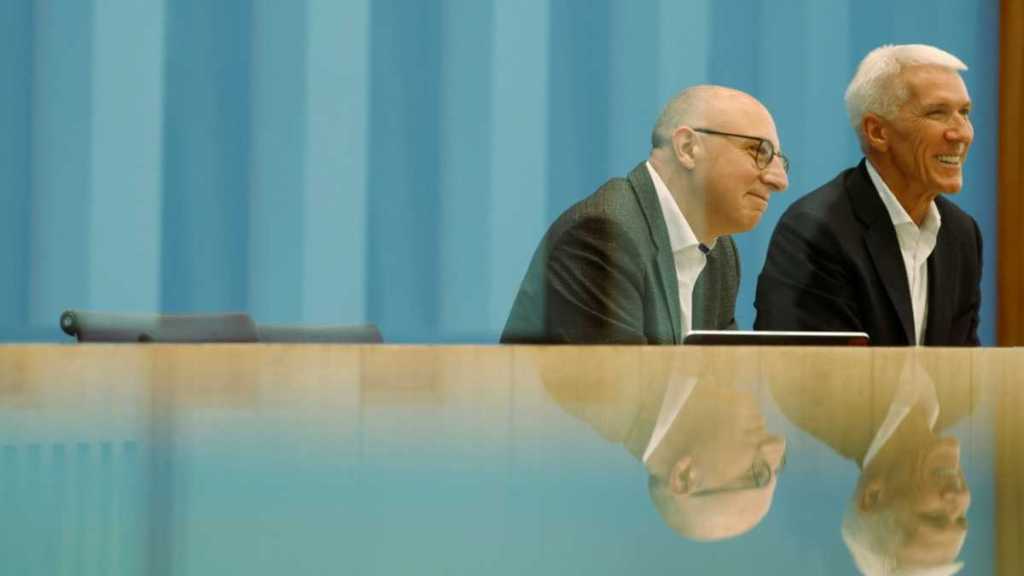
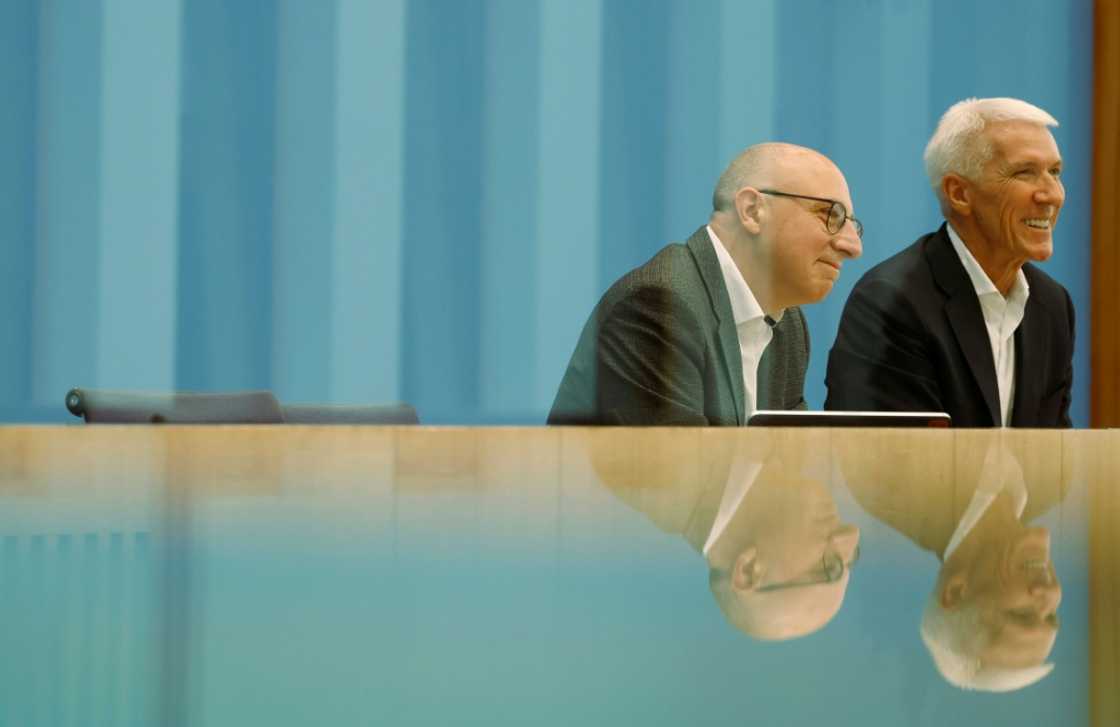
“Foreign intelligence organizations are more frequently focusing on the German economy,” said BfV vice president Sinan Selen at a press briefing.
Selen, who is about to assume leadership of the BfV, stated that adversarial foreign intelligence agencies are “becoming more professional, aggressive, and agile.”
He claimed that Chinese actions are largely “economic espionage” aimed at acquiring technological benefits, whereas Russia’s efforts mainly involve “sabotage” and the dissemination of “false information.”
Selen mentioned that 28 percent of the affected businesses have identified state-sponsored entities as the perpetrators of the attacks, compared to 20 percent in the previous year.
Ralf Wintergerst, president of Bitkom, stated during a discussion with Selen that attacks have experienced a “disproportionate increase relative to Germany’s economic growth,” which has remained stagnant since 2023.
Of the 1,002 companies included in the study, 87 percent reported they had faced such an attack, up from 81 percent in the previous year.
Although 39 percent of companies indicated they were targeted by Russia last year, this figure increased to 46 percent this year, with the same proportion stating they experienced an attack from China.
The most efficient approach continued to be cyberattacks, typically executed using “ransomware,” with the total damage amounting to a new all-time high of 202 billion euros.
Selen provided the example of Kremlin-linked hackers referred to as Laundry Bear or Void Blizzard, who target German political and economic interests.
Bitkom recommended that businesses allocate 20 percent of their IT budgets to protect against such threats.
Selen expressed that he was “very pleased” with Chancellor Friedrich Merz’s administration for “highlighting and enhancing” the role of the intelligence sector in this domain.




 jasdooit
Leave a comment