
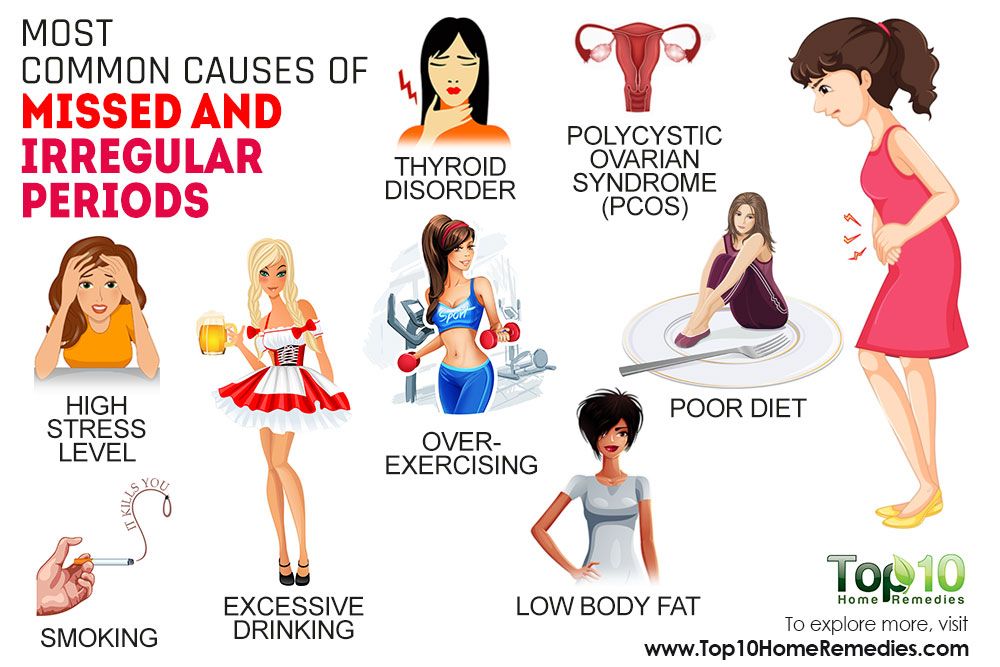
You might have attributed your irregular menstrual cycles to stress and thought that all you needed was a much-needed break. Perhaps you’ve struggled with persistent acne, unexplained weight gain, or unwanted hair growth in certain areas. You wake up feeling exhausted, not the kind of tiredness that a good night’s sleep can cure, but rather a deep fatigue that settles in your bones, clouds your thoughts, and makes even the simplest tasks seem overwhelming.
You glance into the mirror and notice the persistent acne, the receding hairline, and the stubborn weight that won’t decrease, regardless of the various diets you’ve attempted. Your menstrual cycle has either stopped for months or arrives too frequently, erratically, and with discomfort. You question whether this is typical and if others experience similar feelings.
You’ve asked questions, done online research, and possibly seen medical professionals, only to hear “it’s just your hormones” or “nothing serious.” Yet, inside, you feel something is wrong.
What you could be experiencing is Polycystic Ovary Syndrome, a hormonal condition that impacts 1 in 10 women worldwide and countless others in Nigeria. Although it’s common, PCOS is still one of the most misinterpreted and rarely diagnosed issues. It’s a hidden crisis, and you might be among its numerous victims.
Polycystic Ovary Syndrome (PCOS) goes beyond irregular menstrual cycles. It is a multifaceted condition that impacts the functioning of your ovaries. For those dealing with PCOS, it’s more than just missing periods. It involves the emotional burden of concerns about infertility, the irritation of struggling to lose weight, and the worry of not understanding what’s occurring within your body.
In Nigeria, obtaining a PCOS diagnosis can be a prolonged and isolating experience due to societal stigmas related to menstruation and fertility. Numerous women endure the condition without support.
You might have been raised in a household where menstruation was never talked about and reproductive health was surrounded by embarrassment. You could have been made to believe that your value depends on your capacity to have children, and now, with PCOS affecting your fertility, you may feel like you’re not meeting a basic expectation. However, you’re not failing—you’re battling.
If you suffer from PCOS, you may increase your likelihood of becoming pregnant through medication or, in certain instances, surgical intervention.
In vitro fertilization can also help women with PCOS achieve pregnancy. Although PCOS can impact fertility and pregnancy, with proper care and treatment, getting pregnant and having a healthy pregnancy is entirely feasible.
It is important to monitor your menstrual cycle. In a regular period, the endometrium is influenced by hormones like estrogen, leading to the thickening of the lining. If ovulation doesn’t happen, which is common in PCOS, the lining isn’t expelled and is subjected to significantly higher levels of estrogen, resulting in an abnormally thick endometrium. This can elevate the risk of cancer development.
The typical menstrual cycle lasts from 21 to 38 days. Although it’s common to experience some variation in cycle length, it’s advisable to consult your doctor if your periods frequently fall outside this range.
It’s simple to forget your cycle, so keeping track of your period dates can offer useful insights. Maintain a log of both the initial and final day of every period, and record the interval between cycles, from the beginning of one period to the start of the next. Additionally, monitor the intensity of your flow and symptoms like acne, mood changes, cramps, breast sensitivity, bloating, diarrhea, or vomiting.
If you have been diagnosed with PCOS, making lifestyle changes, such as keeping a healthy weight, can be one of the ways to increase your likelihood of getting pregnant and having a healthy baby. Once diagnosed, you may have been advised to change your diet, increase physical activity, and possibly take medicine. It might not be simple, but it is achievable, and you are not alone on this path.
You might feel overwhelmed and ignored, but your experience is significant. Your symptoms are genuine, and your voice, when combined with those of others, can contribute to ending the silence surrounding PCOS in Nigeria. Speak out, ask questions, and seek answers, as the more you understand, the greater your ability to take control of your health.
Polycystic Ovary Syndrome (PCOS) may seem daunting due to the absence of a single definitive test for its diagnosis. Physicians typically use a mix of medical history, blood work, and pelvic ultrasounds. Availability of these services might be restricted, particularly if you reside in areas far from large cities or can’t afford specialized treatment, but there is still optimism.
In various parts of Nigeria, initiatives are being implemented to increase awareness, offer free check-ups, and inform women about PCOS and overall reproductive health. Programs are being developed to overcome the stigma and motivate more women to get assistance.
As you handle your symptoms by making lifestyle adjustments, changing your diet, increasing physical activity, and using medication, don’t lose hope. There may be days when you feel like giving up, but each small effort you make is a success. Getting your body in the best health possible before attempting to conceive not only improves your chances of becoming pregnant but also provides your child with the best beginning in life.
Provided by SyndiGate Media Inc. (Syndigate.info).




 jasdooit
Leave a comment