
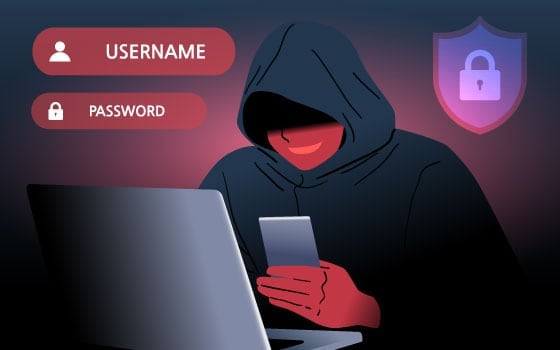
With the anticipated rise in travelers during the Chuseok holiday, alerts have been issued regarding the increasing danger of smartphone hacking via public USB charging stations found in airports, hotels, and other areas.
A global security company, NordVPN, issued a warning on the 23rd, stating that “hackers could focus on smartphones holding confidential details like passports, hotel bookings, and airline frequent flyer accounts,” advising people to be careful. Real-world investigations have verified instances where travel-related information, including scanned passports, was sold for thousands of dollars on the dark web.
Significantly, the “choicejacking” method, a more advanced version of “juice jacking,” is gaining recognition. Unlike conventional juice jacking, which used chargers to install harmful software, choicejacking can initiate data transfer automatically without the user’s approval, stealing images, files, contact information, and more in only 133 milliseconds. Specialists note that multiple attack methods, such as keystroke injection, buffer overflow, and misuse of protocols, render detection nearly impossible.
Recommended preventive actions involve keeping smartphone operating systems and applications updated with the latest security patches. It is also advised to limit the use of public charging stations, opt for personal chargers or portable power banks, and enable charging-only mode. NordVPN further highlighted that theft while traveling is a serious issue, underlining the importance of quickly performing remote lock and reset, changing account passwords, suspending telecommunications services, and filing a police report within 48 hours if such situations arise.
Hwang Seong-ho, the leader of NordVPN’s Korean division, mentioned, “Choicejacking represents a situation where dangers associated with public charging have advanced to a new stage,” and he added, “Public USB ports should not be considered secure, and being aware and ready for potential hacking and theft is the most important form of protection.”


 jasdooit
Leave a comment