
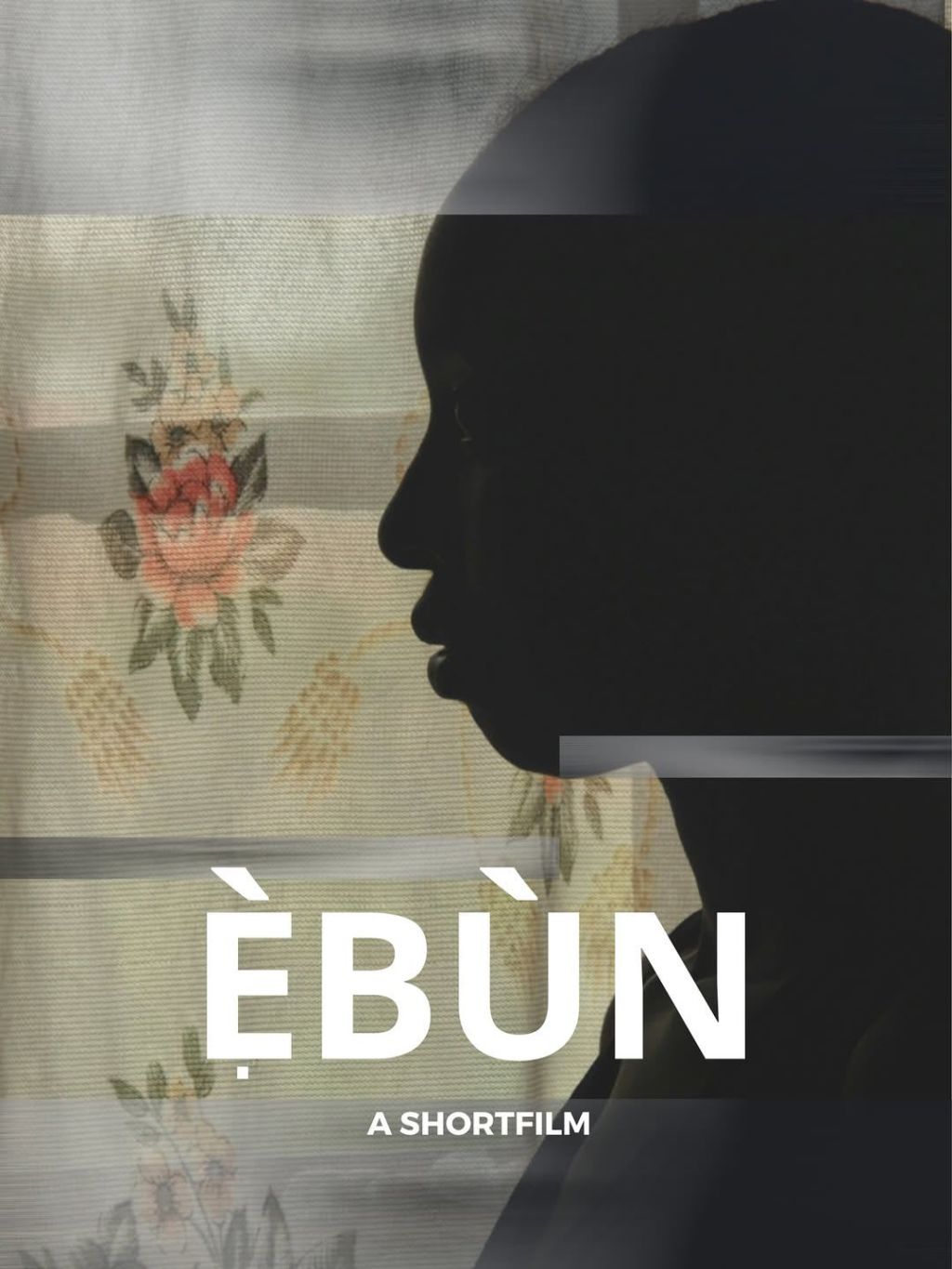
The new short film, currently in the final stages of production, traces the experiences of Sadé, a young deaf girl living in Lagos. By exploring silence, sound, and a sense of community, the movie presents deafness not as a constraint but as a unique strength.
At the core of Ebun lie two innovative spirits:Lucy Oigbochie “Abena”, the producer known for impactful narratives, andJohn Ekeh, the writer-director who has established a career in teaching, guiding, and creating narratives rooted in closeness and perseverance.
To mark Deaf Awareness Week,Pulse Nigeria sat down with each of them to discuss partnership, portrayal, and the difficulties involved in creating Ebun.
RELEVANT:
The emergence of a collaborative artistic relationship
Abena initially encountered John as her cinematography instructor at EbonyLife Creative Academy. What began as a classroom relationship soon evolved into a bond of mutual admiration.
He’s extremely reliable,” Abena remembers. “I knew he was someone I could depend on for a project. I could rest easy knowing the work would be completed.
For John, it was Abena’s strong desire to learn that made an impression. “She already had experience in production,” he mentions. “But she wanted to gain a deep understanding of cinematography. I appreciate those who want to explore filmmaking completely. That’s when I realized we could collaborate.”
That flame ultimately resulted in Ebun.
READ THIS:
Why “Ebun”?
Although many believe the title refers to a person’s name, John explains that Ebun translates to “gift” in Yoruba.
Sadé, the main character, has had hearing loss since birth. Silence became her usual way of life,” he says. “At a certain point, she understands that this isn’t something to correct. This is who I am. This is my gift.
The movie, therefore, focuses on presenting disability as a form of power, marking a significant shift from Nollywood’s past tendency to portray disabilities as objects of ridicule or minor plot elements.
ALSO READ:
Grounding the narrative in genuine elements
Authenticity was a must. John started by going to a school for the deaf in Ikorodu, Lagos, where he met interpreters who assisted him in translating dialogue into Nigerian Sign Language. However, he soon realized the project required more.
Enter Esther, a child of deaf parents that Abena found onTikTok“She played a crucial role,” Abena says. “She trained our actors, linked us with the community, and even sent Mide to assist us on set.”
Another difficulty was the casting process. The initial actress, who was proficient in sign language, could not participate due to several changes in the schedule.
Eventually, newcomer Annabel was chosen, and with Esther’s thorough training, she performed exceptionally well. “We didn’t want viewers, especially those who are deaf, to see someone ‘struggling’ with the signing,” John emphasizes. “We wanted them to feel convinced.”
READ THIS:
Hopes for the film
For Abena, the focus is on being seen. “Before Ebun, I wasn’t aware there was a church for the Deaf in Lagos,” she mentions. “I simply want this film to remind people that Deaf individuals are present, and that sign language is indeed a real language.”
Nollywood’s disability problem
Both directors believe that Nollywood still has a lot of progress to make. Abena remembers trying to find Nigerian films that focus on deafness. “There weren’t any, except for one where deafness was used as a joke,” she mentions. “Usually, disabilities are portrayed as funny or used to show poverty. It’s rare for them to educate or delve deeper into the subject.”
John repeats this, stating, “Our celebrations occasionally bring attention to topics such as rape or domestic abuse,” he notes. “However, disabilities? Almost never. On the large screen? Not at all.”
They wish that Ebun brings about a change, proving that narratives involving disability are not limited but widely relevant.
RELEVANT:
Lessons Learned
The initiative has influenced the filmmakers on a personal level.
For me, I’ve grown more receptive to discussions about disability,” Abena says. “In the past, I used to think, ‘Why should I care?’ But now I understand that it’s a concern for everyone.
John states, “Disability is not always visible within the deaf community. You may not realize someone is Deaf until they react. This oversight can be harmful. Society should design itself to accommodate them, not just with ramps for wheelchairs but also with systems that support the Deaf.”
READ THIS:
What happens next?
Although Ebun is still in the process of being finalized, both directors are already looking forward. John aspires to move towards full-length films and larger partnerships.
Abena, always a forward-thinker, is focused on narratives that address mental health, identity, and pressing societal concerns. This collaboration is just starting out.
RECOMMENDED:

 jasdooit
Leave a comment