
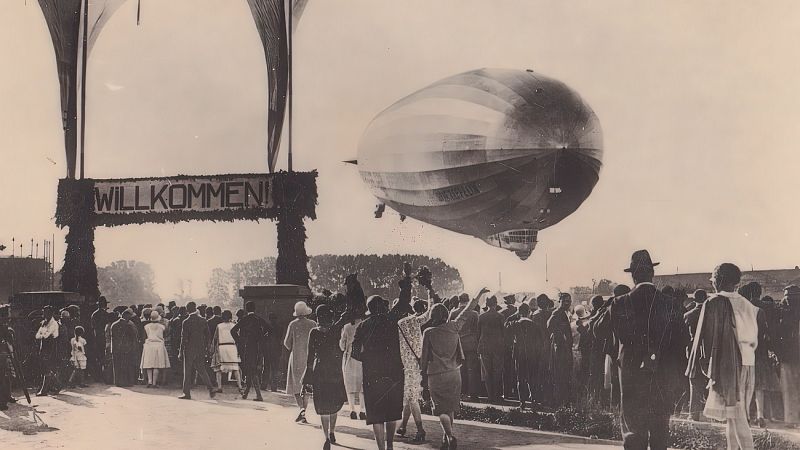
On 15 August 1929, Spanish physician Jerónimo Megías realized his ambition by beginning the first global journey aboard the Graf Zeppelin.
This was not the first instance in which Megías, the personal doctor of King Alfonso XIII, had traveled aboard the renowned aircraft. In May of that year, he secured a spot on a journey that would carry him along with 17 other passengers from Friedrichshafen (Germany) to Lakehurst (New Jersey, United States).
On that particular event, the airship was forced to return because of an engine malfunction while it was flying above the Spanish Mediterranean coastline.
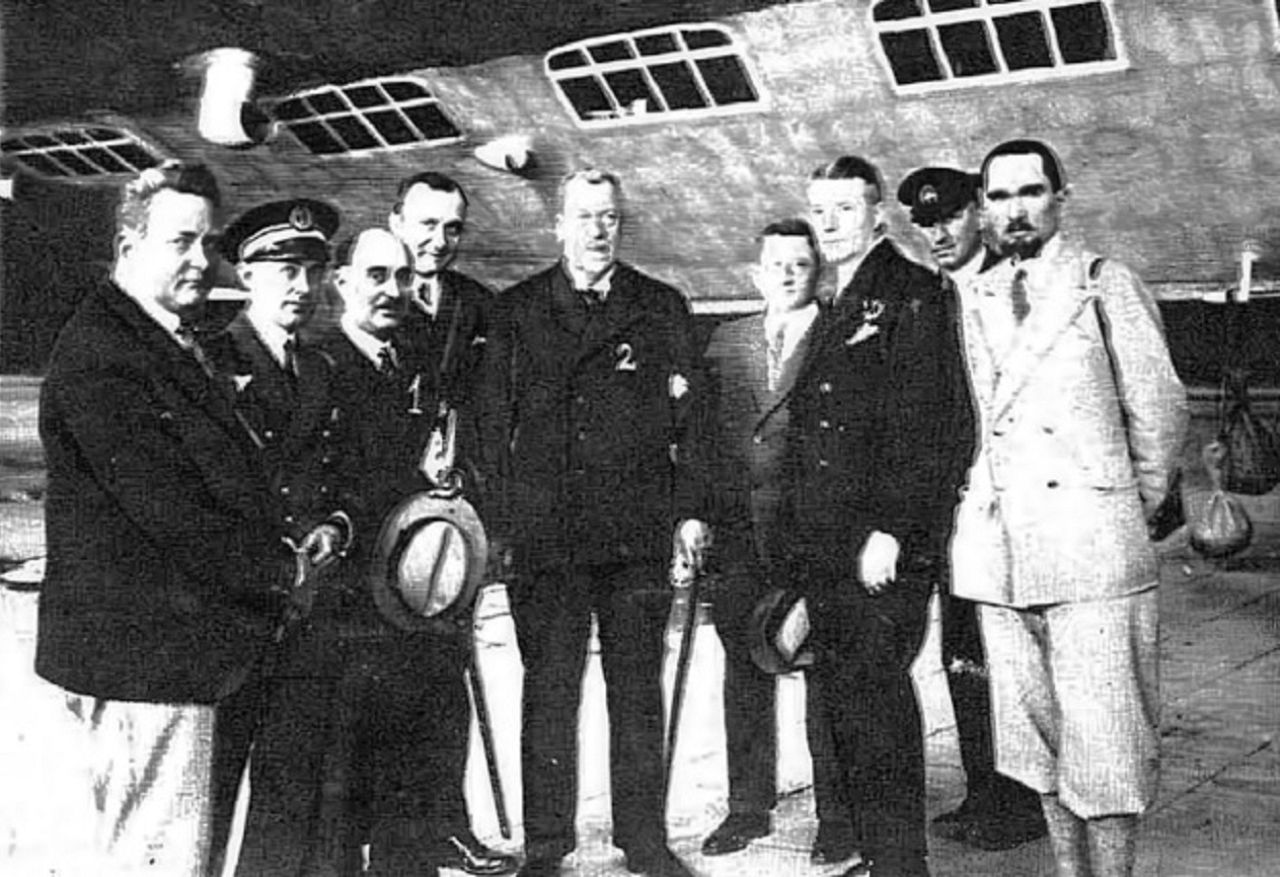
This time, nevertheless, the challenge was significantly more ambitious: it would mark the first round-the-world journey by a passenger airship.
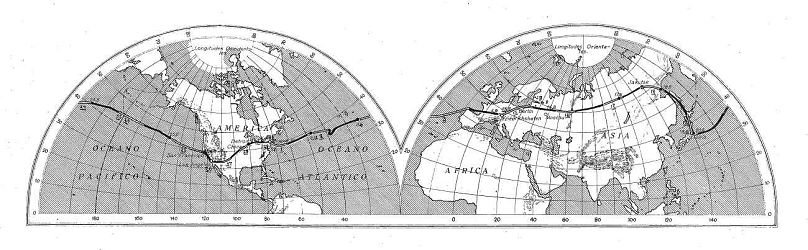
The journey proved successful: the LZ 127 Graf Zeppelin took off from Friedrichshafen heading to Tokyo, making a layover after flying over the Soviet Union. It then crossed the Pacific Ocean to Los Angeles for another stopover and flew across the United States to Lakehurst, located on the eastern coast.
Following the crossing of the Atlantic Ocean, the airship made a triumphant return to Germany on 4 September 1929, after a trip that took 20 days, 4 hours, and 14 minutes.
Currently, cartographer and science writer Alejandro Polanco has re-examined the historical event in an illustrated publication titled: ‘The first flight around the world in the Graf Zeppelin’.
A book to revive the history of airships
The project was funded through a crowdfunding campaign.campaign on Kickstarter. The outcome is a book, available in both digital and physical formats, that recounts the tale of the Graf Zeppelin using a vast assortment of restored photographs from that era, along with the account of Jerónimo Megías, who wrotea bookregarding his time during the global journey
“The project involved scanning the small photos at a high resolution, translating the technical text of the album from German to English, and modifying it to produce a high-quality hardcover book, including excerpts from Megías’ travel diary,” Polanco told Euronews Culture.
The newly restored album features over 200 images of these airships, spanning from their origins in the late 1800s up to the 1930s.

“In the 1920s, miniature images of airships were distributed in Germany within cigarette packages, allowing individuals to assemble a collection,” notes Polanco, who obtained the album from a private collector.
It has been a hundred years, yet the images remain in good condition because they are copies printed on silver bromide paper. The album included a description for each small picture.
Throughout the world, narrated from within
The original images are compact, yet they contain a high level of detail, depicting various zeppelins in flight, perspectives taken from them, and elements of their interiors. Viewers back then could utilize small devices equipped with lenses to magnify the scenes, creating an impression of three-dimensional vision.
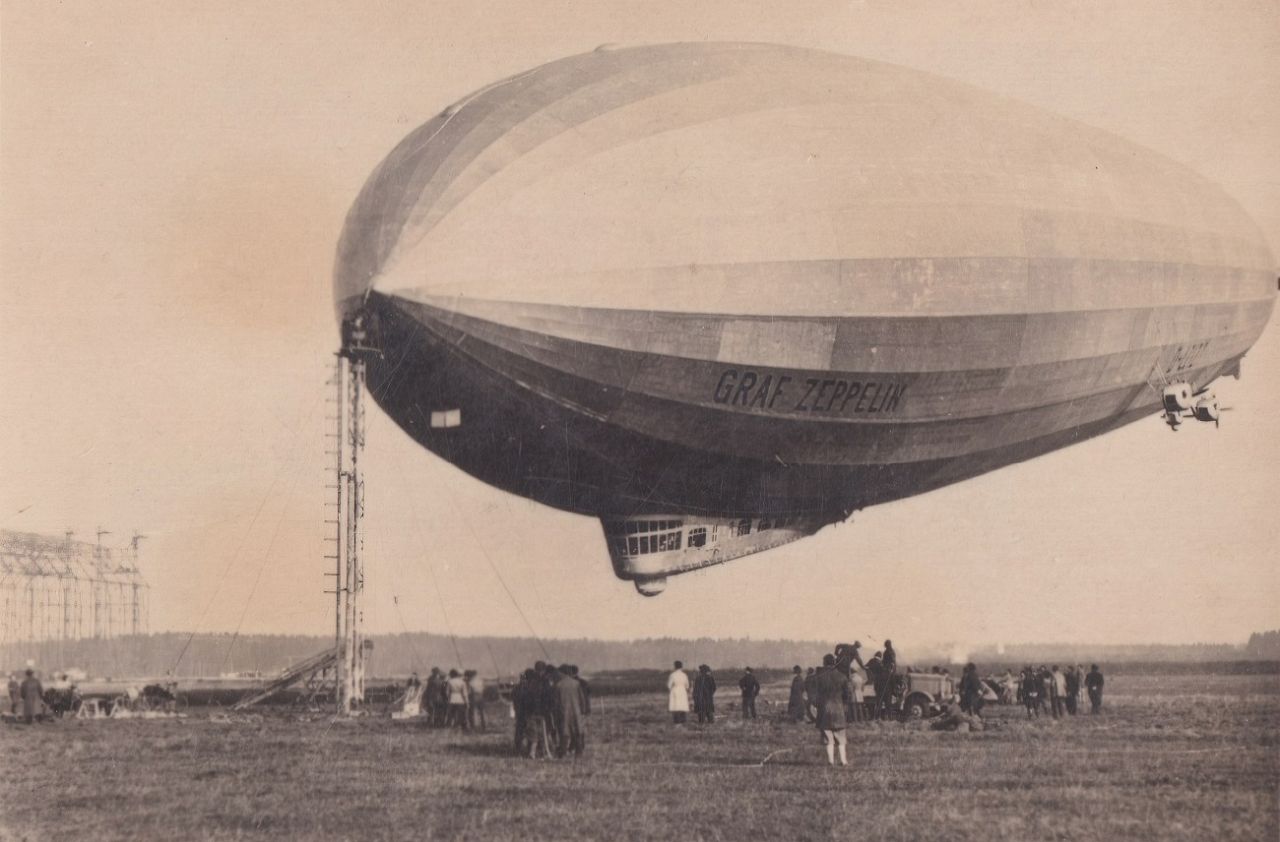
It was the simplest method to approach an experience that was available only to a select few: Dr. Megías had to spend 7,000 dollars to obtain his global ticket.
“I didn’t avoid traveling to London, and I didn’t cut corners on sending telegrams to Berlin, Hamburg, and Friedrichshafen. The competition was strong, and the struggle among applicants was intense,” Megías mentioned in his memoirs about the journey.
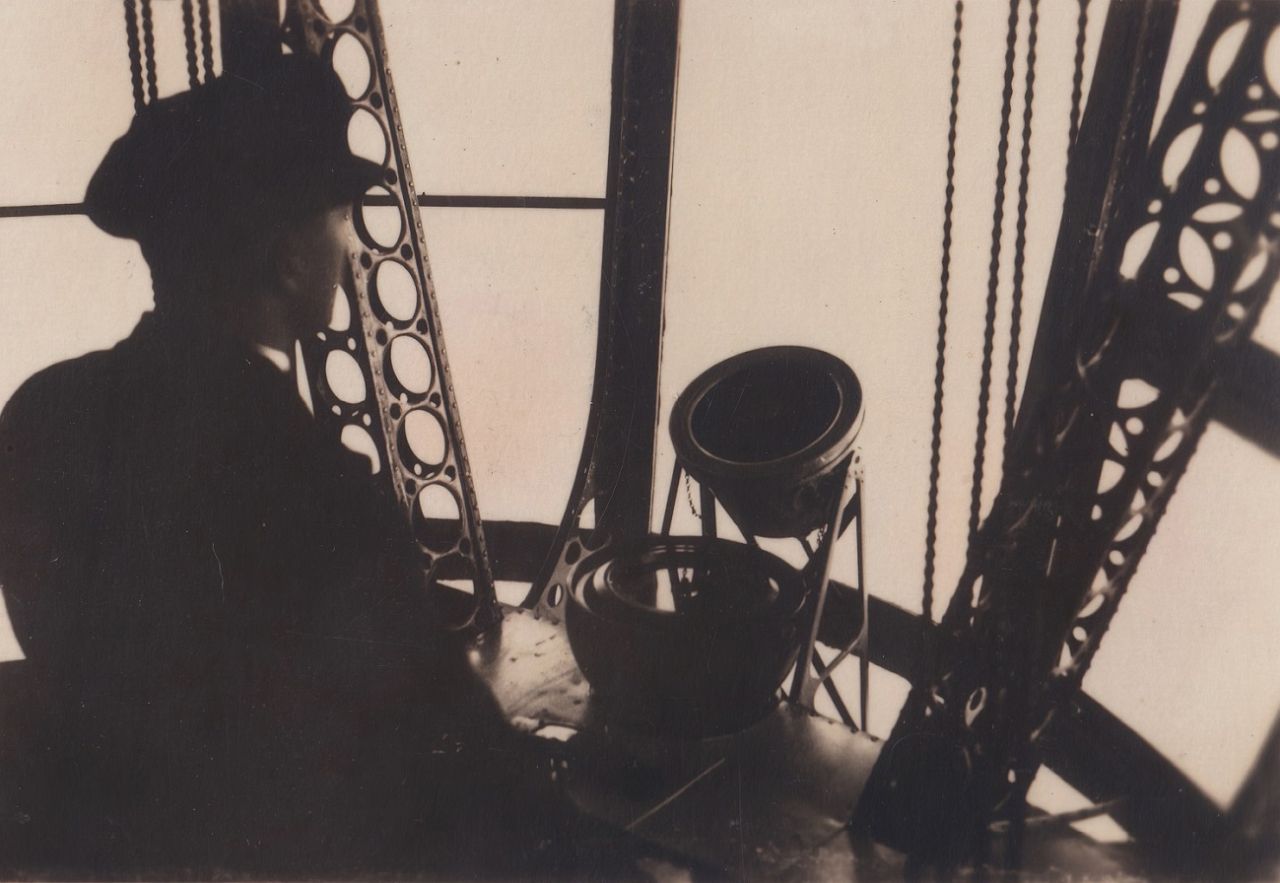
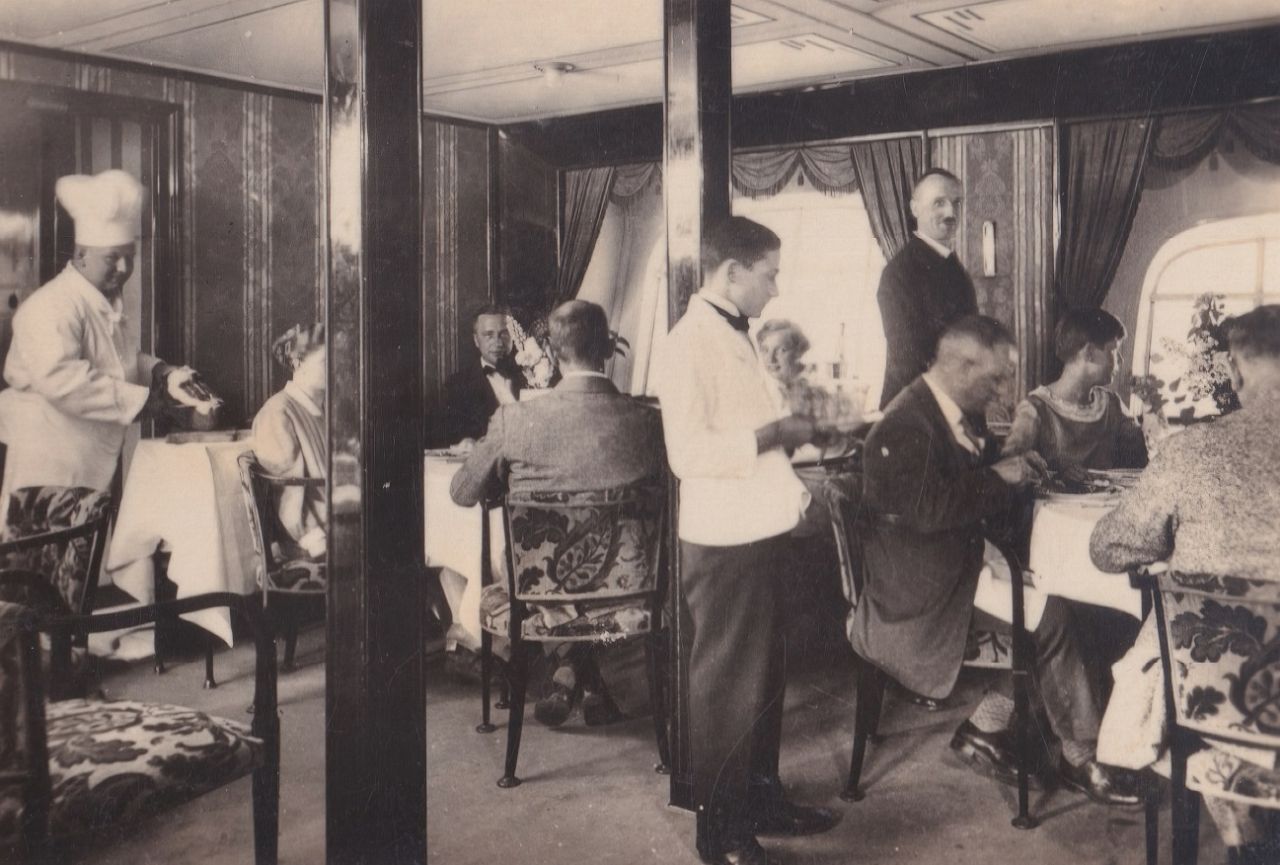
Megías likened the journey aboard the Graf Zeppelin to staying in a high-end hotel. The airship provided all essential comforts: a kitchen staffed by a chef, a communication room enabling passengers to transmit and receive radio telegrams, and a lounge that functioned as a dining area, sitting room, and workspace.
The cabins were equipped with electrical lighting and could hold two travelers. By day, the beds could be folded down to serve as a sofa. There were also collapsible tables near the windows, a few folding chairs, and storage compartments with curtains for keeping personal items.

There was significant public anticipation surrounding the global flight. American media mogul William Randolph Hearst was aware of this and funded the journey in exchange for his news platforms to have exclusive coverage of it.
Among the 20 passengers aboard the plane was the British journalist Lady Hay Drummond-Hay, dispatched by Hearst to the zeppelin, who chronicled the journey and became the first woman to circumnavigate the globe by air.
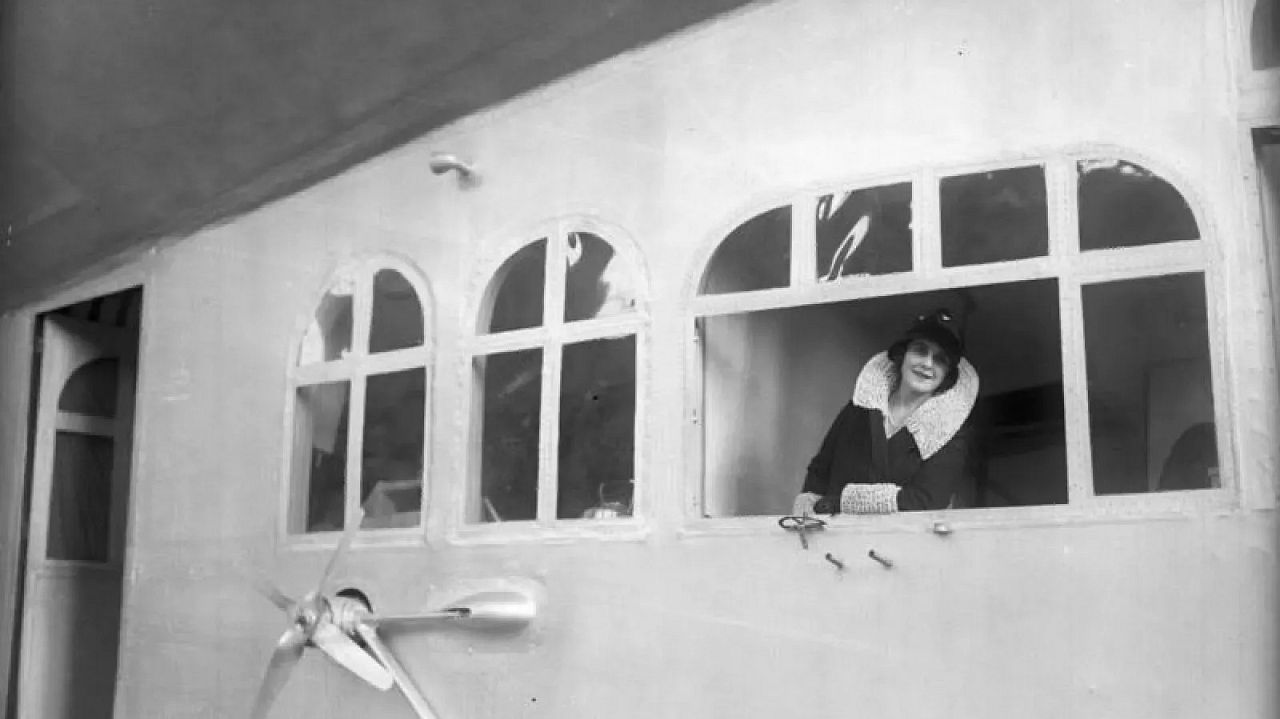
The symbol of an era
The author’s publication not only outlines the remarkable journey of the LZ 127, but also explores the beginnings of airships, their historical background, and the innovations they involved.
It features brief profiles of important individuals, including the company’s founder, Ferdinand von Zeppelin, and engineer Hugo Eckener, who piloted the airship during its most famous journeys.
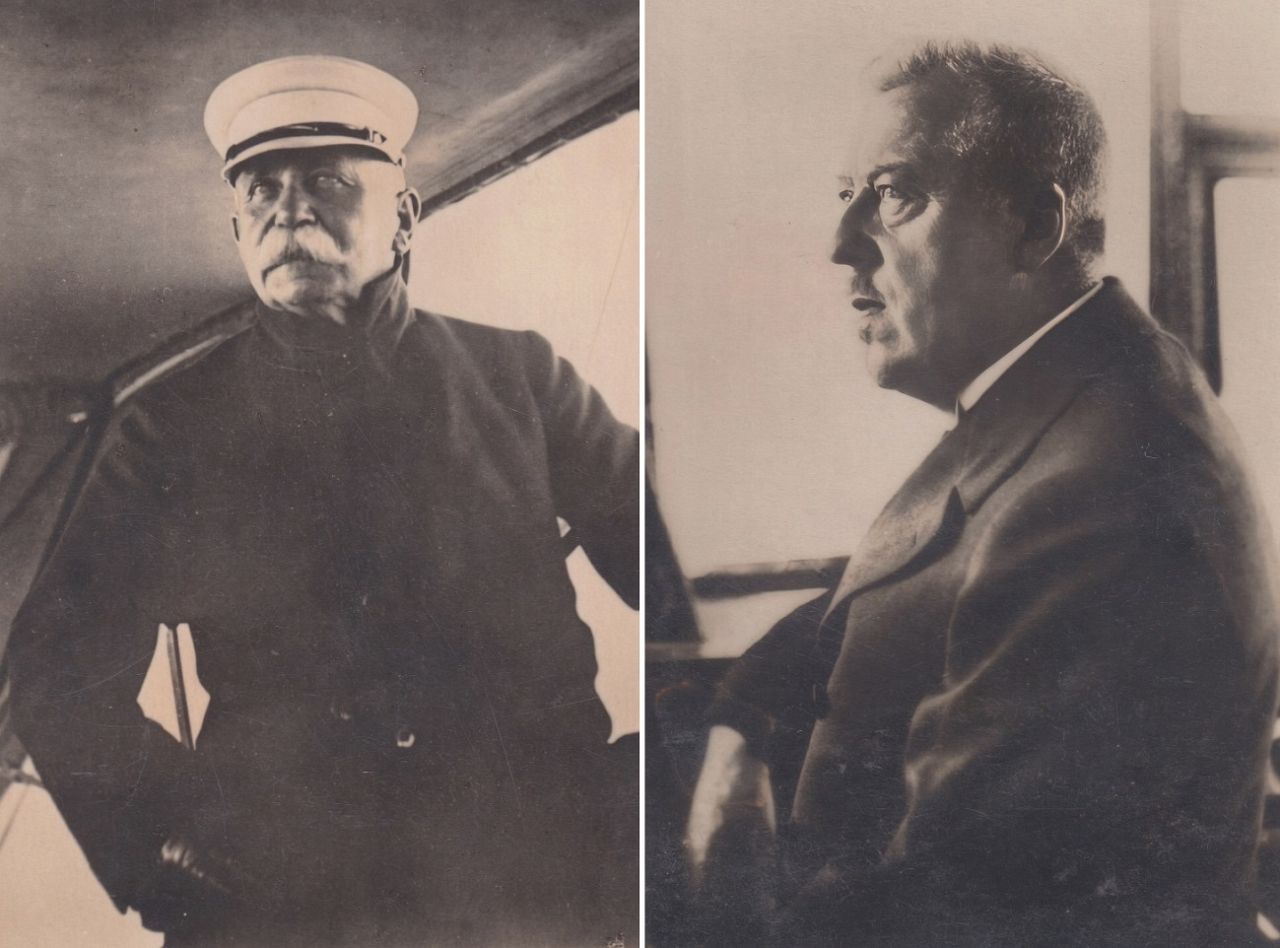
“The LZ 127 represented the Weimar Republic, prior to Germany being taken over by the Nazis in 1933,” Polanco states.
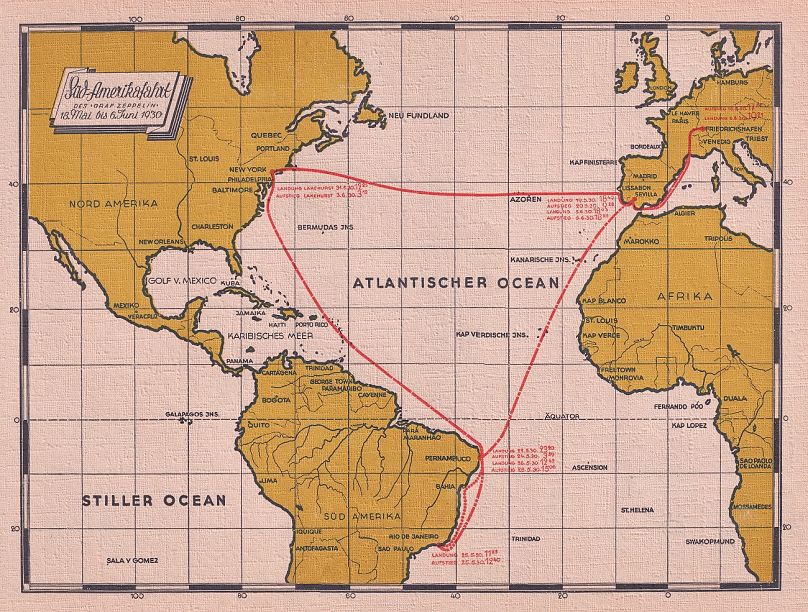
Besides its well-known global voyage, the Graf Zeppelin completed hundreds of flights, including a consistent route over the Atlantic to South America, transporting passengers, freight, and mail with no major incidents until it was taken out of service in 1937.
It even took a ‘triangular’ journey between Europe, South America, and the United States in 1930.
The unfortunate incident involving the LZ 129 Hindenburg, a zeppelin that caught fire in New Jersey on May 6, 1937, signified the conclusion of this type of aircraft’s peak era. Additionally, the swift progress of airplanes contributed to their decrease in popularity.
“Currently, new airships operate using non-flammable helium. However, I don’t believe helium would have saved the old zeppelins; it was simply that the Hindenburg disaster accelerated an end that had already been signaled by the arrival of better aircraft,” states Polanco in the book that honors these titans of the sky.




 jasdooit
Leave a comment