
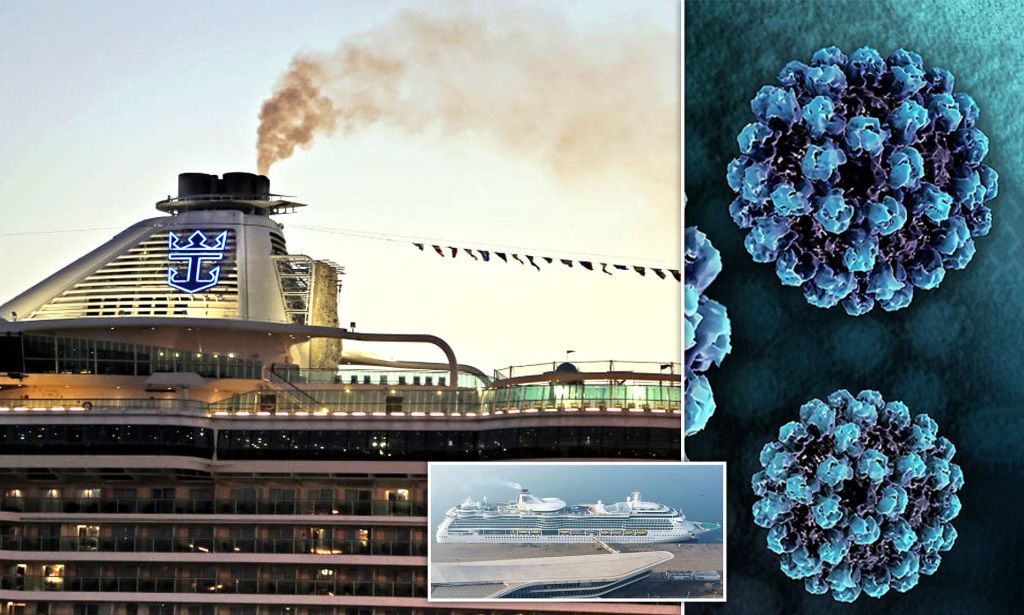
An outbreak of highly-contagious norovirus has made more than 70 people sick on a Royal Caribbean International cruise ship.
At least 71 passengers and one staff member were reported to have contracted the virus, which leads to diarrhea and vomiting, along with other symptoms, as stated by the Centers for Disease Control and Prevention.
The examination of the sick passengers’ stool samples verified that they had been infected with norovirus. A total of 1,874 passengers and 883 crew members were on board the Royal Caribbean Serenade of the Seas ship during the outbreak.
That indicates slightly under four percent of travelers have contracted the infection. TheCDCclassifies a cruise ship outbreak as at least three percent of a vessel with over 100 passengers becoming sick.
The Cruise of the Seas set sail from San Diego on September 19. It included stops inMexico, Costa Rica, Panama, and Colombia, and is set to arrive in Miami on October 2.
The incident was notified to the CDC on September 28 via its ship hygiene program, which tracks cases of gastrointestinal illness on cruise ships heading to US ports.
Royal Caribbean is isolating ill passengers, gathering stool samples for analysis, and increasing cleaning efforts as per the CDC.
Royal Caribbean issued a statement stating: ‘The well-being of our passengers, staff, and the areas we visit is our main concern. To ensure a setting that promotes the best standards of health and safety aboard our vessels, we have adopted thorough cleaning protocols, most of which go beyond standard public health recommendations.’

This year, the CDC has documented 19 instances of gastrointestinal illness outbreaks on cruise ships, with 14 attributed to norovirus. The virus was responsible for 15 of 18 outbreaks on cruise ships in the previous year, and 13 of 14 in the year before that.
The 13 outbreaks of norovirus on cruiseships in 2023 was the highest number seen in more than 10 years before that, and since then the cases have only gone up. This seems to indicate an upward trend, but experts are not sure.
‘Although the number of recent cruise ship outbreaks has increased compared to previous years before the pandemic, it remains unclear whether this indicates a new pattern,’ the CDC stated.USA Today.
Nevertheless, CDC data indicate that a new prevalent strain is currently linked to reported norovirus outbreaks on land. Ships usually mirror the trends seen in land-based outbreaks, which are more frequent this norovirus season.
The present norovirus incident occurred just two months following a comparable outbreak on a different Royal Carribean cruise in July.
In that case, 140 passengers became unwell aboard the Navigator of the Seas, suffering from vomiting, diarrhea, and abdominal pain.
In February, yet another Royal Carribean cruise ship experienced a norovirus outbreak which ultimately 160 passengers on the Radiance of the Seas were infected. Several other cruise ships have also reported outbreaks this year.
Initial reviews suggest that the outbreaks could be partially attributed to excessive use of hand sanitizer on cruise ships. The CDC states that soap and water are more effective in fighting the virus.
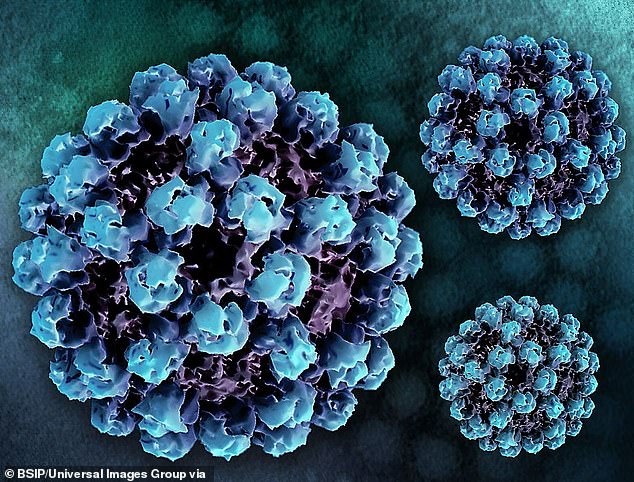
Norovirus is highly infectious and can spread quickly, causing illness in anyone. The virus spreads most readily in enclosed areas such as cruise ships, but it can also be found in locations like schools, nursing homes, and hospitals.
The virus can cause nausea, diarrhea, vomiting, and abdominal pain or cramps, along with less frequent symptoms like muscle pains, headaches, and a mild fever.
Symptoms generally appear between 12 and 48 hours following infection and usually persist for one to three days, although individuals may still transmit the virus even after their symptoms have disappeared.
A minimal quantity of norovirus particles is sufficient to cause illness, and the infection can occur just by coming into contact with a surface that an infected individual has touched.
Norovirus can also be transmitted by sharing eating tools, consuming or drinking contaminated food or drinks, and coming into direct contact with an infected individual.
The CDC reports that, on average, the virus causes illness in 19 million to 21 million individuals in the United States annually. While most people recover, approximately 900 deaths occur each year due to the condition, typically affecting those aged 65 and older.
There is no particular treatment or remedy for norovirus, although the CDC advises consuming ample water or beverages rich in electrolytes. It suggests steering clear of caffeine or alcohol, as these can lead to dehydration.
The most effective methods to prevent and reduce the transmission of norovirus include frequently washing your hands, staying isolated when experiencing symptoms, and keeping away from individuals who are ill.
The CDC also advises frequently cleaning surfaces and laundering clothes that could be infected during an outbreak.
- What makes norovirus outbreaks on cruise ships turn a vacation into a terrifying experience at sea?
- Why are cruise ships turning into a center for norovirus outbreaks, spreading quickly and aggressively? Learn about the concerning new CDC research!
- Norovirus crisis: Why are passengers and staff on cruise ships getting ill while at sea?
- Could the feared norovirus, known for making trips into living horrors, hit cruise ships unexpectedly once more?
- Known as the “cruise ship virus,” should vacationers avoid traveling by sea on their next ocean trip?




 jasdooit
Leave a comment