
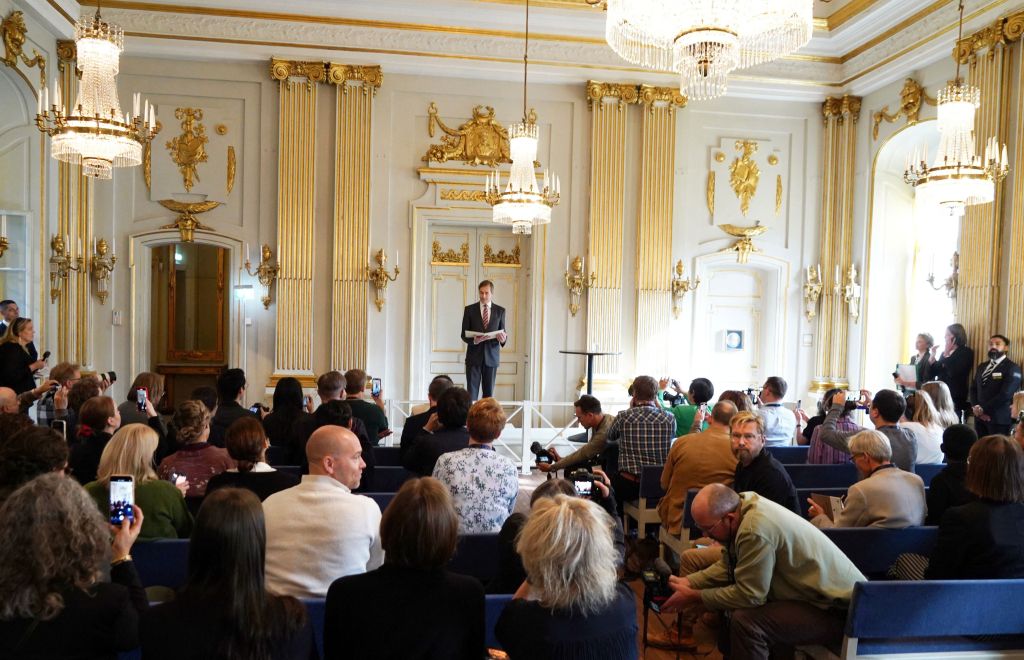
With the arrival of the Nobel Prize announcement season, Clarivate, an academic information firm known for its precise predictions in the science field, has, for the first time, added a scientist from mainland China to its list of potential candidates. Clarivate has shown a high level of accuracy, as 73 out of over 400 scientists it predicted from 2002 up to last year ultimately won the Nobel Prize.
The Swedish Nobel Committee will reveal the recipients in the scientific disciplines beginning with the Physiology or Medicine Prize on the 6th, followed by the Physics Prize on the 7th and the Chemistry Prize on the 8th. It was reported that Zhang Tao, an academician (affiliated with the Chinese Academy of Sciences and connected to the State Council of the People’s Republic of China), was listed among the 22 ‘Citation Laureates’ chosen by Clarivate Analytics on the 25th of last month in the chemistry category. This recognition is considered to symbolically reflect the rising influence of Chinese science and technology.
Clarivate has been identifying potential Nobel Prize contenders in the field of chemistry each year since 2002, focusing on researchers within the top 0.02% for citation impact. This year, Zhang Tao, known for introducing the groundbreaking idea of ‘single-atom catalysts,’ and Jean-Marie Tarascon, a professor at Collège de France and a prominent expert in advanced secondary batteries like sodium batteries, were recognized as top contenders.
Significantly, Zhang Tao’s inclusion represents the first time a researcher affiliated with a mainland Chinese institution has appeared on this list, indicating a major change in the Nobel Prize candidate scene, which has traditionally been led by researchers from the United States and Europe.
Furthermore, Clifford Brangwynne, a Princeton University professor known for his work on biomolecular condensates inside cells; Anthony Hyman, the head of the Max Planck Institute of Molecular Cell Biology and Genetics; and Michael Logen, a professor at the University of Texas, were also listed as top contenders for the Chemistry Prize.
Within the Physiology or Medicine category, Andrea Ablasser, a professor at the Swiss Federal Institute of Technology Lausanne, who uncovered mechanisms of innate immune signaling; Glen Barber, a professor at Ohio State University; Zhengjian Chen, a professor at the University of Texas Southwestern Medical Center; John Dick, a professor at the University of Toronto, who discovered leukemia stem cells; and Kenji Kangawa and Masayasu Kojima, researchers at the National Cerebral and Cardiovascular Center and Kurume University respectively, who discovered the hunger-inducing hormone ghrelin, are also receiving increased recognition, raising hopes for major breakthroughs in fundamental medical research.
Within the Physics category, Ingrid Daubechies, a professor at Duke University known for her contributions to wavelet theory—a mathematical transformation method; Stéphane Mallat, a professor at Collège de France; Yves Meyer, a professor at École Normale Supérieure Paris-Saclay; and David DiVincenzo and Daniel Loss, professors at RWTH Aachen University in Germany and the University of Basel in Switzerland respectively, who developed models for utilizing quantum dot electron spins as qubits—are some of the key researchers in the field of quantum computing listed here.
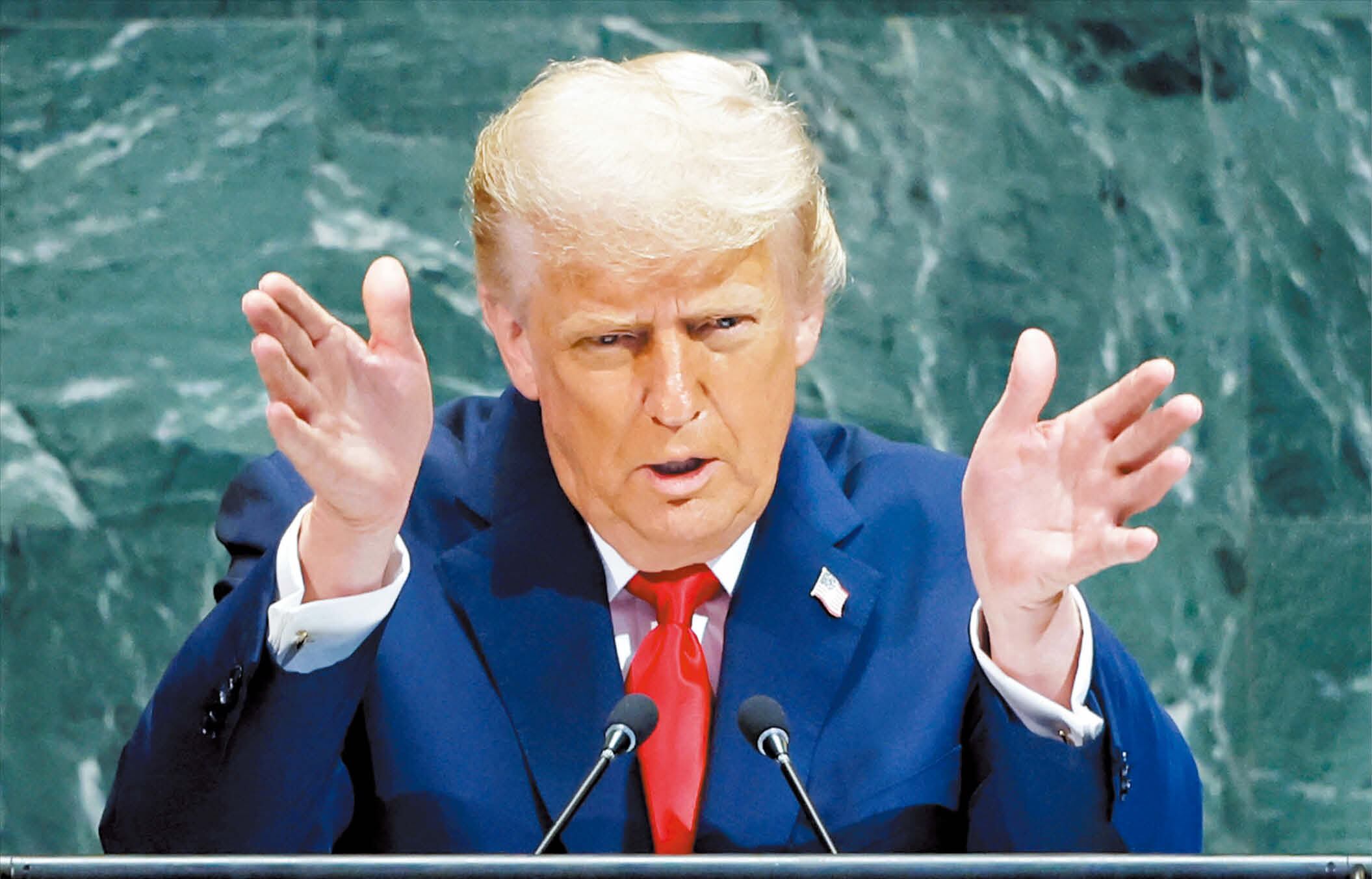
In the meantime, the Nobel Peace Prize, given independently from the scientific honors to individuals who have made significant contributions to global peace, will be revealed on the 10th. Global focus is on U.S. President Donald Trump’s ongoing wish for this recognition.
President Trump has openly stated his qualification for the Nobel Peace Prize, highlighting his involvement as a mediator in various global disputes, and has actually garnered repeated endorsements from certain international officials. During his address at the United Nations last month, Trump expressed disappointment that “I am doing what the UN should be doing,” promoting the idea of the UN’s irrelevance.
Some analysts point to the Nobel Committee members’ critical opinions about Trump and the institution’s unfavorable assessments as reasons to believe he has a slim chance of winning. Nevertheless, since the Nobel Peace Prize has frequently surprised people by going to unexpected recipients to reflect the spirit of the era, the possibility of President Trump receiving the honor is anticipated to be the most discussed issue during this year’s Nobel Prize season.
 jasdooit
Leave a comment