

A GNA Special Report by Hannah Awadzi
Dodowa (GAR), Oct. 7, GNA – Ms. Daniella Korletey began her role as a community psychiatric nurse in the Shai Osudoku District, found satisfaction in her work within the community and in visiting homes to monitor her patients, but after seven years, she sought a more significant challenge.
When the University of Ghana announced a degree program in Occupational Therapy, she applied promptly.
Daniella mentioned that she loved every aspect of her new field of study and was excited to apply her efforts practically.
She also decided to fulfill her national service in the area.
Her becoming a licensed occupational therapist seemed like a long-held dream realized.
Although occupational therapy was unfamiliar to the community back then, she was ready to present it.
She will accompany Community Health Nurses on home visits; she will also visit Child Welfare Clinics and speak with mothers.
She began teaching new mothers about the developmental milestones in their children’s growth and showed them how to recognize any potential delays.
Daniella took an additional step; she will also conduct home visits and has set aside a day to collaborate with the physiotherapists at the Shai Osudoku clinic.
She mentioned that she saw herself as part of the community and struggled to perform effectively in a hospital environment; her supervisor at that time supported her and provided her with an opportunity to develop her work.
As time passed, she earned the confidence of the mothers, who let her enter their homes, where she encountered children who had not seen the sun for many years.
Some were restrained, others were confined to rooms, and many were regarded as a burden,” she said, yet she reached out to the mothers of children with disabilities, helping them understand that “their children could receive assistance.
Her trip to South Africa.
Daniella had the chance to go to a conference in South Africa, where she met Fatima Robin, a Liberian occupational therapist who studied in the United States.
She mentioned that she shared her concepts and strategies with Fatima, and Fatima quickly embraced the vision and made arrangements to travel to Ghana.
When Fatima arrived in Ghana, Daniella had been provided with a room, an unused space within the hospital grounds, to establish her occupational therapy practice.
I spent my savings on a table, a chair, and some equipment I require.
I started with stroke survivors; I started with 20 stroke survivors who had consistent therapy from me and there was a lot of improvement.
A spark within the community
Stroke survivors shared their experiences with others, and within a few years, people became aware of and trusted the services provided by occupational therapists.
Over time, I began focusing on working with children who have developmental delays, particularly those with cerebral palsy.
Daniella aimed to bring about a cultural transformation in the community and slowly facilitated the establishment of a group for mothers of children with special needs in the Shai Osudoku District.
She mentioned that the Ghana Health Service attempted to introduce her program in other areas, “but it has been challenging, although within the Shai OsuDoku District we hold satellite clinics in different communities and provide care to those who require our services.”
The community-focused occupational therapy center located in the Shai Osudoku District is the sole one in Ghana and also in West Africa, Daniella mentioned.
The association of Mothers.
The Dodowa community currently features a group for mothers and fathers of children with various developmental delays, who have united to support one another.
The group currently has approximately 50 dedicated and regular members.
To join the association, concerned parents complete a form and agree to pay membership fees.
Individuals within the group gather to acquire different crafts such as soap production, dry soap creation, juice preparation, dressing making, bread baking, and additional abilities that enable them to establish long-term sources of income.
Children who were eligible for enrollment in schools received assistance to attend, but some children with cerebral palsy and other severe conditions faced difficulties in accessing schools, leading to the need for an alternative approach to support their parents.
Daniella mentioned that she also connected with a school located near the Occupational Therapy Center to accommodate children with disabilities.
Blosson Bud at Dodowa is a welcoming educational institution that tailors its teaching methods to meet the individual requirements of students. Children with unique learning needs who attend the school also have the opportunity to receive therapeutic services on-site.
“Therapists from the Occupational Therapy center provide their services to children in the school who require them for a fee,” she added.
Daniella has also created a mentorship initiative for its members, enabling mothers to gain knowledge about their children’s disabilities. Additionally, they maintain a welfare fund that provides assistance to children or mothers who have experienced the loss of a child.
The origin of Adom Fie
To support parents whose children did not adapt to the standard education system, a day center was established where parents could leave their kids while they went to work.
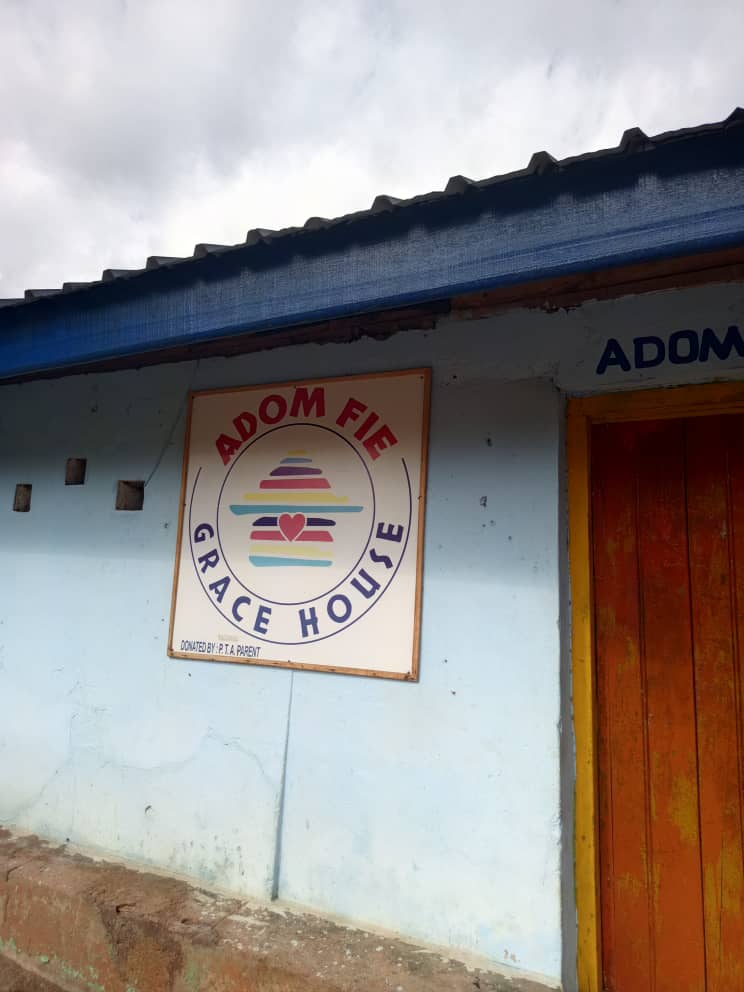
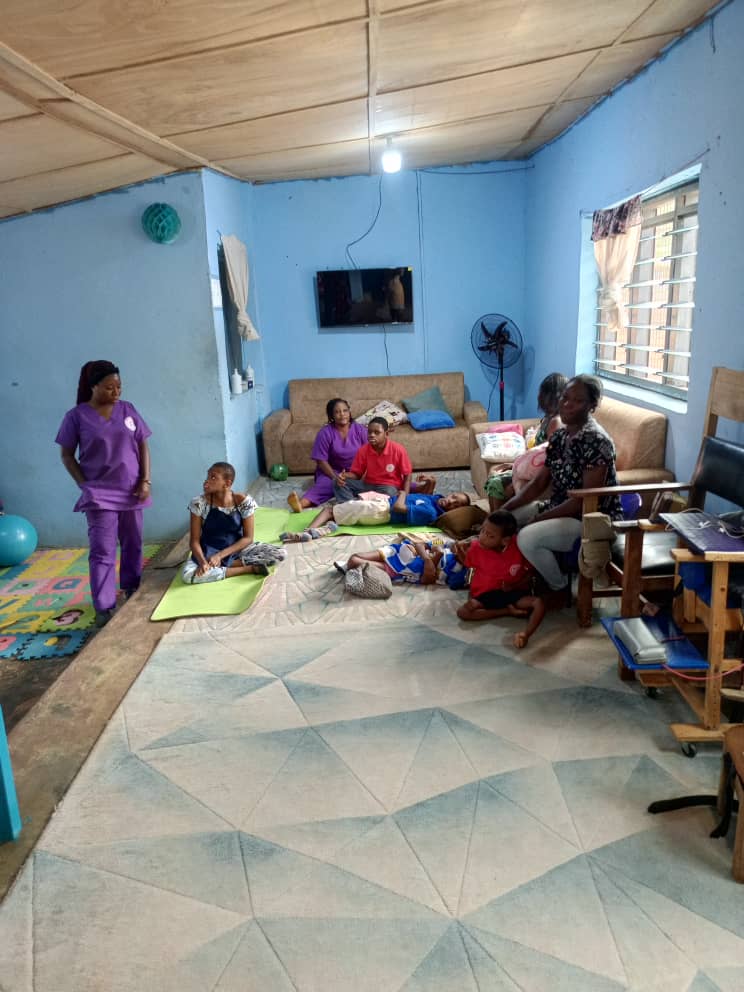
Adom Fie is a daytime facility located in the Dodowa area, allowing parents to leave their children, who have various developmental delays, throughout the day.
The team at Adom Fie primarily consists of mothers of children with disabilities in the community, or individuals who have had personal experience with a child or person with a disability.
The kids at Adom Fie receive therapy, one nutritious meal, and ongoing support during the day.
For instance, the caterer at Adom Fie is a mother to a child with special needs and serves as the president of the parents’ association in the neighborhood.
Adom Fie cultivate their own vegetables and maintain a fish pond. The fish from the pond are sold to generate money that helps support the center.
Ms. Sandra Elom Anku, a social worker at Adom Fie, mentioned that initially, it was challenging to convince the mothers to embrace formal employment.
“Many mothers were accustomed to staying with their children and receiving sympathy, making it challenging to get them to work as formal employees. However, things have improved significantly now, and the mothers are performing very well,” she said.
The parents have a mentor who guides them and also take official leaves and days off.
Ms. Anku mentioned that they also hold routine meetings to address their peak experiences and difficulties, and develop effective solutions to maintain seamless operations.
Parents who take their children to Adom Fie pay a fee of GHS 100, but it has been difficult to maintain.
Many parents are unable to afford a significant sum and also neglect to include essential items such as diapers, wipes, tissues, and similar products in their children’s bags when they arrive at the daycare.
Adom Fie currently has 12 children with different disabilities attending it.
Ms. Anku urged donors to assist them in maintaining the initiative.
GNA
Edited by George-Ramsey Benamba
 Provided by SyndiGate Media Inc. (
 Syndigate.info).



 jasdooit
Leave a comment