
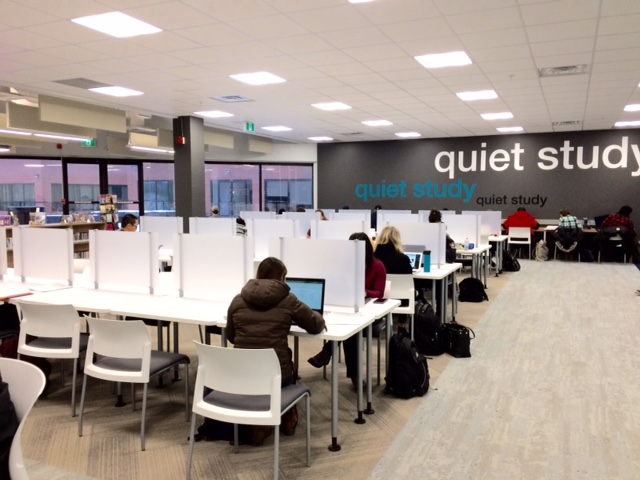
A tour of numerous universities in Pakistan highlights a contradiction. The classrooms are filled, the students seem focused, and the instructors teach the required content. However, what dominates is not discussion but quietness. Students rarely ask questions, seldom engage in debates, and almost never interrupt with inquisitiveness.
This quietude stems from an educational system that values memorization more than exploration. Learners are taught to repeat information rather than question it. By the time they arrive at university, numerous individuals have adopted silence as the most secure way to respond. The outcomes are serious. Institutions of higher learning, rather than serving as places for lively discussion, become mere channels for the delivery of knowledge. Assessments encourage copying, not critical thinking. Cultural expectations also support obedience to authority, hindering free conversation.
Ending this culture demands transformation. Teaching methods need to move from one-way communication to interactive discussions. Evaluation should promote deep thinking. Students, as well, need to develop the bravery to challenge assumptions.
Quietness within classrooms goes beyond just an educational aspect—it carries civic significance. A generation that is encouraged to stay silent in class may be less inclined to question false information or unfairness in society. For democracy to flourish, universities should promote curiosity, discussion, and involvement.
Provided by SyndiGate Media Inc. (Syndigate.info).




 jasdooit
Leave a comment