

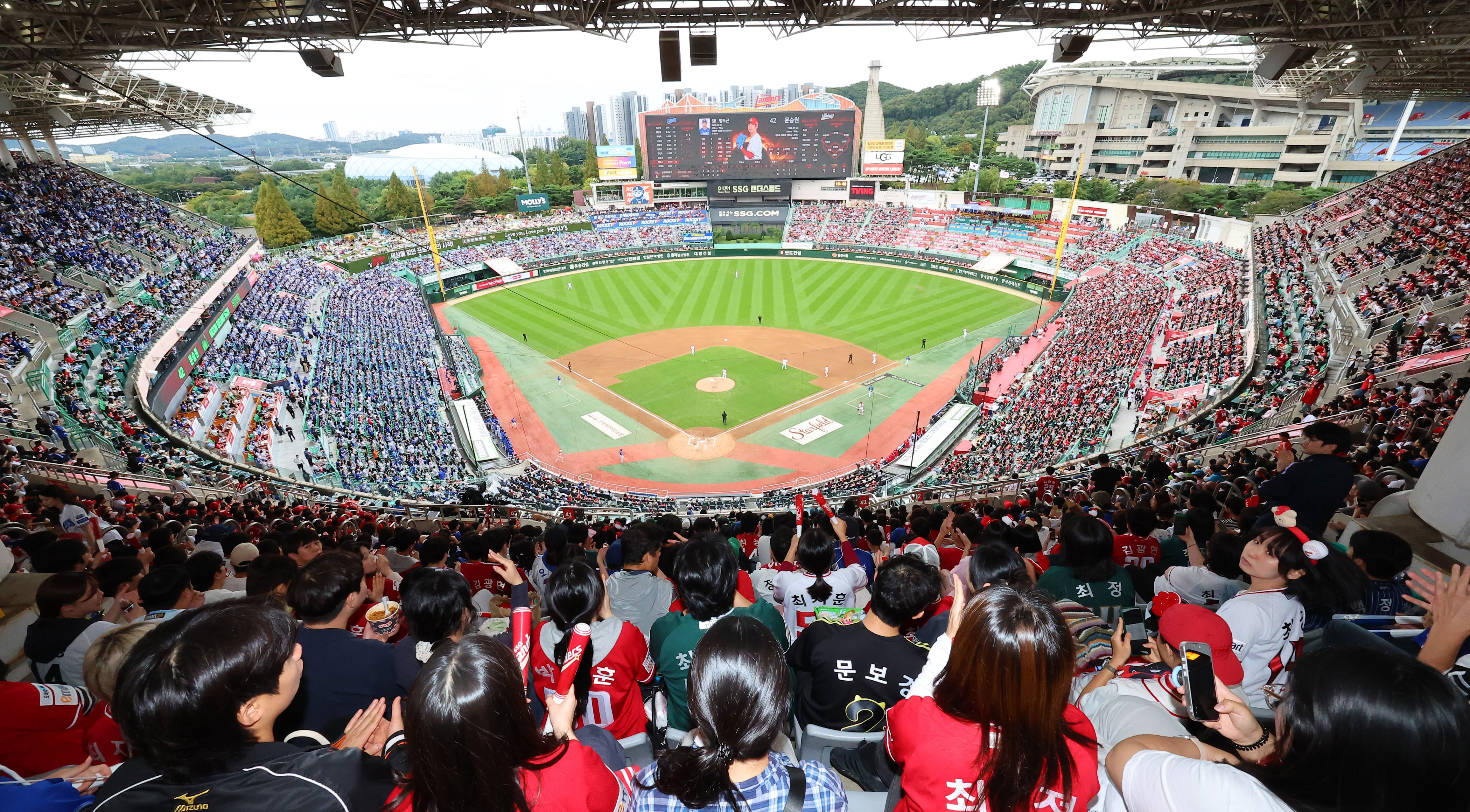
Baseball enthusiasts are deeply invested in the fall season from the start of spring. They experience highs and lows, but must wait through the summer to witness the game in October. With 10 teams competing, only five will advance. The top five teams based on their records get to participate in “autumn baseball.” When a favored team is eliminated, the playoffs turn into a celebration for another team. It’s not something fans look forward to. This year, professional baseball attendance exceeded 12 million, yet half of them will be delighted while the other half remains disappointed—over a simple sports event.
The previous year’s winner, KIA, dropped to 8th position this year. KT, Lotte, Doosan, and Kiwoom also left the competition. The autumn baseball season now features LG, Hanwha, SSG, Samsung, and NC, creating a tense battle where one mistake or home run can alter everything completely. Fans view game results as personal victories or defeats. They have invested their time, money, and emotions. When they win, they celebrate as if they’ve gained the world; when they lose, they sigh as if the earth is giving way.
The term “fan” was initially introduced in 1884 by a baseball event planner to refer to individuals who are enthusiastic about sports. The word comes from “fanatic,” a term commonly observed at baseball venues. Fans dressed in identical attire, consuming food and drinks, cheering, dancing, crying, and laughing—these groups represent an extension of themselves and a community built on unwavering belief. They also symbolize regional pride, such as “Blue Blood Samsung” or “Busan Seagulls.” It is more than just a simple game of ball.
Who claimed that the 21st century is the age of the individual? That is not accurate. The core of human connections—experiencing pain from thorns when too near and loneliness when too far apart—is referred to as the “hedgehog dilemma” (Schopenhauer). However, in the digital age, there are more opportunities to remain close while maintaining space. Communities based on shared interests flourish. In person, people come together to support Cho Yong-pil, Lim Young-woong, soccer teams, or baseball teams.
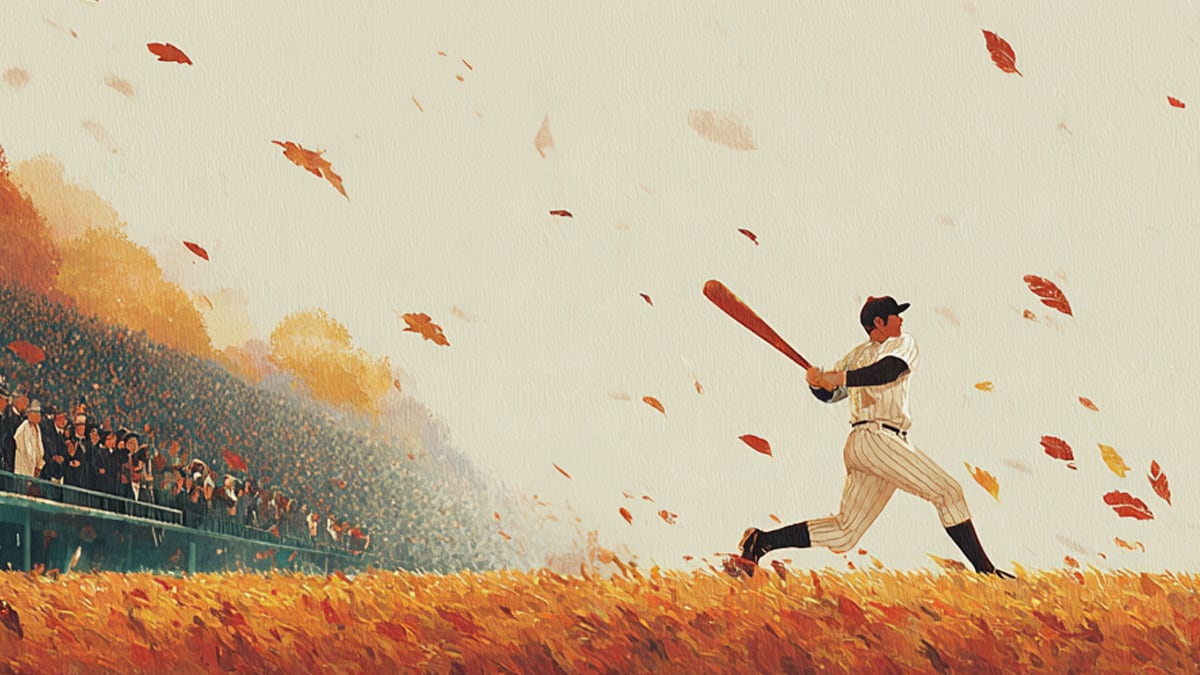
At a certain stage in life, we all develop a passion for something. When considering baseball, soccer, K-pop, and politics, the trend of group affiliation is growing stronger. People come together in large numbers, seeking a common identity and sense of belonging, hoping to accomplish things they couldn’t achieve individually. Fandom is similar to dynamite created by Nobel—it can be utilized for building or tearing down. While some fan communities, such as that of BTS, contribute to addressing social problems, others turn into systems that encourage prejudice.
During the 2014 World Cup held in Brazil, a researcher from Oxford University noted fluctuations in the cortisol levels of fans. Cortisol is a hormone that is secreted when an individual is under stress. Enthusiastic supporters faced higher levels of stress, irrespective of whether their team won or lost. When Brazil’s fans suffered a 7-1 loss against Germany in the semifinals, their cortisol levels spiked dramatically. Being a devoted fan comes with a lifestyle filled with significant stress.
Following a victory, they embrace and exclaim, “We won!” In defeat, they distance themselves and declare, “They lost!” Fan psychology views this as “the need to manage emotions.” If you watch baseball while using profanity, you’re likely a devoted supporter. Despite not being able to take part, they feel they are making an impact. Cursing embodies the contradiction of being a fan: condemning players for being unprofessional yet continuing to back them and wishing for their success the next day.
A 50-year-old supporter of the Hanwha Eagles, waiting for autumn baseball following seven years, stated they would be willing to change their job, partner, or faith—but never their baseball team. Despite enduring disappointment, betrayal, frustration, anger, and resignation, they cannot abandon baseball. It’s an addictive and forgettable game where hope reappears with spring after the off-season. Quoting a line from the film *No Other Choice*, they shout once more, “Come, autumn!” Come, autumn!


 jasdooit
Leave a comment