
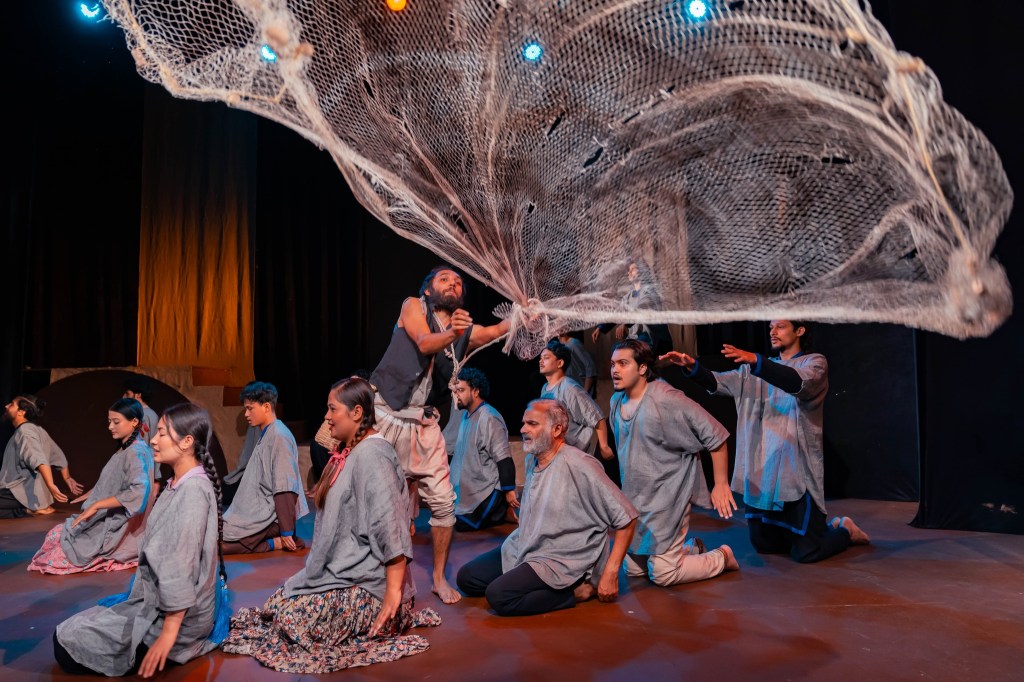
Kathmandu, October 14 – Mandala Theatre Nepal has stated that it will hire nine local performers for a one-month street theatre project designed to raise awareness about health and encourage social inclusion within underprivileged groups.
The initiative is in line with the ‘Support to the Gender Equality and Social Inclusion (S2GESI)’ program carried out by GIZ, the German development cooperation organization, along with the Nepalese government. It aims to benefit women, individuals with disabilities, Dalits, those affected by HIV/AIDS, and ethnic and religious minorities.
A co-founder of Mandala Theatre, Somnath Khanal, states, “With this initiative, our goal is to raise awareness, promote community involvement, and recognize the achievements of underrepresented groups in obtaining good healthcare.”
Performances will take place in the Aalital Rural Municipality located in Dadeldhura, the Triveni Municipality in Bajura, and the Panchadeval Binayak Municipality in Achham. Chosen artists will participate in a 15-day intensive training session in Dhangadhi prior to traveling to the three municipalities using Mandala’s mobile theatre truck, ‘Junkiri’.
Participants will work together to create theatrical productions focused on community issues, present nine performances, and take part in conversations with the audience after each show.
Applicants should be legal residents of one of the project’s locations. Previous experience in theater is advantageous but not required. Candidates must be open to traveling, working in isolated regions, and show dedication to community-focused theatre.
The training starts on December 11, 2025, and the agreement will continue until March 15, 2026. Those interested need to send their personal details, a photograph, and evidence of local residence to [email protected]. Applications can be submitted in either English or Nepali.
The submission deadline is set for October 30, 2025. Finalists will undergo local interviews during the first week of November.
The Mandala Theatre Nepal has mentioned that women, individuals with disabilities, and those from ethnic or gender minority communities will be prioritized.


 jasdooit
Leave a comment