

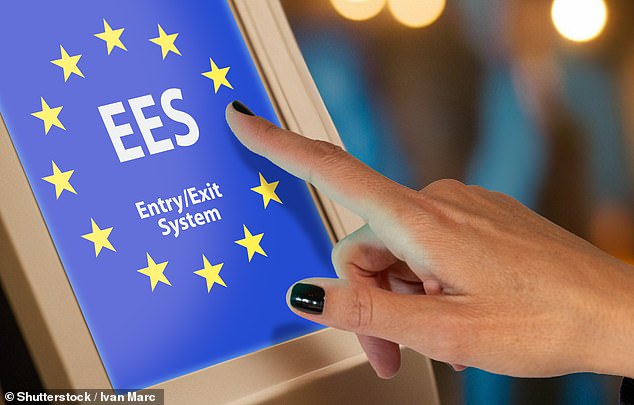
The updated Entry-Exit System (EES), aimed at expediting airport security procedures,has led to disorder at several large airports.
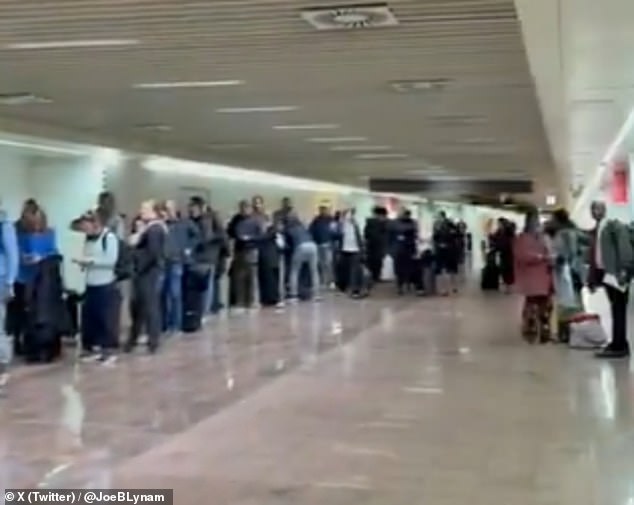
Even though the implementation is taking place slowly, it has already begun to significantly affect travel, as some individuals were reportedly waiting for three hours at Brussels Airport this week.
The EU introduced the EES system at its external borders on Sunday, enabling border control officers todispense with passport stamps.
Under the updated system, non-EU individualsvisiting 29 (primarily EU) nationsThey must register their fingerprints and consent to being photographed.
Countries involved are also required to record the arrival and departure dates of travelers.
However, a traveler shared with The Brussels Times that she had to wait in line for nearly three hours after landing at Brussels Airport on Monday.
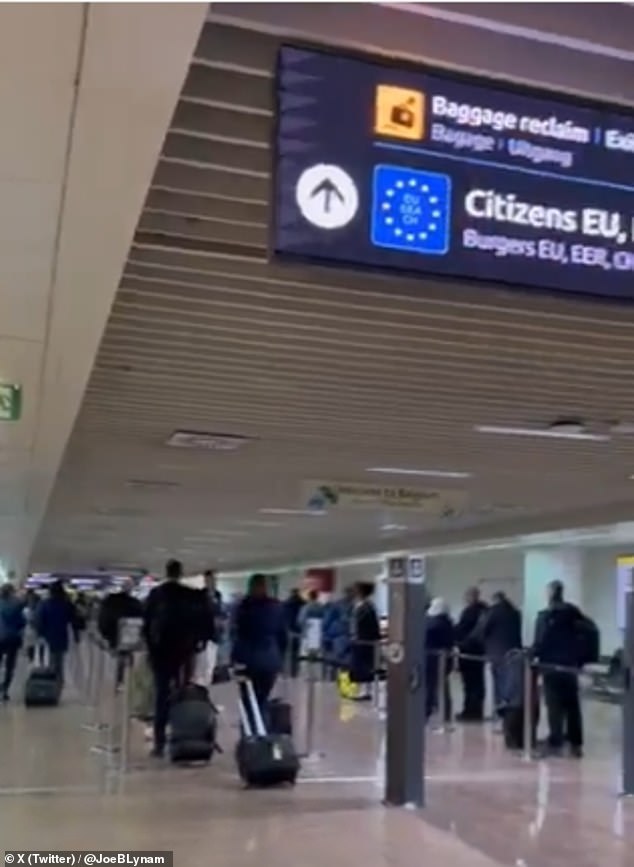
Rebecca Wells, who was carrying a U.S. passport,He mentioned that the line for EU passports was “significantly shorter” and moved much more quickly compared to the queue for travelers coming from outside the EU.
“No one was there to inform you or explain what was happening,” she said.
And regarding the new EES system, Rebecca mentioned that her passport was ‘marked as usual’.
She stated, “There was a place to leave fingerprints, but he didn’t request them nor did he ask me any questions, and I wasn’t required to complete any form or anything.”
When The Brussels Timesreached out to Brussels Airport for a statement, but they were unable to verify if the extended waiting periods were caused by the EES system.
A representative from the Federal Police, tasked with managing the airport’s border security, informed the outlet that the extended waiting period resulted from “a mix of reasons.”
The latest system is beingintroduced across Europe over time and will be fully functional at all external Schengen border points by April 10, 2026.
At Dover, the new EES must be used by bus drivers and will not affect other travelers until November 1.
Eurostar initially catered only to business travelers, while the Eurotunnel will start by transporting coaches and trucks before eventually allowing cars.
Travelers must scan their passports at an automated self-service terminal. This system will take the place of traditional passport stamps for those entering Europe’s Schengen zone.
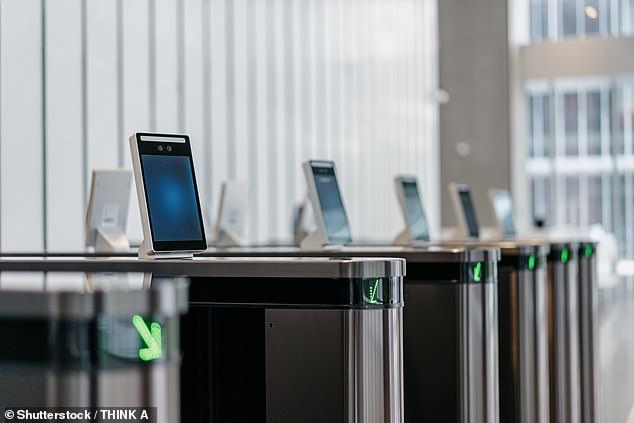
The system will record the individual’s name, category of travel document, biometric information (like fingerprints), and the dates and locations of arrival and departure.
After registration, your information is kept for three years, and during subsequent visits, you will only need a fast facial scan to confirm your identity.
The system seeks to combat crime and enforce the 90-day stay restriction, applicable to British travelers and other non-EU nationals, during any 180-day timeframe.
It will gather information from travelers upon their arrival or departure at an external Schengen border, such as international airports, seaports, train stations, and land crossings.
- What effect will the EU’s strict EES system have on British travelers due to the new scanning and photo requirements?
- Will the highly anticipated biometric Entry/Exit System ultimately resolve the disorder at EU borders for British travelers?
- Will Europe’s latest biometric system transform the airport experience for British travelers or create additional challenges at the border?
- Is the EU’s updated border system signaling the end of hassle-free travel, with Brits encountering detailed biometric screenings and possible wait times?
- What effect will the EU’s updated digital border system have on your travels? Are you likely to face frustrating wait times when entering?



 jasdooit
Leave a comment