

Experiencing a sense of discomfort and swelling following a large meal is a typical issue—but it’s just one of five types of bloating, as stated by a top nutritionist.
The 2023 Rome Foundation Global Epidemiology Research surveyed 51,425 people from 26 nations and discovered that nearly one fifth (18 percent)experiencing gas at least once a week, with many individuals also facingnausea and abdominal pain.
Public Health Nutritionist Dr Emma Derbyshire mentioned to the Daily Mail that there are actually various kinds of bloating—and not all of them are connected to our food or drink intake.
These include gas bloating—specifically the kind caused by beans and carbonated beverages—water retention bloating, hormonal bloating, bloat due to food sensitivities, and discomfort resulting from slow digestion.
She mentioned, “Water retention, constipation, hormonal changes, and stress can also lead to bloating, making you feel as if you’re inflating like a balloon.”
There are often multiple underlying causes, but the most frequent one is gastrointestinal gas.
This might be a digestive problem, often resulting from eating too quickly, a food intolerance, or an allergic reaction that leads to digestive discomfort and gas accumulation.
Anxiety might also lead to bloating, commonly because of air swallowing. Health issues like irritable bowel syndrome can also cause bloating.
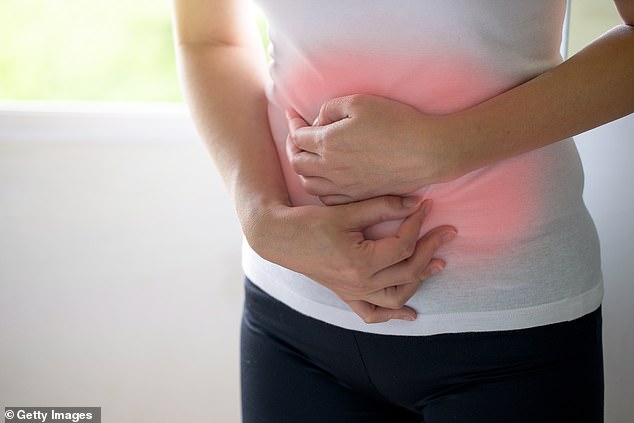
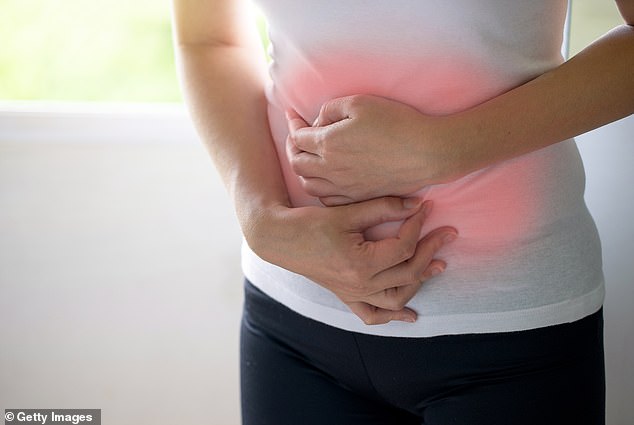
Common indicators of bloating are a sensation of fullness or tightness in the stomach area, observing that your belly appears larger than normal, to the extent that your clothing no longer fits as it typically does—despite your weight staying constant.
In more severe situations, your stomach may make gurgling, rumbling, and cramping sounds, leading to increased flatulence and belching.
One of the most annoying aspects of bloating is that you can’t predict how long it will persist—depending on the cause, episodes may last only aa few hours or for days straight.
Some people are more prone to bloating than others due food intolerances, irritable bowel conditions, or simply because they have an unhealthy gut flora—the medical term for the fungus and bacteria which help us digest food and absorb and assimilate nutrients via the bloodstream.
For females, the menstrual cycle can lead to temporary swelling caused by hormonal fluctuations that result in hunger urges and fluid buildup.
Bloating associated with water retention—which may also result from long flights, or the use of specific medications—can make you feel“more voluminous throughout,” says Dr Derbyshire, adding that inflammation could also appear in the face, hands, and feet.
Which foods may lead to bloating?
If you’re asked to imagine a food that can disrupt your digestion, the simple baked bean is likely the first thing that springs to mind.
However, it’s not just beans, legumes—such as chickpeas—and lentils that can lead to digestive discomfort.
Dr. Derbyshire stated, “Carbonated beverages, dairy products, foods high in gluten, sugar-free sweeteners, and greasy junk food are among the typical causes of bloating, as are chili peppers and spicy dishes.”
Reducing consumption of cruciferous vegetables like cabbage, cauliflower, and Brussels sprouts, as well as legumes such as peas, beans, and lentils, may also help minimize gas and bloating.
‘However, the key message, particularly as we move further into autumn and into winter, is to be cautious with high-fat, high-sugar snacks that may lead to an imbalance in gut bacteria.
Nevertheless, there’s no requirement to completely steer clear of these foods – simply focus on consuming smaller portions.
What are the quickest ways to relieve bloating?
Although it may appear contradictory, professionals recommend that individuals do not refrain from consuming liquids when dealing with fluid retention.
Dr. Derbyshire stated, “There appears to be a reasonable connection, but staying hydrated can actually contribute to water retention.”
Another approach to managing bloating is to drink a cup of peppermint tea.
You might also consider a light walk, apply a heating pad, and steer clear of snug clothing—lower your tights or loosen your jeans!
Proactive measures are typically the most effective solution, which is why Dr. Derbyshire suggests maintaining records and identifying trends related to flare-ups.
She mentioned: “Keep track of your food and beverage intake, and maintain a journal of your diet and symptoms.”
If there are any instances of bloating, consider—was there anything different consumed compared to your usual diet? Bloating is common, for instance, during holidays when we tend to eat more than usual.

Are there methods to avoid feeling bloated?
Since stress is a significant cause of bloating, Dr. Derbyshire recommends a two-pronged strategy to avoid swelling; adopting a conscious attitude towards your digestive health, and consuming a daily probiotic.
She said: ‘PPractice stress-relief methods such as slow, deep breathing and aim to unwind.
Take it easy with alcohol, keep yourself properly hydrated, and consume small amounts of food.
Continue moving by taking a good walk or run every day. Attempt some quick exercise sessions around the house: squats, push-ups, and use weights if available.
Dr. Derbyshire also suggests that individuals ensure they consume five portions of fruits and vegetables daily, and aprobiotic that includes Bifidobacterium longum 35624which has been demonstrated in scientific research to alleviate bloating and stomach discomfort.
When is it advisable to consult your GP regarding bloating?
Many instances of bloating are temporary, but if you tend to experience it frequently, it may return often, possibly due to dietary choices, medication, or other lifestyle elements.
Dr. Derbyshire mentioned that there are instances when it should be worrying.
She stated: “If bloating continues for three weeks or longer, happens frequently more than three to four times per week, doesn’t get better even with dietary changes, or is associated with abdominal pain, fever, blood in your stool, diarrhea, vomiting, heartburn, or loss of appetite, it’s advisable to schedule a visit with your physician.”
- Could your ongoing bloating be a sign of something serious? Learn about symptoms that might indicate ovarian or intestinal cancer!
- Can your most loved nutritious foods be the hidden causes of uncomfortable gas during flights?
- Could your bloating signal a serious warning of life-threatening illnesses inside? Cancer of the pancreas, stomach, ovaries, and intestines could be the underlying causes!
- Can persistent bloating and discomfort truly indicate SIBO, frequently mistaken for IBS? Uncover the underlying reason for your digestive issues!
- Could ongoing bloating be a sign of a severe gynecological cancer that you may have missed?




 jasdooit
Leave a comment