

The FDA has broadened the range of a cinnamon recall following additional samples being discovered with harmful levels of lead.
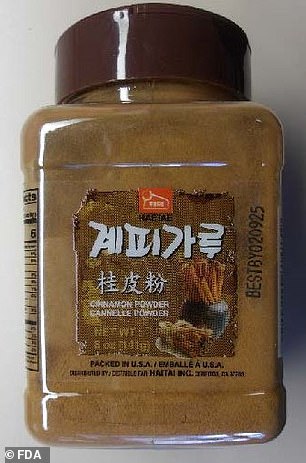
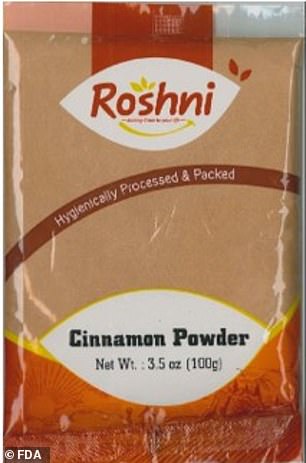
The recallcovers 16 brands and has undergone multiple expansions since its first announcement in 2024. The most recent additions are the brands HAETAE, Roshni, Durra, and Wise Wife.
State-controlled sample programs, along with FDA examinations, discovered that the productscontained lead concentrationsranging from approximately two to 7.7 parts per million (ppm), a concentration hundreds of times greater than the FDA’s standard for lead in bottled water, which is 5 parts per billion.
Childhood exposure to lead is recognized as a factor that can cause developmental and neurological harm, such as reduced IQ and learning difficulties. This happens because lead imitates vital nutrients like calcium, interfering with cellular functions and impairing important enzymes, resulting in damage to the brain, blood, and other organs.
As stated by the FDA: “Young children are especially at risk for the possible negative impacts of lead exposure due to their smaller bodies and quick metabolic processes and development.”
Lead, which is considered a potential carcinogen because of the harm it causes to DNA, may also lead to lasting health issues in adults, such as a higher likelihood of developing high blood pressure, heart-related problems, and kidney damage.
In 2023, the FDA examined and initiated recalls of lead-contaminated cinnamon found in applesauce pouches, which affected numerous children’s products. Since that time, the agency has continued to be actively involved and engaged.series of alertsfor ground cinnamon discovered to contain high levels of lead.
The country’s supply of cinnamon has a documented history of lead pollution due to the fact that cinnamon plants often take in lead from contaminated soil, as well as from the machinery and containers involved in processing and packaging.

The FDA, in collaboration with state programs, has identified that the following ground cinnamon brands have high levels of lead and recommends that consumers avoid purchasing and dispose of them: Roshni, HAETAE, Durra, Wise Wife, Jiva Organics, Super Brand, Asli, El Chilar, Marcum, SWAD, Supreme Tradition, Compania Indillor Orientale, ALB Flavor, Shahzada, Spice Class, and La Frontera. Contact with these items could pose a health risk.
The FDA saidAccording to the FDA’s evaluation, ingesting these items may lead to increased levels of lead in the bloodstream.
Prolonged consumption (ranging from months to years) of diets with high lead content might result in negative health impacts, especially for individuals who already have increased blood lead levels due to other sources of lead exposure.
The FDA mentioned that it has asked all companies, except HAETAE, as it has been unable to contact the parent company HaiTai to voluntarily recall their products.
To date, 10 out of the 16 ground cinnamon brands flagged by the FDA have released recall notices.
The U.S. Food and Drug Administration recommends that people discard these items right away and seek advice from a medical professional if they experience any symptoms or have worries regarding lead exposure.
The signs of lead exposure can be mild and frequently confused with typical health conditions, making it dangerous, particularly for children. They might experience tiredness, weight loss, have stomach pain, face hearing issues, and suffer from seizures.
Long-term exposure to lead in adults may result in significant health complications, such as high blood pressure, cognitive difficulties, joint discomfort, damage to reproductive systems, and negative effects on pregnancy.
Lead is categorized as a possible human carcinogen due to its ability to induce cancer via indirect pathways, rather than by directly modifying DNA.
The main method it uses is causing oxidative stress.
Lead causes an overproduction of unstable molecules known as free radicals, which have the potential to harm DNA, proteins, and cell membranes.
If this oxidative damage exceeds the body’s ability to repair it, it may cause mutations that trigger the development of cancer.
Lead can also interfere with the operation of essential enzymes that are involved in fixing damaged DNA and reduce the effectiveness of tumor suppressor genes, which play a vital role in preventing excessive cell growth.
The most compelling evidence connecting lead exposure to cancer in people relates to malignancies of the lung, stomach, and kidneys.
The FDA stated: ‘Although the ground cinnamon products mentioned in this warning may not specifically be intended for young children, cinnamon is found in various foods that young children eat.’
‘Removing the ground cinnamon products in this alert from the market will prevent them from contributing elevated amounts of lead to the diets of children.’
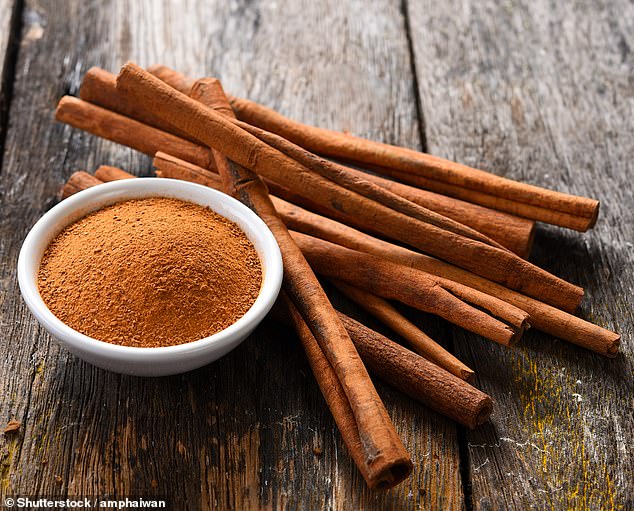
Lead is present in cinnamon as well as liquids in a form that is physically too small to see and does not readily undergo a chemical reaction that produces a detectable smell or visible change in the cinnamon.
The hidden danger can only be identified through specific laboratory analysis.
The FDA keeps getting and examining test results for cinnamon from state collaborators.
The organization will revise its warning if any new items are discovered to contain hazardous amounts of lead.
- Is your preferred cinnamon spice potentially containing harmful amounts of toxic lead, endangering health and well-being?
- Is the popular Wise Wife cinnamon a potential health risk? Find out why the FDA is cautioning that it might contain dangerous amounts of toxic lead!
- Is your cinnamon hiding harmful surprises? Find out which well-known brands are putting your health at risk with unsafe lead content!
- Do everyday kitchen essentials conceal a dangerous secret, with lead-contaminated Super Brand cinnamon presenting a major health risk?
- Is your child’s well-being in danger due to widely used baby food being removed across the country because it surpassed lead safety standards?




 jasdooit
Leave a comment