

A straightforward blood test is considered one of the most effective methods to monitor your well-being and identify any early indicators of more serious issues before it becomes too late, according to a prominent general practitioner.
If you’re among the growing number of people aiming to reach the age of 100, Dr. Dean Eggitt, a general practitioner and CEO at the Doncaster Local Medical Committee, emphasizes that taking care of your body during middle age is essential.
Although some signs of aging are typical, by the age of 40, our bodies begin to experience several major changes that can help physicians understand how well we are aging—and what issues might arise in the future.
As per Dr. Dean Eggitt, blood tests are among the most effective methods to monitor internal bodily processes as we pass a significant age. In this context, the Daily Mail outlines the four blood tests that individuals over 40 should be monitoring to ensure top-level health…
Monitor your blood’s fat and cholesterol levels through a lipid test
Many people are aware that there is a type of cholesterol referred to as ‘good’ cholesterol, or HDL—which plays a role in eliminating ‘bad’ or LDL cholesterol from the body.
Elevated amounts of ‘bad’ cholesterol may result in the accumulation along the inner walls of blood vessels, referred to as plaque, which can lead to various severe health issues such as hypertension, cardiovascular disease, and stroke.
Although our bodies require cholesterol to assist in repairing damage to blood vessels, it is crucial to keep a proper balance between HDL and LDL, particularly as we get older.
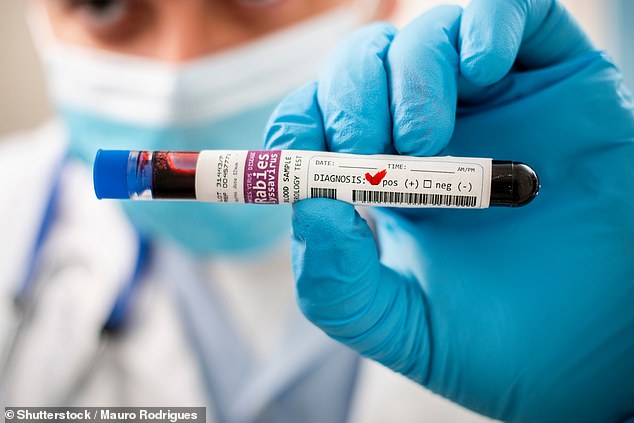
According to the NHS, individuals should strive to maintain their non-HDL, or harmful cholesterol, under 4mmol/L and beneficial cholesterol above 1.0mmol/L for men and 1.2mmol/L for women.
Although cholesterol is an essential component in the blood that is important for maintaining cell health, abnormal levels of cholesterol can result in significant health problems, raising the risk of heart-related conditions.
Around the age of 40, monitoring cholesterol levels becomes especially crucial, as this is when the body’s natural capacity to remove harmful cholesterol from the bloodstream begins to decline, thereby raising the chances of experiencing a heart attack, stroke, or hypertension.
Nevertheless, by embracing positive lifestyle choices such as consistent physical activity, maintaining a nutritious diet with limited saturated fats, and reducing alcohol consumption, the majority of individuals can decrease their non-HDL cholesterol levels and minimize related health risks within their homes—although certain individuals might require medication.
Also referred to as a full cholesterol test, a lipid panel is a blood examination that determines the levels of cholesterol and triglycerides—another form of fat—present in your bloodstream.
Although triglycerides account for over 95 percent of dietary lipids—commonly present in dairy items, foods rich in beneficial fats such as avocados, and certain meats—elevated amounts have been associated with conditions like diabetes, obesity, and cancer.
The blood test that evaluates your kidney health
The kidneys play a key role in eliminating waste from the body, generating red blood cells, and ensuring the proper balance of water, salts, and minerals in the bloodstream. Additionally, they assist in regulating blood pressure.
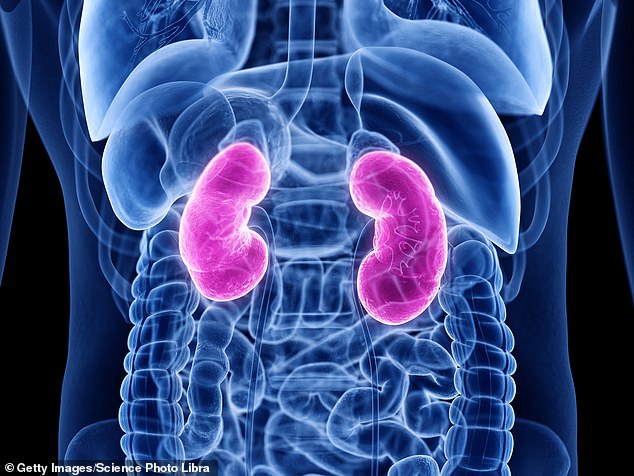
If this equilibrium is absent, the nerves, muscles, and other tissues in the body might not function correctly.
A blood test for serum creatinine assesses the efficiency of your kidneys in eliminating waste, harmful substances, and excess fluid from your bloodstream.
If your kidneys are not functioning at their best, your creatinine levels may increase, which might signal chronic kidney disease—a condition that leads to a slow decline in kidney function.
The risk is that in most instances, it shows no signs until the kidneys are nearly failing—by then, treatment is often ineffective.
Consequently, it is estimated that at least one million individuals are currently living with the condition unknowingly—due to an aging population and hypertension, which is recognized as a factor that can lead to kidney disease.
Regularly monitoring your kidney function can identify small problems before they become significant, reducing the likelihood of heart attacks and strokes.
The laboratory test that measures your glucose levels in the blood
Elevated blood sugar levels are becoming a growing risk for illness, as highlighted by a significant new study—showing a 6 percent rise in the number of individuals experiencing health issues due to high blood sugar.

As stated by Dr. Eggitt, knowing what a typical blood sugar level is plays a crucial role in preventing and managing diabetes. This involves having your HbA1c tested on a regular basis.
This examination assesses the amount of glycated hemoglobin in the bloodstream—this occurs when sugar from the blood attaches to red blood cells, which are responsible for transporting oxygen throughout the body.
A high HbA1c value indicates that the amount of sugar in your blood is elevated, which raises the chances of experiencing diabetes-related issues.
Nevertheless, it’s not always a significant problem if your blood glucose is marginally elevated for a brief period—factors such as being sick, experiencing stress, or reducing physical activity compared to usual can influence blood sugar levels.
However, prolonged high blood sugar levels can lead to significant issues, such as lasting nerve damage in the hands and feet—referred to as peripheral neuropathy—vision difficulties, and severe conditions like diabetic ketoacidosis, which occurs due to insufficient insulin.
Consuming a nutritious diet that is low in saturated fats, refined carbs, and sodium, along with maintaining an ideal body weight and engaging in consistent physical activity, can all contribute to reducing blood sugar levels. Additionally, eating at regular intervals and avoiding missed meals is beneficial.
Track your blood pressure
Approximately 14 million individuals in the UK are affected by high blood pressure. However, in about half of these instances, the condition remains unmanaged, increasing the likelihood of heart attacks, strokes, kidney disease, vascular dementia, and premature death.
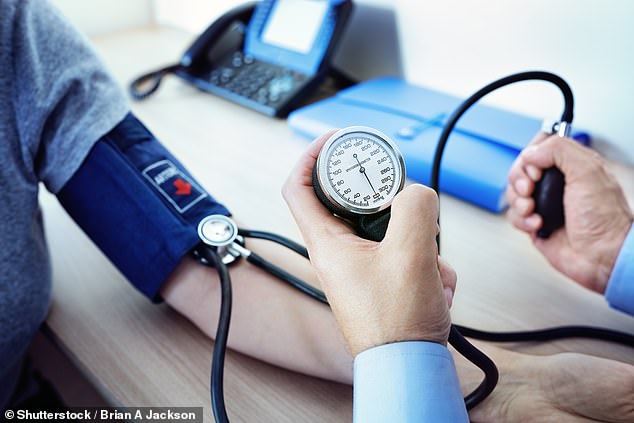
High blood pressure, referred to as hypertension, is defined as a reading of 135/85mmHg or more when measured at home, or 140/90mmHg or higher when recorded by a medical professional.
As a general reference, normal blood pressure is typically within the range of 90/60mmHg to 120/80mmHg, and individuals over 40 are advised to aim for approximately 115/75mmHg to lower the risk of heart attacks.
As we get older, blood pressure tends to increase because our arteries become less flexible, which puts extra strain on the heart. However, if high blood pressure is not addressed, it can lead to severe issues like heart attacks and strokes.
And for most people, high blood pressure rarely causes visible symptoms.
The only method to determine if your blood pressure is excessively elevated is by getting it measured.
However, the positive aspect is that high blood pressure can be effectively managed at home by making lifestyle changes, such as losing weight if you are overweight, maintaining a nutritious and balanced diet, and engaging in regular physical activity—according to the NHS, individuals should strive for a minimum of 150 minutes of exercise per week.
Reducing consumption of alcohol and caffeine may also contribute to lowering blood pressure.
- Can uncontrolled high cholesterol and hypertension act as hidden dangers for the UK’s elderly population?
- Are young people in Britain increasingly at risk of developing high blood pressure?
- Can maintaining healthy blood pressure during middle age help prevent brain-damaging dementia in the future? Learn about the unexpected connection!
- Does a straightforward blood test, frequently neglected by physicians, hold the key to preventing heart attacks and strokes?
- Are you unknowingly among the 4 out of 10 adults who have uncontrolled high blood pressure, putting themselves at risk for severe health issues?




 jasdooit
Leave a comment