
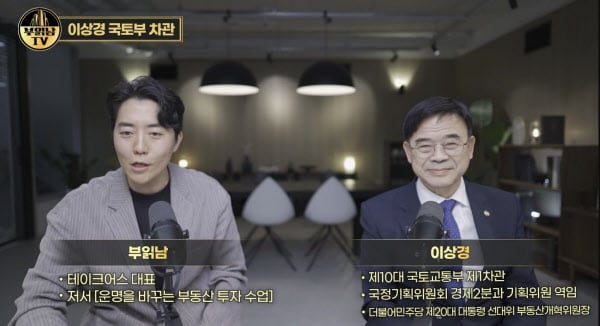
The revelation that Lee Sang-kyeong, the Vice Minister of Land and Infrastructure responsible for overseeing the government’s real estate strategy, bought a Bundang apartment worth 3.35 billion Korean won in July last year via a “gap investment” scheme has emerged. The October 15 Real Estate Measures now ban gap investments using jeonse (a lump-sum deposit) to acquire properties in the Bundang region. The vice minister had acquired the property more than a year prior to the policy implementation. Nevertheless, the vice minister appeared on YouTube and highlighted the validity of the current real estate regulations, asserting, “You can purchase a home once prices have stabilized.”
When his gap investment became a problem, the vice minister stated, “While buying a home to move into a bigger house, the move-in dates didn’t match, so we had no option but to live in a jeonse rental while arranging the move-in schedule.” In reality, these kinds of situations are frequent during the home buying and selling process. However, the current real estate policy has also banned this practice. The policy official himself engaged in such activities while preventing others from carrying out common, daily practices.
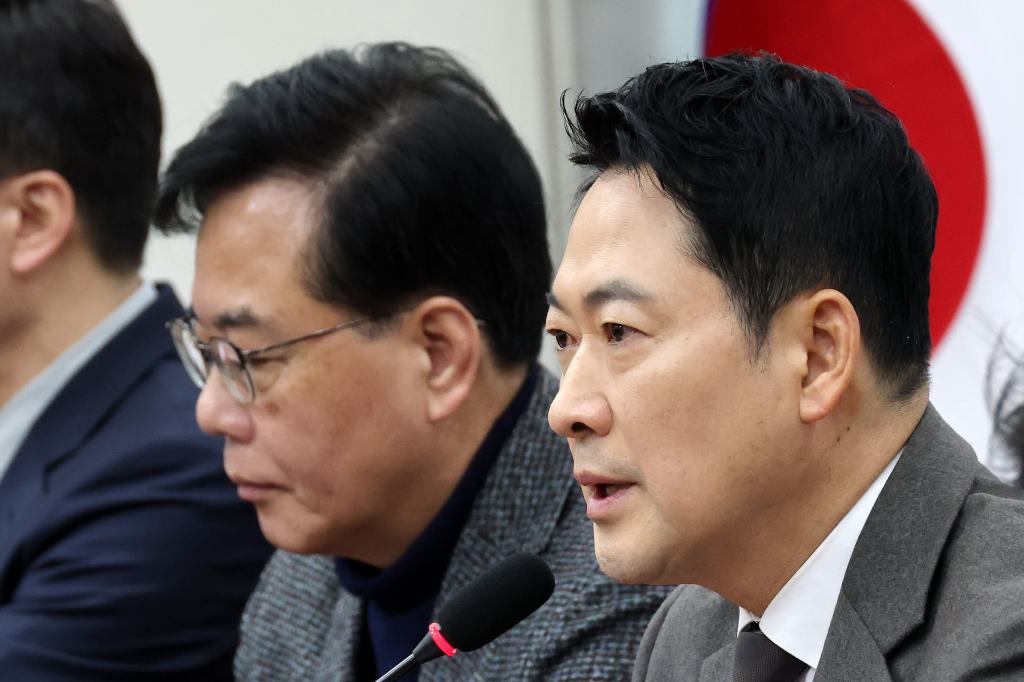
The October 15 Measures represent extremely strict demand control policies. Consequently, the majority of actual homebuyers have found it almost impossible to acquire properties. All regulations inevitably lead to unintended consequences. Officials in charge must convince and comfort citizens who are negatively affected by these consequences. However, the Democratic Party is not attempting to persuade but instead strongly promoting the policy’s legitimacy. Democratic Party floor leader Kim Byung-kee remarked, “Is it appropriate for people to take on debts amounting to hundreds of millions or even billions of won just to buy a house?” In a scenario where only a few individuals can purchase homes without taking loans, how will the general public interpret this statement? Representative Kim resides in a jeonse rental within his constituency (Seoul Dongjak-gu A) while owning a reconstruction apartment valued at around 3 billion won in Seoul’s Songpa-gu. According to the Democratic Party’s criteria, owning a property without living in it would clearly be seen as speculation.
It is also illogical for an official of vice minister rank to be in charge of handling a policy matter of such significant importance as a nuclear bomb. It is only appropriate that the presidential office assumes responsibility and moves forward. Prior to this, policy officials should first cease inciting public frustration through their “do as I say, not as I do” approach regarding real estate.



 jasdooit
Leave a comment