

As public opinion deteriorates regarding the real estate policies implemented on October 15, President Lee Jae-myung reiterated the government’s strict approach to controlling property demand during a Cabinet meeting on the 21st. This seems intended to eliminate any possibility of the government altering its strategies due to developments in the real estate sector.
The current upward movement in the stock market, fueled by increasing KOSPI values, is reportedly easing criticism of real estate policies. A government official from the presidential office said, “This reflects the administration’s commitment to shifting toward more productive financial practices.”
Some governmental sources have reportedly recommended keeping existing rules in place, such as designating the entire Seoul area and certain parts of Gyeonggi Province as regions requiring permits for land transactions for at least two years, along with additional limitations on housing mortgage loans depending on property values. Although there are ongoing worries inside the Democratic Party of Korea that these actions might affect next year’s local elections, a representative from the presidential office stated, “If housing prices remain stable before the elections, negative public opinion is likely to decrease.” A member of the ruling party noted, “The presidential office thinks it is necessary to manage housing prices even if it leads to a drop in approval ratings.”
Government departments are following the president’s position. The administration is considering proposals to create a new regulatory authority for the property sector, enhance scrutiny of transactions, and enforce harsher consequences for manipulating market prices.
The governing party is also taking similar actions. While worries are increasing among lawmakers from the Democratic Party in the capital area, the party’s leadership has directed its members not to make public statements regarding real estate matters. Since the government’s policy announcement, party leader Jung Chung-rae has remained quiet on the issue. A party official stated, “Economic issues such as real estate have been handed over to the presidential office and the government,” noting, “Displaying a difference in stance between the party and the government while public frustration is growing could send a more negative message to the market.”
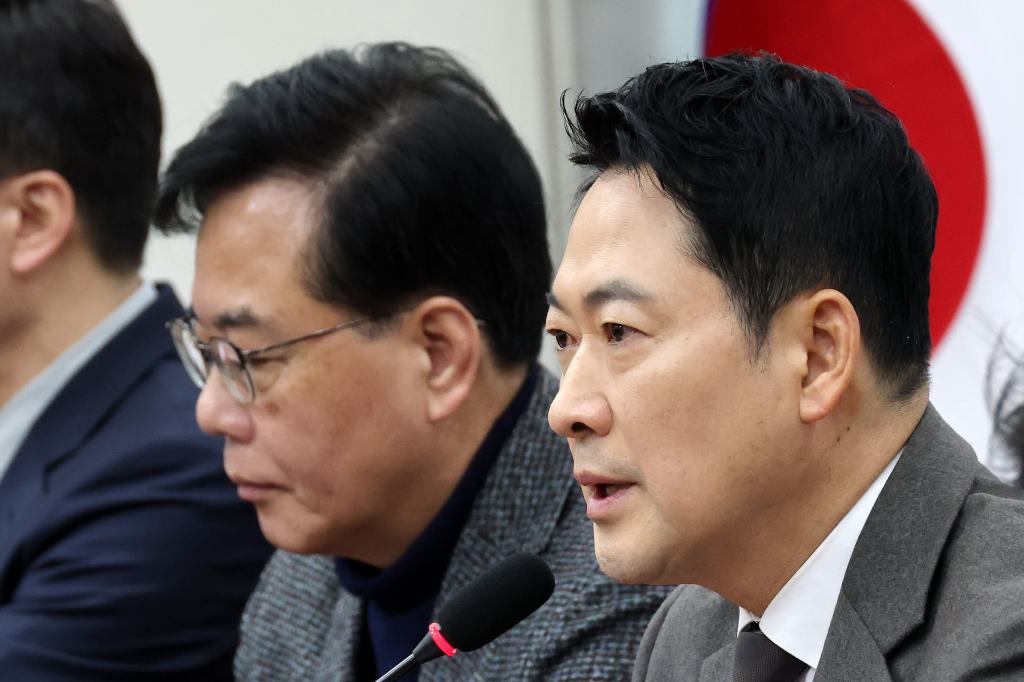
Han Jeong-ae, head of the Democratic Party’s Housing Market Stabilization Task Force, provided an update at the National Assembly, saying, “The Democratic Party fully backs the government’s initiatives” and promised, “We will quickly pass supplementary legislation during the regular National Assembly session and strive to provide housing that meets the needs.”
Both the presidential administration and the Democratic Party are hesitant to address property tax changes, such as higher holding taxes. A member of the ruling party stated, “The simple discussion about increasing holding taxes indicates that the market can no longer ensure profits from owning expensive homes,” and mentioned, “This is a choice that needs to be made while keeping an eye on market trends.”



 jasdooit
Leave a comment