
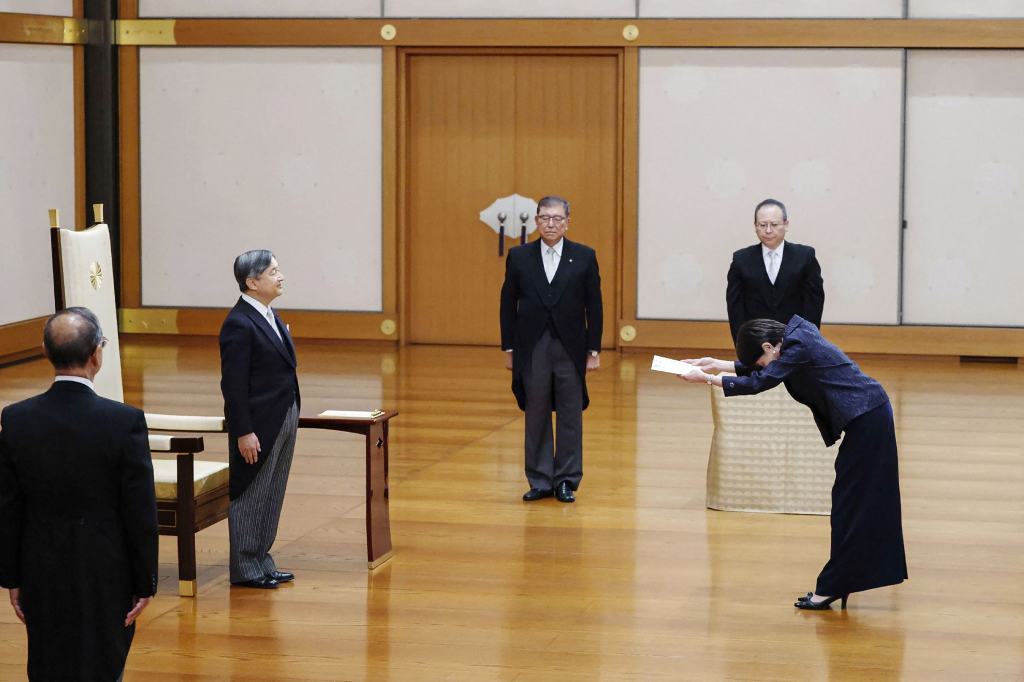
Sanae Takaichi, who became Japan’s first female prime minister following a challenging process, will quickly encounter several significant diplomatic engagements. Just five days after taking office, she is scheduled to participate in the ASEAN (Association of Southeast Asian Nations) Summit in Malaysia on the 26th and 27th, then meet with U.S. President Donald Trump from the 27th to the 29th, and attend the APEC (Asia-Pacific Economic Cooperation) Summit in Gyeongju from the 31st to November 1st. Takaichi, whose strong right-wing statements on historical matters have raised regional concerns, is being closely watched for her upcoming foreign policy approach.
While serving as a legislator, Takaichi frequently visited the Yasukuni Shrine, which honors Class-A war criminals from World War II, and has argued that apologies for Japan’s colonial rule and the comfort women issue are not required. Although her previous remarks indicate she might take a firm position, experts believe she will likely take a more measured approach due to Japan’s present security concerns. Focusing on the U.S. alliance in the face of challenges such as Chinese territorial expansion and North Korean missile tests, maintaining good relations with South Korea is also considered vital for the stability of her government.
Takaichi’s initial responsibility is to establish a strong connection with Trump, much like former Prime Minister Shinzo Abe did. Japanese media indicate that her first instruction will involve the “revision of the three key security documents,” in line with U.S.-led initiatives to counter China and boost defense expenditures. In 2022, Japan’s security documents outlined a plan to increase defense spending from 1% to 2% of GDP by 2027. Takaichi is anticipated to advocate for an earlier revision, aiming to fulfill U.S. requirements for a 3-3.5% level. “The Japan-U.S. alliance is the foundation of our security,” she stated. “We are a vital partner in the U.S. Indo-Pacific strategy. When I meet President Trump, I hope to exchange open perspectives on common challenges and strengthen trust between our leaders.”
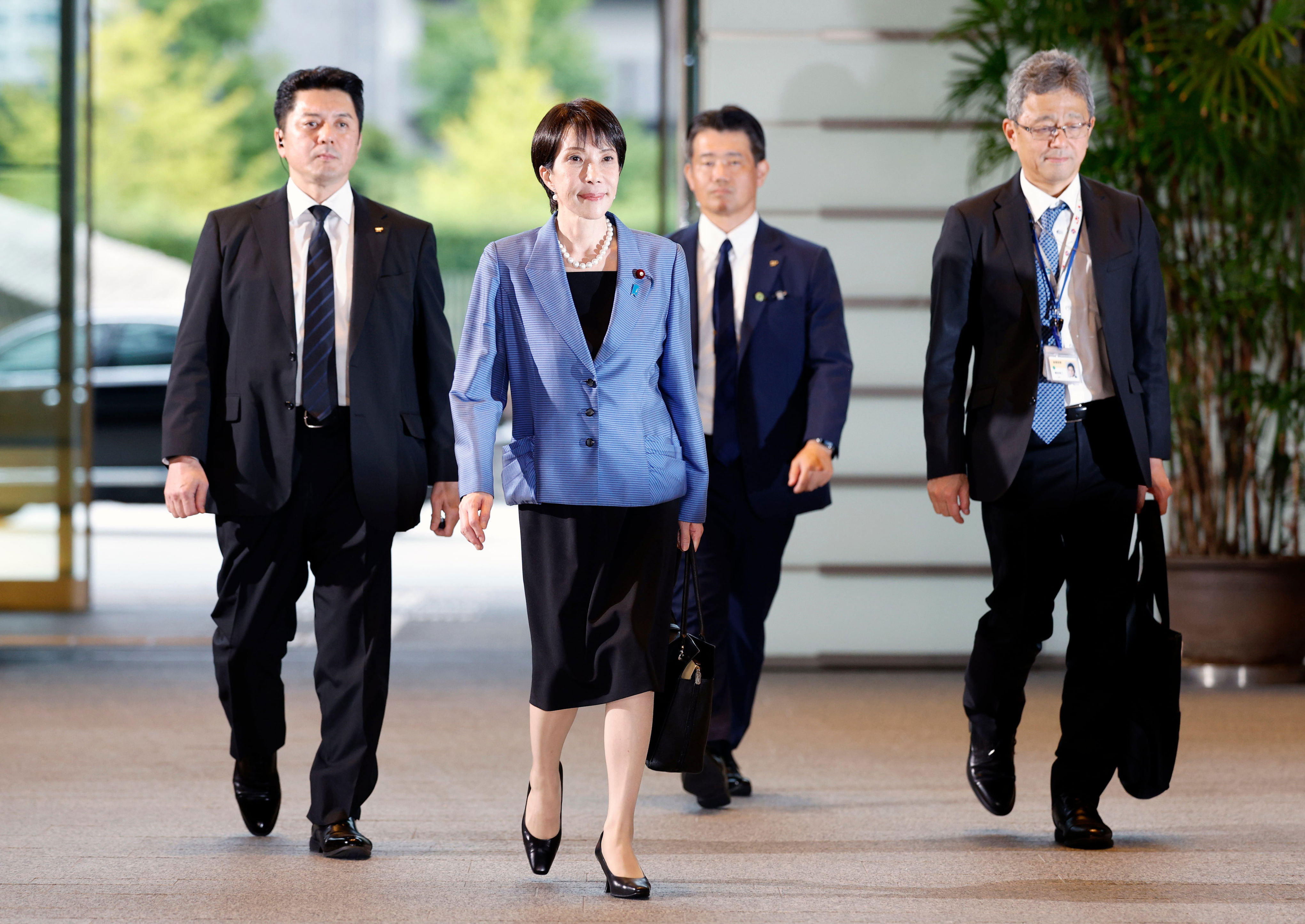
Takaichi is also anticipated to highlight collaboration with South Korea. Although she has previously made statements—like encouraging the government to send a minister to the “Takeshima Day” event in September and criticizing South Korea for “escalating” tensions due to varying visits to Yasukuni—experts believe she will steer clear of actions that might disrupt bilateral relations amid rising regional tensions, including China’s threats against Taiwan and the growing ties between Russia and North Korea.
During her press conference, Takaichi said, “Japan-South Korea relations have evolved through various governments, and I aim to strengthen this base for a more forward-looking and stable relationship.” She further mentioned, “I am looking forward to engaging in discussions with President Lee Jae-myung and maintaining effective communication. When it comes to North Korea, collaboration among Japan, the U.S., and South Korea is crucial for both security and economic stability, and I intend to handle this strategically.” Recognizing South Korean concerns, she remarked, “Some people in South Korea have voiced their anxieties, but I love Korean cuisine and enjoy Korean television shows. I am excited about the possibility of meeting President Lee.”
Takaichi, who used to visit the Yasukuni Shrine every year during the Reitaisai festival, stopped going after taking on the role of LDP president, opting instead to present a ceremonial offering. During her inauguration press conference, she stated, “APEC is an essential regional platform,” and committed to promoting “a free and fair region grounded in rules” at the summit.
Tadashi Kimiya, a retired professor from the University of Tokyo, drew a parallel between Takaichi and President Lee Jae-myung, who altered his position once in power. “Similar to how Lee changed after becoming president, Takaichi will also adjust,” Kimiya stated. “In an uncertain global climate under President Trump, both Japan and South Korea view each other as the most dependable allies.”
The primary source of potential conflict is likely to be Japan’s relations with China. Takaichi, who has a well-known pro-Taiwan position, stated in a recent article for the Hudson Institute, “Peace and stability in the Taiwan Strait are matters of concern for Japan. Taiwan is a very important ally.” She emphasized, “Any changes to the current situation through force cannot be accepted,” and pledged to have “open discussions with Chinese leaders.” Now that her alliance with the Komeito Party, which previously focused on maintaining Sino-Japanese ties, has ended, Takaichi’s government is no longer limited by their influence.
Pro-Taiwan individuals have been placed in important roles within her government and the LDP. Chief Cabinet Secretary Minoru Kihara, who holds the second-highest position in the cabinet, is the secretary-general of the cross-party “Japan-Taiwan Diet Members’ Forum.” He had planned to visit Taiwan this month but canceled to prevent angering China.
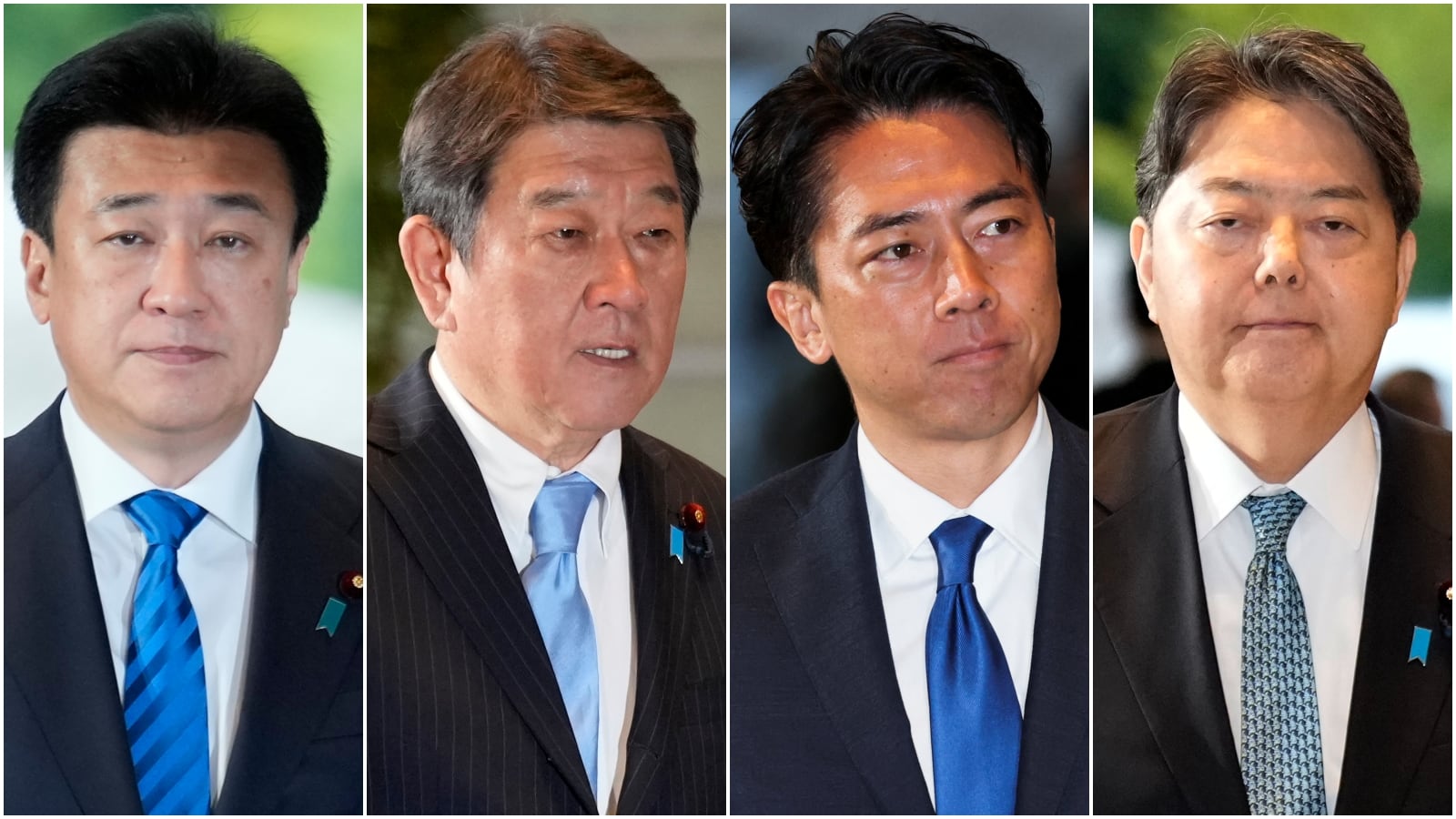
Takayuki Kobayashi, the head of the LDP’s policy department, and Keiji Furuya, leader of the election strategy committee, traveled to Taiwan in June and October respectively. In March, Furuya remarked, “A crisis in Taiwan is a crisis for Japan,” repeating a statement previously made by former Prime Minister Abe, who warned that a Chinese invasion of Taiwan would require Japan’s intervention. Koichi Hagiuda, a former associate of Abe known as “Little Abe,” was also named acting Policy Chairman.



 jasdooit
Leave a comment