
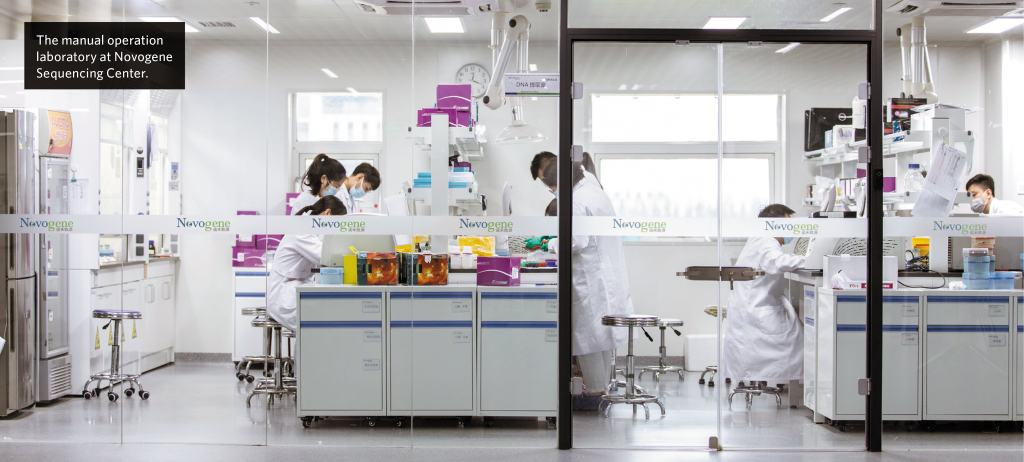
A Chinese company specializing in genome analysis, which has recently entered the domestic market, is performing analysis by sending Korean genetic data abroad. However, it has been discovered that the South Korean government remains unaware of the actual circumstances. The genome encompasses all genetic information capable of identifying genetic traits, susceptibility to diseases, and responses to medications, making it the most crucial form of biometric data.
According to a reply from the Ministry of Health and Welfare, obtained by this newspaper via the office of Han Ji-a, a lawmaker from the People Power Party, on the 24th, there has been no collection or review of approvals and reports related to the export of human body information, including genetic data, over the past five years. The Ministry of Health and Welfare mentioned, “There are no clauses in the Bioethics and Safety Act that require approval or reporting for the overseas export of human body information, including genomes.” This implies that the government does not monitor or regulate the export of genome information abroad due to the lack of appropriate legislation. This is different from major countries that strictly control and manage the leakage of genome information overseas. The Ministry of Health and Welfare also commented on the status of foreign genome analysis companies, their overseas facilities where actual analysis takes place, and the details of contracts with such companies, stating, “These are not covered by existing laws, and we do not possess such information.”
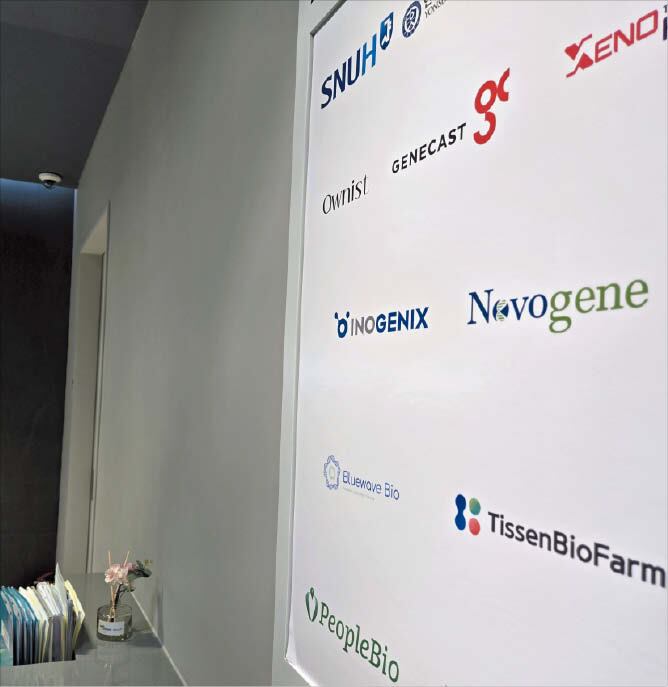
◇Chinese company Novogene enters a building where biometric data from South Korea is gathered
On the 17th, at the headquarters of the Korea Health Association in Hwagok-dong, Gangseo-gu, Seoul. The eight-story building had the Central Testing Headquarters on its fourth floor, which processes samples sent from 17 regional health screening centers under the association across the country, while the fifth floor housed the shared laboratory “Medi Open Lab,” which included 17 bio-startups. In the middle of the company nameplates on one wall of the entrance to the fifth-floor shared laboratory, “Novogene” stood out. Novogene, a Chinese company based in Beijing and among the top genome analysis service providers globally by sales, entered the Korean market last June by establishing Novogene Korea. It has faced controversy for winning genome analysis projects in Korea and sending the collected samples to its analysis centers in China and Singapore for processing. The Ministry of Health and Welfare, which oversees and supervises the Korea Health Association, was unaware that Novogene Korea had relocated to the association’s headquarters building. When Novogene established Novogene Korea as a subsidiary, concerns arose domestically about the overseas transfer of biometric information, yet the relevant ministry did not even know the office’s location. The Ministry of Health and Welfare told this newspaper, “We became aware of the details regarding Novogene’s move into the Korea Health Association building through a data request by Lee Joo-young, a Reform Party lawmaker, in mid-September.”
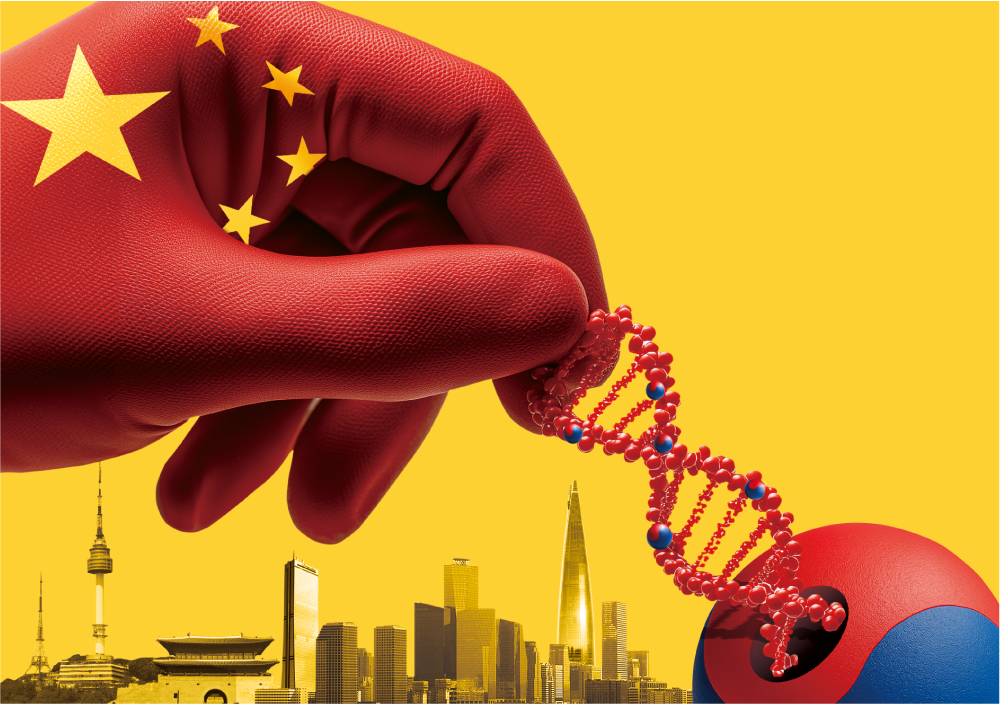
◇Novogene: ‘Korean genomes studied in China’
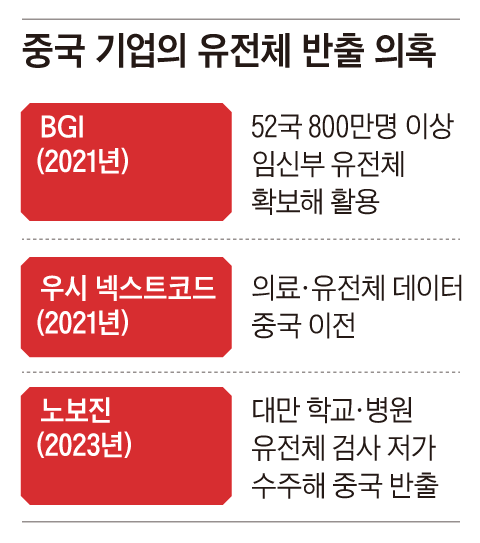
Novogene was established in 2011 by Li Ruchang, who previously held the position of vice president at BGI (Beijing Genomics Institute), a company specializing in genome analysis. BGI has faced allegations of sharing genetic information from more than 8 million pregnant women across 52 countries with the Chinese People’s Liberation Army and is listed as a controlled entity under the “Bio Security Act,” a legislation that the U.S. Congress is currently working to implement. In 2023, Novogene became a subject of debate after securing low-cost genome testing contracts from schools and hospitals in Taiwan and subsequently transferring the data to China. Lee Joo-young stated, “It is claimed that the Korea Health Association has gathered extensive medical data while managing approximately 10% of all national health screenings,” and further mentioned, “They highlighted in their promotion of the shared laboratory that integrated research can be carried out using this data.”
In reply, Novogene stated to this newspaper, “Samples gathered in South Korea are sent to Novogene’s facilities in China or Singapore for testing,” and further mentioned, “There is no danger of personal information being revealed since we do not gather or handle individual genetic data.” This implies that the genomes analyzed in China are not identified on an individual level. With respect to their entry into the Korea Health Association building, they said, “We do not have access to the association’s biological samples, health databases, or internal systems.”
◇ ‘Necessity of a law for protecting human body information’
The scientific community highlights that even if genomes are not differentiated on an individual level, as Novogene asserts, the export of biometric data overseas poses significant risks, as it is closely tied to national security. This is because acquiring a substantial amount of Korean biometric information enables the identification of diseases that Koreans are prone to and the creation of new medications to address them. There is a possibility of a scenario where the country becomes reliant on foreign nations for treatment drugs, similar to what was observed during the COVID-19 pandemic. Additionally, genomes could be exploited in the development of bioweapons specifically targeting Koreans.
Major nations closely regulate genetic data. China classifies genome information as a national strategic resource under the Human Genetic Resources Management Regulations, and strictly controls its export abroad through prior approval and security reviews. The United States, which issued an executive order limiting access by “countries of concern” to sensitive personal data such as genomes, introduced specific implementation guidelines via the Department of Justice this year. The U.S. Department of Defense added Chinese genome analysis firms like BGI and MGI to the “Chinese Military Companies” list last January. The European Union (EU) passed the European Health Data Space (EHDS) regulation this year, starting to enforce strict control over the management of biometric data, including genomes, by the state and their use in research through security measures. Han Ji-a stated, “While other countries treat human biological data, including genomes, as national strategic assets, our government is practically doing nothing, even failing to monitor exports overseas,” and added, “We need to quickly enact a law to protect the biological data of our citizens.”
☞Genome (genome)
The complete set of genetic material found in a living organism. It serves as the fundamental basis for precision medicine and biological research, as it can reveal an individual’s genetic traits, susceptibility to diseases, reactions to medications, heritage, and collective background. It is also considered extremely confidential information, seen as a more accurate “personal identifier” than fingerprints.



 jasdooit
Leave a comment