
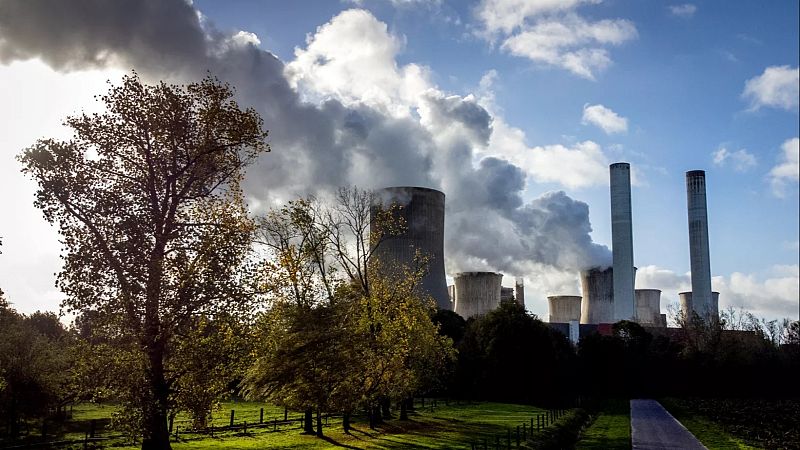
One out of every five German municipal energy companies intend to shut down gas networks by 2045, while the federal government is constructing 20 gigawatts of new gas-powered power plants — a contradictory approach as cities move away from heating gas and the country continues to rely on gas for electricity production.
A study conducted by the German Association of Local Utilities (VKU) indicates that 19% of local utility companies intend to retire their gas infrastructure by 2045 at the latest.
Nearly half of the suppliers, 46%, remain uncertain about whether they plan to transition their networks to eco-friendly gas in the future or close them entirely.
Just 8% have already decided to switch their energy systems for home use to renewable gas.
Mannheim is highly determined in its efforts to eliminate gas usage. As per the plans from supplier MVV, the gas infrastructure is scheduled to be retired by 2035.
Augsburg, Hanover, and Würzburg intend to terminate their gas supply by 2040. In Munich and Regensburg, the gas networks will be closed down by 2045 at the latest.

At the start of May, Federal Minister for Economic Affairs and Energy Katherina Reiche stated that gas-powered electricity generation facilities with a combined capacity of “at least 20 gigawatts” would be constructed.
The national strategy considers natural gas power stations as a temporary solution, with the potential for conversion to hydrogen. The intention is to utilize them during periods when solar and wind energy are inadequate in Germany.
Although gas will remain a source for electricity production at the national level, urban areas will decrease its application for heating purposes locally.
EU funding is essential to maintain power plants during periods of inactivity. However, the Ministry of Economic Affairs might not obtain as much as it expects.
Based on unconfirmed reports, discussions suggest providing support for a capacity of 12 to 12.5 gigawatts rather than 20.
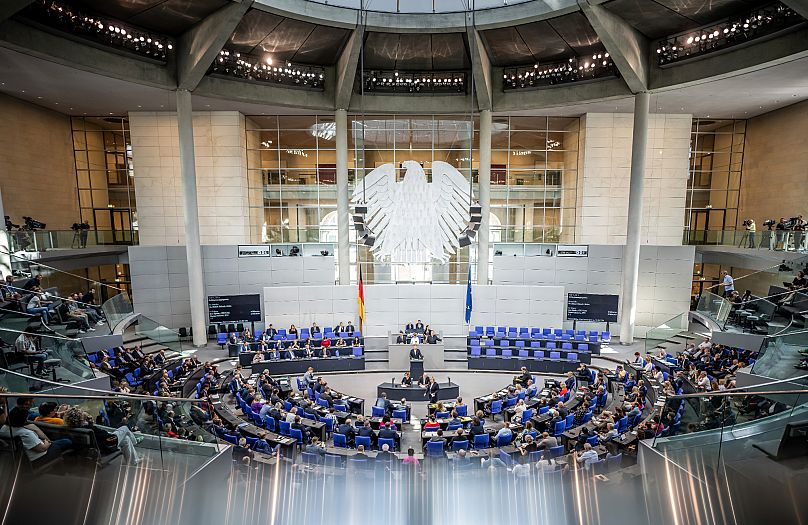
Who will cover the expenses?
The German Association of Local Utilities (VKU) is urging for swift establishment of planning clarity and cautions that the expenses associated with decommissioning the grid might mainly fall on consumers.
The Managing Director of VKU, Ingbert Liebing, stated to the German newspaper Bild that “any individual who can’t use gas or oil for heating in 2045 should have access to cost-effective options. District heating, heat pumps, and green gases need to be universally available by that time at the latest.”
Clients range from private households to businesses in Germany, with approximately 1.4 million mid-sized companies linked to the gas distribution network.
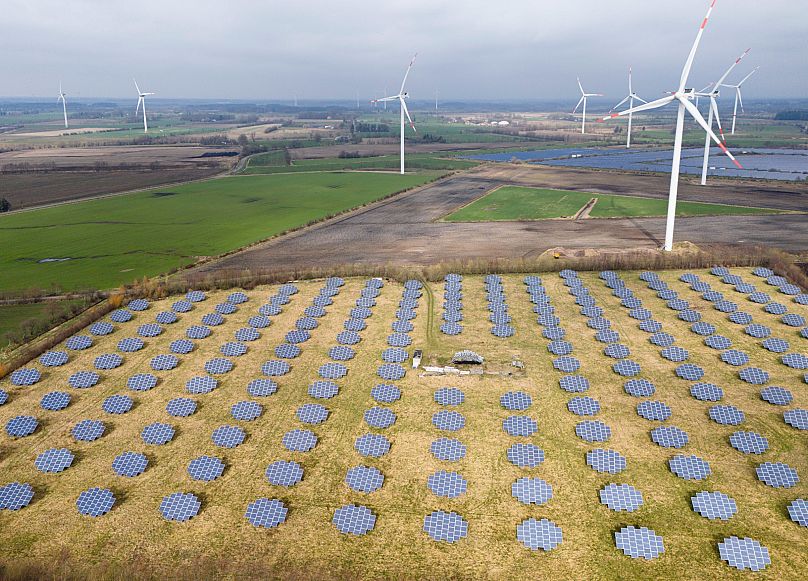
Increasing costs for gas, power, and materials are already affecting the profit margins of these businesses.
Stringent tax laws, environmental standards, workplace health and safety rules, and energy efficiency guidelines add to bureaucratic tasks and expenses.
Additionally, global rivals benefiting from lower labor and manufacturing expenses are exerting downward pressure on prices for mid-sized businesses.



 jasdooit
Leave a comment