
With Macau expanding beyond the gaming sector, wellness clinics are positioning themselves as the next major component of the Greater Bay Area’s economy.
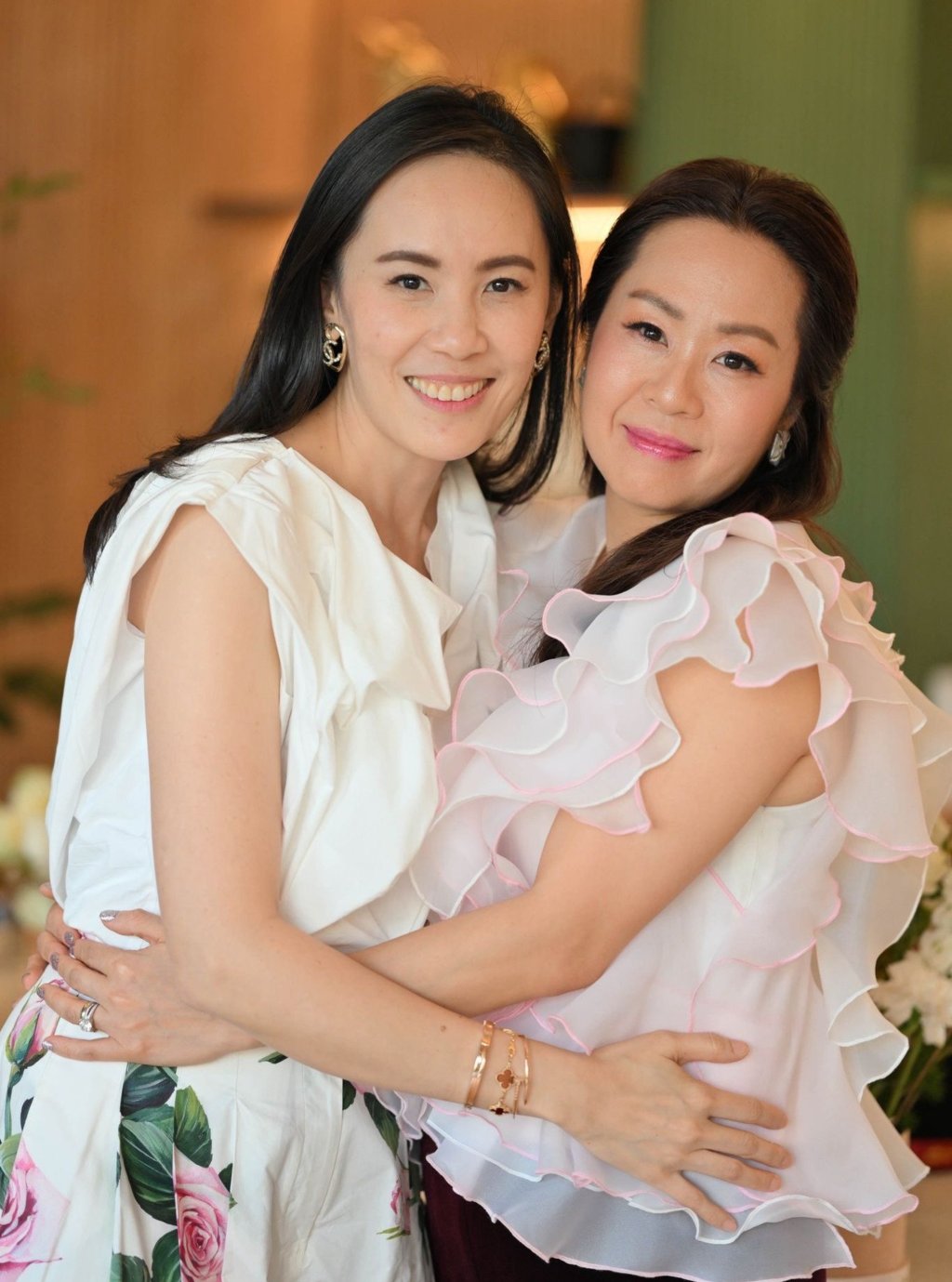
On a Sunday morning at the start of this month, five friends from Bangkok entered the marble lobby of theStudio City HotelIn Macau – a destination more famous for its gambling tables and entertainment performances than for health examinations.
Rather, they were going toiRad Hospital, located within the resort complex, for a session of beauty treatments and wellness activities.
The women—Kwaisun Panchasarp, Nantanat Tejavibulya, Buyasakorn De Jesus, and two friends—were in town with their families to watch the NBA Games and have their first vacation together since the pandemic.
Are you curious about the most significant issues and developments happening globally? Find the solutions withSCMP Knowledge, our latest platform offering handpicked content including explainers, FAQs, analyses, and infographics, presented by our acclaimed team.
I didn’t plan to visit iRad at all,” said Nantanat. “I had read about it online and believed it would be a pleasant ‘me time’ for us.
Kwaisun, who is also a client at iRad’s Hong Kong facility, mentioned that she was impressed by the peaceful and friendly atmosphere of the Macau branch.
We simply wanted to unwind and receive some treatments,” she mentioned. “Whenever we visit Macau, we typically appreciate the cuisine and the ambiance — but now we also have iRad.
If officials and investors in southern China have their say, informal medical and health-related shopping trips such as this may soon become widespread across theGreater Bay Areaas the area evolves into a multinational center for medical and wellness travel.
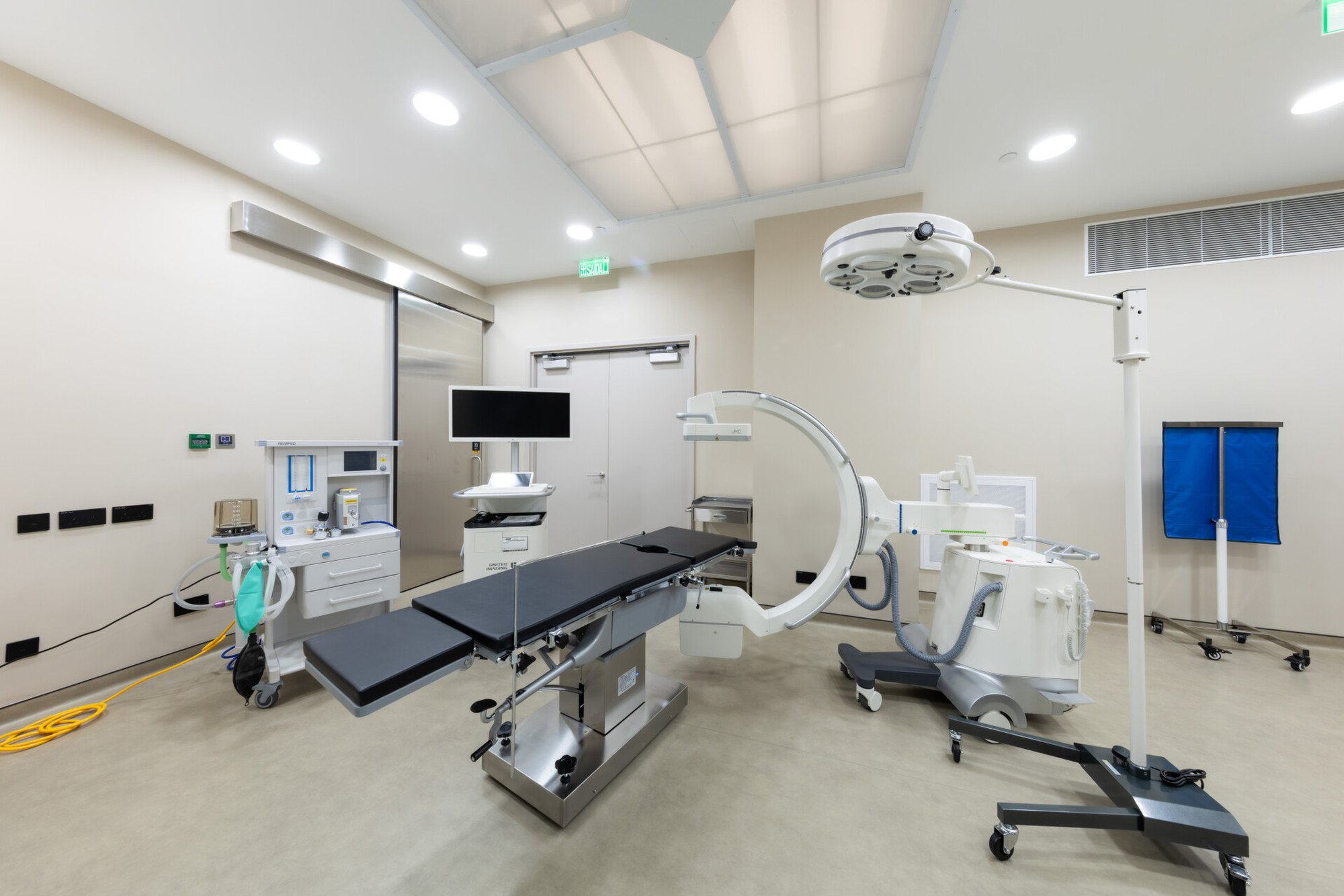
Leading this transformation is iRad Hospital, the world’s first medical resort that combines various healthcare services. The 15,000 sq ft clinic includes MRI and CAT scanners along with non-invasive beauty treatments like the Xerf radio-frequency skin-tightening system from South Korea – a service that remains uncommon in the city.
“Our benefit is that iRad in Macau is situated within a resort complex, attracting numerous visitors,” said Dennis Tam, honorary chairman of iRad and president and CEO ofBlack Spade Capital, the family office of a billionaireLawrence Ho Yau-lung.
For instance, a couple staying here might have the husband head to the casino while the wife explores the hospital,” he said. “It’s perfect for a family—the children could visit the water park while the parents enjoy the spa together.
Black Spade – which took over as iRad’s largest shareholder in 2021 – is also one of the groups that holds Ho’s shares in Melco Resorts & Entertainment, the company behind Studio City and another.Macau’s six casino concessionaires.
Macau’s “1 + 4” economic development plan, introduced by the government to limit gaming’s share to under 40 percent of gross domestic product, highlights health and wellness as one of four emerging growth areas, along with finance, technology, and culture.
The long-term goal is to promote medical tourism, including health screenings and cosmetic treatments,” Tam stated. “Macau already attracts tourists – now we are offering them new motivations to return.
As per the Macau Statistics and Census Service, the number of visitors is projected to hit 39 million in 2025, almost equaling Japan’s anticipated 40 million. Authorities anticipate tourism expenditure to exceed pre-pandemic figures this year – fueling optimism that wellness and beauty services might soon emerge as a significant non-gaming income source.
The city’s charm is not solely due to its resort facilities but also because of its location near the large bay region, connecting Hong Kong and Macau with Guangzhou, Shenzhen, Zhuhai, Foshan, Huizhou, Dongguan, Zhongshan, Jiangmen, and Zhaoqing.
The area has a population of approximately 86 million and is quickly emerging as a pilot site for China’s healthcare integration, merging Hong Kong’s medical knowledge, Macau’s service infrastructure, and the mainland’s vast size and governmental backing.
Although Hong Kong and Guangzhou continue to be the region’s top two medical centers—tackling health issues at the highest level in China and, in certain fields, worldwide—other cities on the mainland and Macau were quickly following suit, according to Hu, as they promoted their medical standards internationally and demonstrated the region’s increasing proficiency.
For investors like Black Spade, iRad’s blended approach—combining medical diagnostics with wellness in a recreational environment—might serve as a template for other locations across the Greater Bay Area.
“We regard it as a connection between tourism and healthcare,” Tam stated.
Asia makes up 60 percent of the global population, and the mix of increasing wealth, an aging population, and long-term health issues is driving what the Boston Consulting Group predicts will be a $5 trillion healthcare market by 2030.
However, the region still drew only roughly a fifth of global healthcare investment, as reported by BCG, indicating significant potential for growth. For companies like Black Spade and China’s Fosun Health, this disparity presents a chance.
“Southeast Asia has the strongest connections with the Greater Bay Area,” stated Frank Hu, chairman and CEO of Fosun Health, which is part of Shanghai Fosun Pharmaceutical.
He mentioned that numerous countries in the area are experiencing a lack of doctors and modern medical equipment, leading patients to seek treatment overseas. The Greater Bay Area, he further noted, is prepared to address this issue.
Hu pointed out that Indonesia experienced a lack of healthcare workers, with only 0.6 to 0.7 physicians per 1,000 individuals.
As per a 2024 PwC report, the ratio varied from 2.4 to 3.8 across the nine cities in the mainland’s Greater Bay Area.
Their climates are quite comparable, and patients can adjust to the environment here with ease,” Hu added. “Hospitals in the Greater Bay Area may also gain advantages from reduced flight times from major cities in Southeast Asia.
Fosun Health currently manages four hospitals located in Foshan, Shenzhen, Guangzhou, and Zhuhai, each focused on catering to an international patient base.
The main facility, Chancheng Hospital in Foshan, which has been operating for 60 years, provides general and specialized medical consultations, robot-assisted surgery, and advanced cancer treatments at about half the cost of similar services in Hong Kong.
The hospital has recently implemented the M6 CyberKnife, a robotic radio surgery system that delivers tumours with sub-millimetre accuracy, along with Da Vinci and orthopaedic surgical robots and CAR-T cell therapy.
“Technological innovation, knowledge, and the capacity to provide top-notch, cost-effective healthcare services are important to us,” Hu stated.
The regulatory landscape is also changing to benefit companies like Fosun and Black Spade. In 2023, Chancheng joined several hospitals in the Greater Bay Area that were granted permission to use Hong Kong-registered pharmaceuticals and equipment—totaling 22 new medicines and medical devices—as part of an initiative aimed at aligning healthcare standards throughout the region.
Financial integration is not far behind.
In May of this year, the hospital also collaborated with Prudential Hong Kong, enabling policyholders to pay bills directly, eliminating the necessity for initial payments or claims for reimbursement.
This integration, according to analysts, was part of a broader initiative to create a smooth healthcare experience across the Greater Bay Area.
Hong Kong operates with a dual system, where there is a noticeable difference in quality between public and private healthcare,” Hu stated. “If Hong Kong residents want high-quality care at reasonable prices, they will turn to the mainland. As more people receive top-notch medical treatment in cities on the mainland, this will create positive word-of-mouth. The full integration of the Greater Bay Area’s medical market is inevitable.
That energy is already spreading across the border.
As per Jennifer Song, a senior equity analyst at Morningstar, the introduction of iRad in Macau signifies a “milestone” in the area’s “big health” goals.
Casinos and hotels, due to their large number of visitors, make perfect locations for health and beauty clinics in Macau,” Song stated. “Nevertheless, since Macau’s integrated resorts have primarily concentrated on the gaming industry, setting up a new healthcare division will involve developing operational skills and hiring experts in the field.
Other challenges still exist. Mainland visa restrictions and language difficulties continue to discourage certain Southeast Asian patients, according to Prudence Lai, a consultant at Euromonitor International.
Obtaining a visa can often be one of the main challenges,” she mentioned. “In order to draw in Asian tourists seeking medical treatment, service providers must adapt their offerings and communication strategies to suit various markets.
The appeal of advanced medical technology is expected to help address some of these challenges, as healthcare providers in the Greater Bay Area are already vying with cutting-edge devices and pricing.
In Macau, at iRad, the appeal for Thai patients was a high-quality service such as the Xerf machine, a non-invasive radio-frequency device used for skin tightening.
The Xerf device originates from South Korea, and currently, only a limited number of clinics provide this treatment,” stated Clara Do, head of international business at iRad. “This marks the first occurrence in Macau.
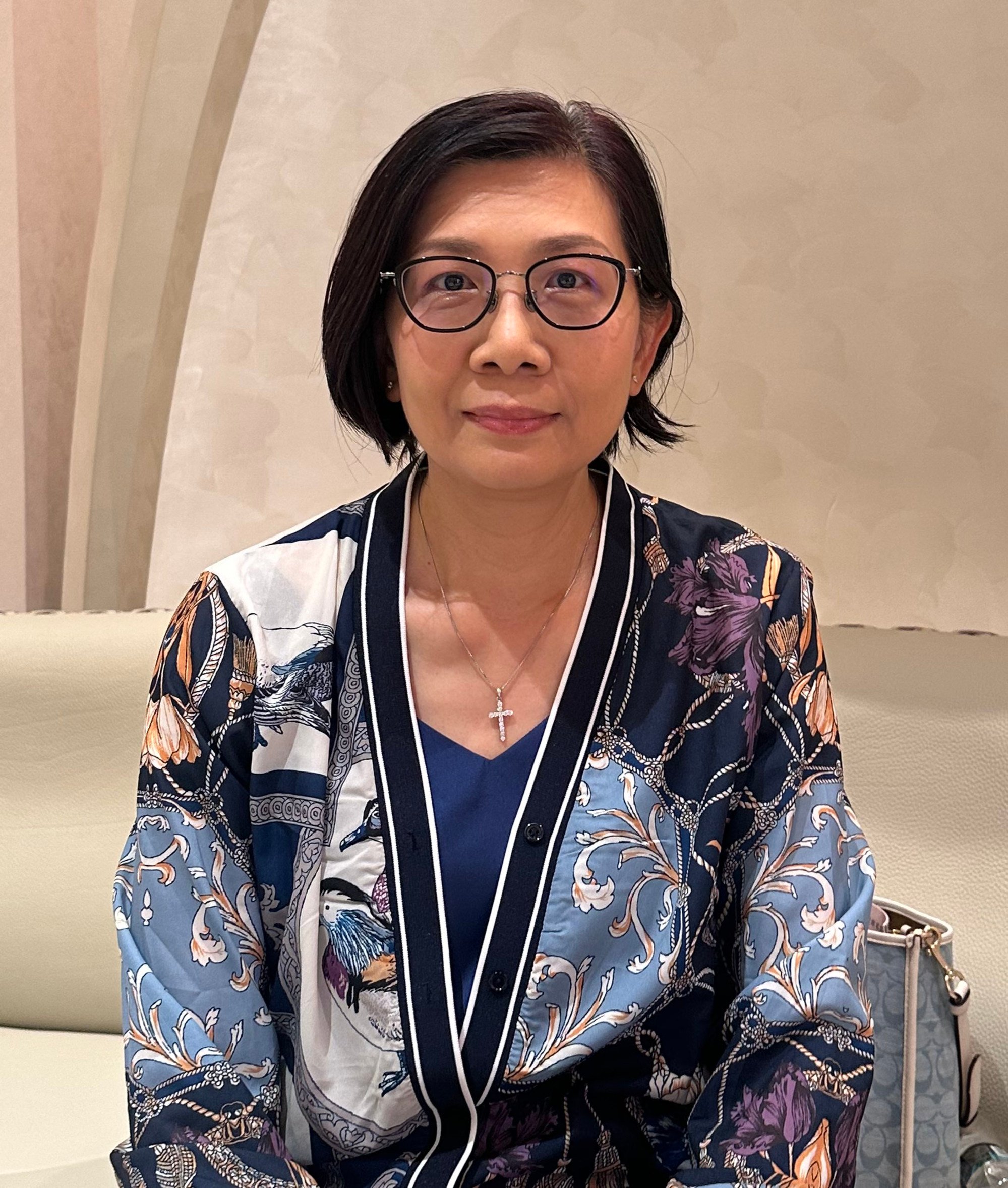
Ming Lee, a lawyer in her 50s based in Hong Kong, was in Macau for relaxation and leisure when she also underwent a 3D mammogram at iRad.
I am also a patient at iRad in Hong Kong, so when I found out they opened a new hospital in Macau, I was interested in experiencing their services here,” Lee said. “It appeared to me that the equipment here is more advanced compared to what’s available in Hong Kong.
Previously, Hong Kong citizens looking for comparable preventive check-ups may have gone to hospitals like Bumrungrad International in Bangkok, which has long been seen as a pioneer in medical tourism across the region.
For Lee, the ability to access similar technology with a brief journey across the Hong Kong-Zhuhai-Macau Bridge suggests that the balance of convenience in Asian healthcare is beginning to change.
Similar to the Thai patients, Lee found the Macau environment more soothing for diagnostic procedures. “In Macau, you can unwind and take in the casinos while also undergoing medical check-ups and beauty treatments – all in one place,” she mentioned. “You can accomplish all these things in a calm state of mind.”
Since one Hong Kong dollar is generally worth more than one Macau pataca, Lee mentioned that she also considered the prices to be advantageous.
For decision-makers, financiers, and patients, these experiences suggest how the Greater Bay Area’s concept of cross-border healthcare might develop — with Macau serving as its most prominent example. For travelers like Lee, it offers a more relaxed kind of luxury: a mix of health examination and short getaway.
Once a city known for fortune, the current situation leans towards a new form of investment—measured not by big wins, but by extended, healthier lifespans.
More Articles from SCMP
This piece was first published in the South China Morning Post (www.scmp.com), a top news outlet covering China and Asia.
Copyright (c) 2025. South China Morning Post Publishers Ltd. All rights reserved.




 jasdooit
Leave a comment