
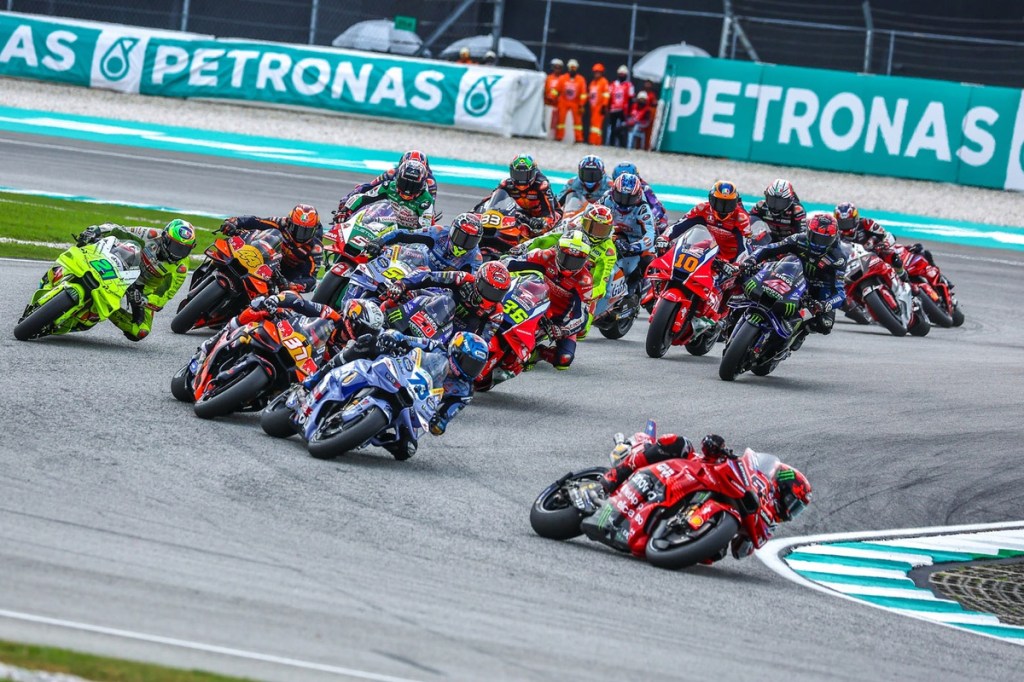
Marc MarquezDespite his absence, the Sepang event mirrored the early stages of the 2025 season.Alex Marquez was a fixture in the top two. The brothers from Cervera made their grip on the top two in the championship official. Francesco Bagnaiawas positioned at the front. It almost seemed like a ‘normal’ race.
Moderate rider conduct and a focus on preserving tires made it not particularly exciting in terms of entertainment. However, there was always a competition taking place somewhere, with underlying psychological tension. Here are six highlights from the MotoGP Malaysian Grand Prix weekend.
Second place in the championship carried significant importance for Alex Marquez.
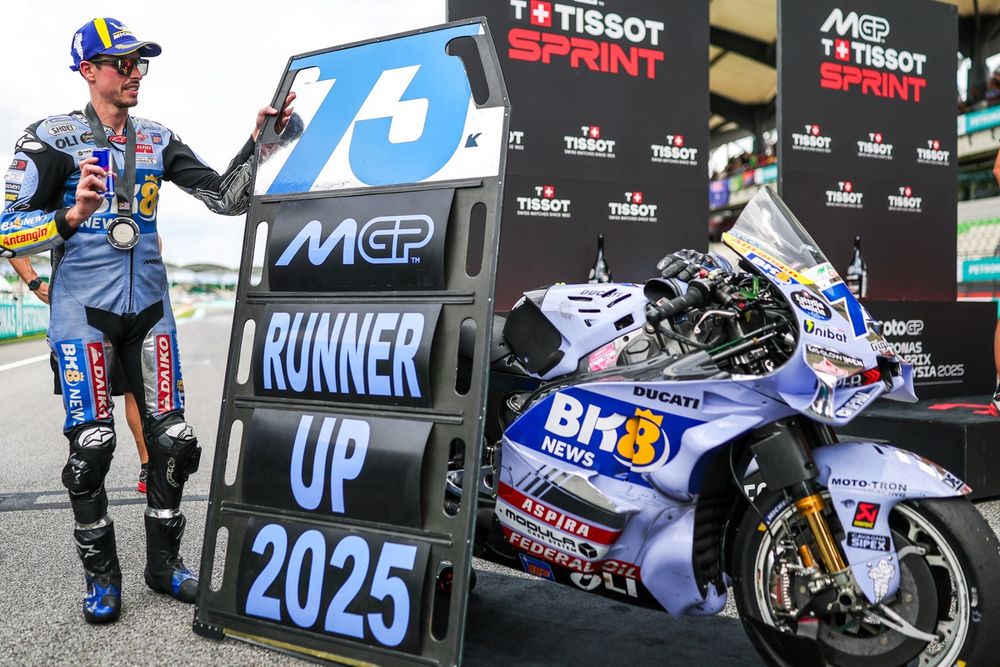
Trust us, Alex Marquez securing second place in the world championship, following his dominant brother, hasn’t led to a surge in online engagement this season. To some extent, it seemed unavoidable once Alex accumulated so many top-two results at the start of the year. Additionally, Bagnaia, the rider who should have made things challenging for Alex, lost his composure, making it almost certain for the younger Marquez. And partly because – though it’s tough to say – Alex Marquez isn’t Marc.
Alex didn’t really contribute to building excitement about his pursuit of second place throughout the season. In a competition where bravery and victory are everything, it’s not considered proper behavior anyway. However, it became clear that the runner-up position was actually affecting him personally – this was apparent after he secured second place in the sprint.
Every suppressed emotion was released, with Marquez confessing to significant anxiety during the race and experiencing emotional moments afterward. Being part of a legendary family sweep undoubtedly intensified the emotions, especially with Marc staying at home recovering from an injury. The siblings have now become members of one of sports’ most prestigious groups – it’s likely someone at Liberty is already planning a media event similar to the one involving tennis’s Williams sisters…
Read Also:
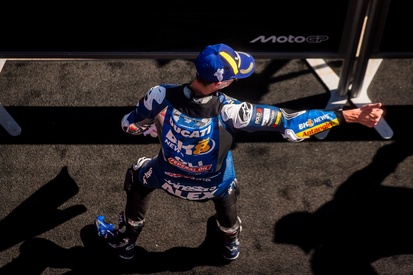
With the pressure lifted on Sunday, Alex put on a remarkable performance to secure a win. And thus, we discovered another small detail about him – he is capable of winning MotoGP races beyond Spain! Seriously, though, two of his three victories this season – this one and Catalunya – have occurred at circuits where he is already an established expert. To compete for championships over a season stretching longer than the Milky Way, he must elevate his performance at tracks where his results are not as strong.
Bagnaia’s highs and lows are maintaining the excitement in the MotoGP competition
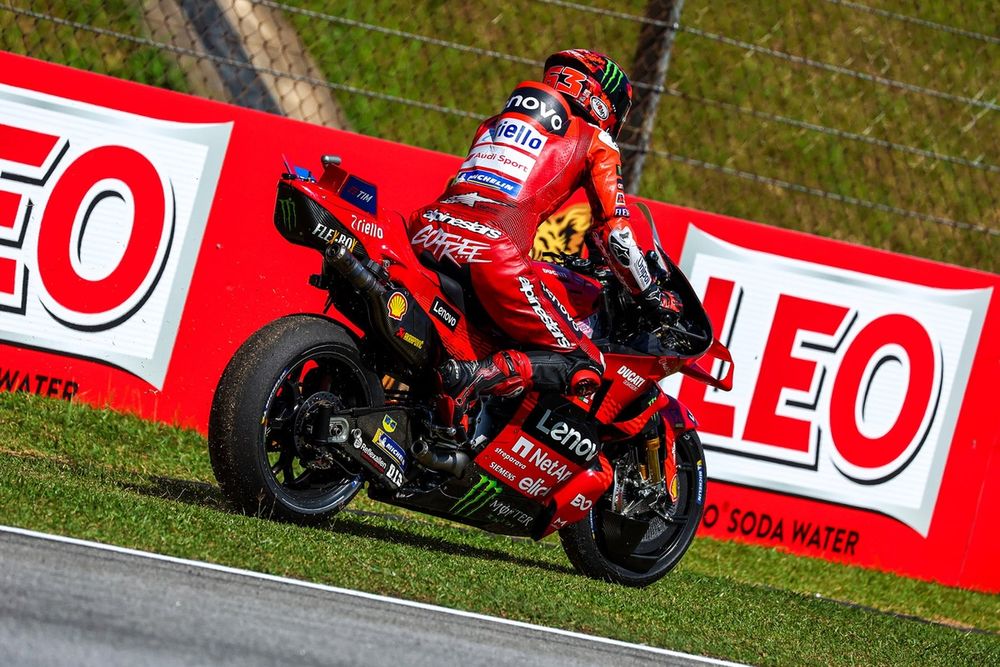
With Marc finishing the title in Japan, there was a risk that enthusiasm for the MotoGP season would fade with five race weekends remaining and the champion bedridden. However, Bagnaia’s astonishing flyaway tour arrived at the perfect time—and you still can’t take your eyes off it for fear of missing what comes next.
Gathering all 37 points in Japan, supporting the field in the following two events, and then coming back to victory in Malaysia? Even before the era of telemetry and large-scale data analysis, this would have been highly unlikely. Now that information overload is a part of sports, significant and abrupt performance changes in any direction are nearly impossible – which is why Bagnaia’s struggles are so intriguing.
Read Also:
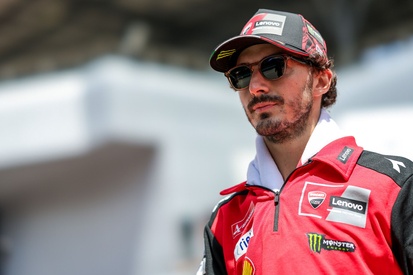
All the components for excitement and mystery are present. It’s a lot to ask us to accept that no one within the Ducati or Bagnaia teams has an answer. However, as races continue and Bagnaia’s unpredictable journey persists, the notion becomes increasingly believable. Either you trust they are confused, or you grow more certain that there is something significant being withheld from us.
If he had consistently struggled, many would likely attribute it to a decline in Bagnaia’s performance and self-belief by now. While uncommon in professional sports, it’s not entirely rare — golf, for instance, has its own examples. However, the occasional moments of excellence make that explanation less likely. It remains a puzzle that even ChatGPT hasn’t solved (so far).
As we move towards the last two chapters of Bagnaia versus the GP25, MotoGP can be grateful that mystery has a strong appeal. It also provides exciting background to the Bagnaia versusMarco Bezzecchicontest for third place in the tournament, which would otherwise be of little significance.
Pedro Acostais beginning to resemble the complete package
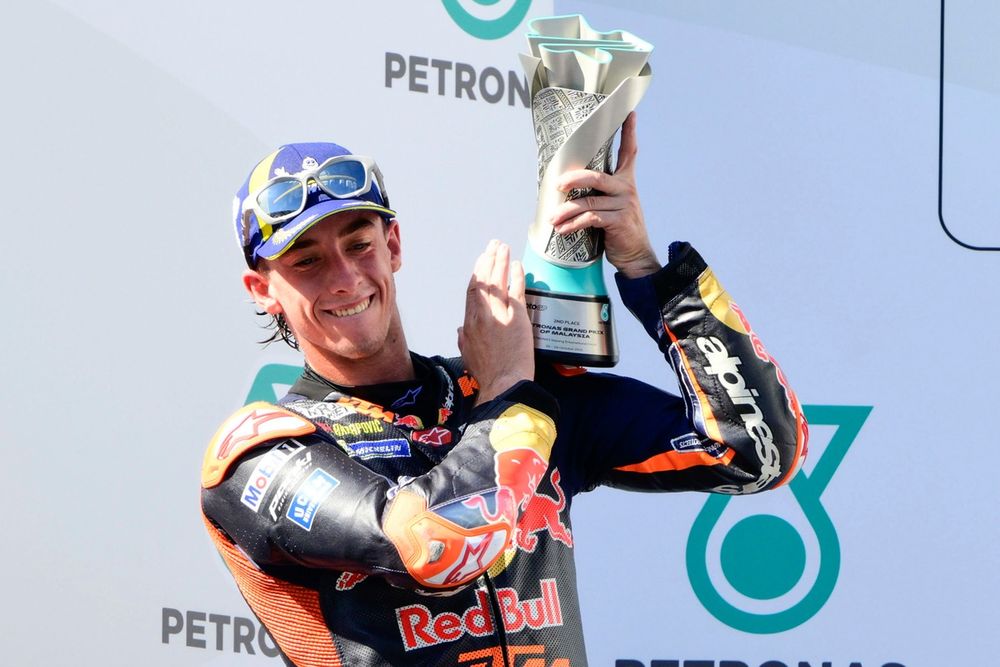
Recollections of a youthful, awkward teenager remain vivid, making it difficult to push them aside. However, we must let them go—and not only because Acosta has appeared much more mature as his 22nd year has unfolded. There is a far more significant reason—he is no longer performing like a young rookie.
In 2024, Acosta displayed raw speed and potential, but little else. That was acceptable for a newcomer. However, his second season began poorly, as he struggled with the motorcycle and whispers circulated that he was attempting to break free from his factory KTM deal. Once that issue was resolved a few races in, Acosta appeared to gain some additional concentration. The machine came back from the summer break more competitive, which provided him with another surge – although it also caused him to push past his limits occasionally.
The one-year anniversary of his two crashes from pole position in Japan appeared to signal a move toward a more mature, well-rounded, and professional Acosta. It’s unclear which self-improvement books he has been reading, but he hasn’t hesitated to talk about his increased maturity during interviews. More importantly, he has supported these claims with his performance on the track.
It’s true that the crashes haven’t completely gone away – although in Malaysia, it was evident that he experienced his accidents during practice, and they were all low-speed incidents. However, twice during the Asia-Pacific tour, he managed to secure results using a tire-wearing RC16 in a scholarly manner – first at Mandalika and now at Sepang.
His account of the latter race—where he instructed the team to disable specific rider assistance systems and let him handle tire degradation in a traditional manner—also indicated that he has evolved into a self-assured leader who remains committed to his technical beliefs and can effectively direct the pit crew. This version of Acosta is truly intimidating in terms of his potential.
Aprilia’s RS-GP isn’t effective at all tracks, after all
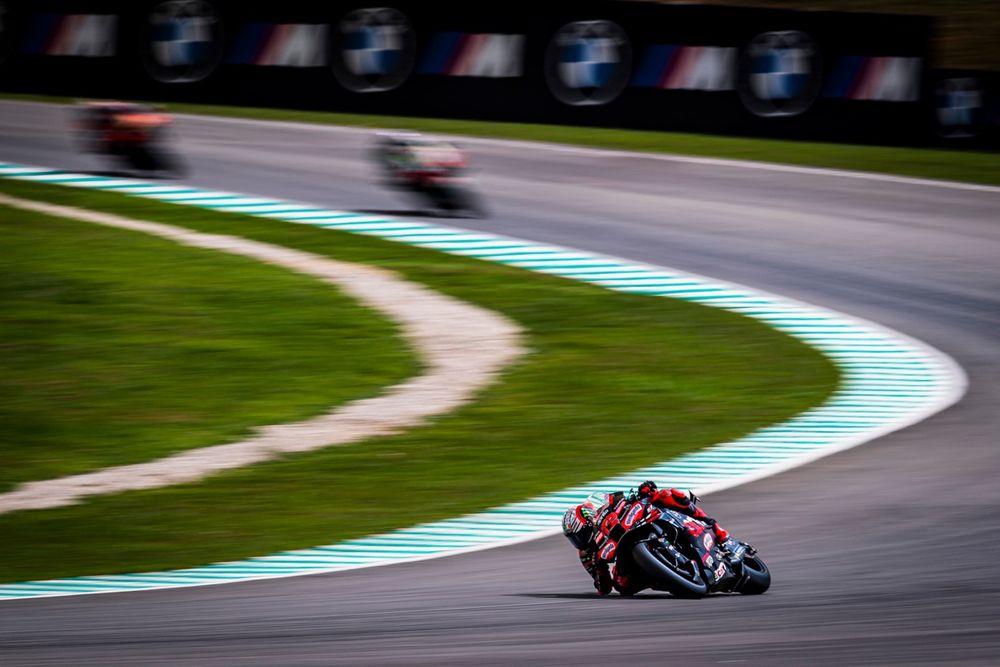
The MotoGP Aprilia was once dominant at venues such as Silverstone and Barcelona, but struggled at most other circuits – especially those outside Europe. Bezzecchi’s steady performance since Le Mans, along with Raul Fernandez’s victory for Trackhouse in Australia, led many to believe the RS-GP had become a well-rounded machine. It didn’t dominate completely at the Circuit de Catalunya, so the extreme highs were gone, but it was expected to be a strong contender everywhere… somewhat similar to a particular bike from Bologna.
Hmm, not exactly. Sepang put an end to the idea that Aprilia has replaced Ducati (let’s avoid discussing GP24s and GP25s…) as the preferred machine for any particular circuit. All the riders faced difficulties – and they mentioned later that they expected it. After all, the bike didn’t perform well on the track during the February test. And indeed, even with completely different track conditions in October, the improvements made over the past few months weren’t evident here.
Read Also:
Perhaps Sepang simply isn’t fond of Aprilias. That winter test is whereJorge MartinThe list of injuries started, after all — and Fernandez also got hurt around that time. However, as always during a long season, it’s important to keep things in perspective. The Noale brand would have secured three strong victories out of four before heading to Japan, and if the factory is left with just one challenging circuit, that’s something worth being pleased about.
Honda is now able to challenge in the MotoGP performance race
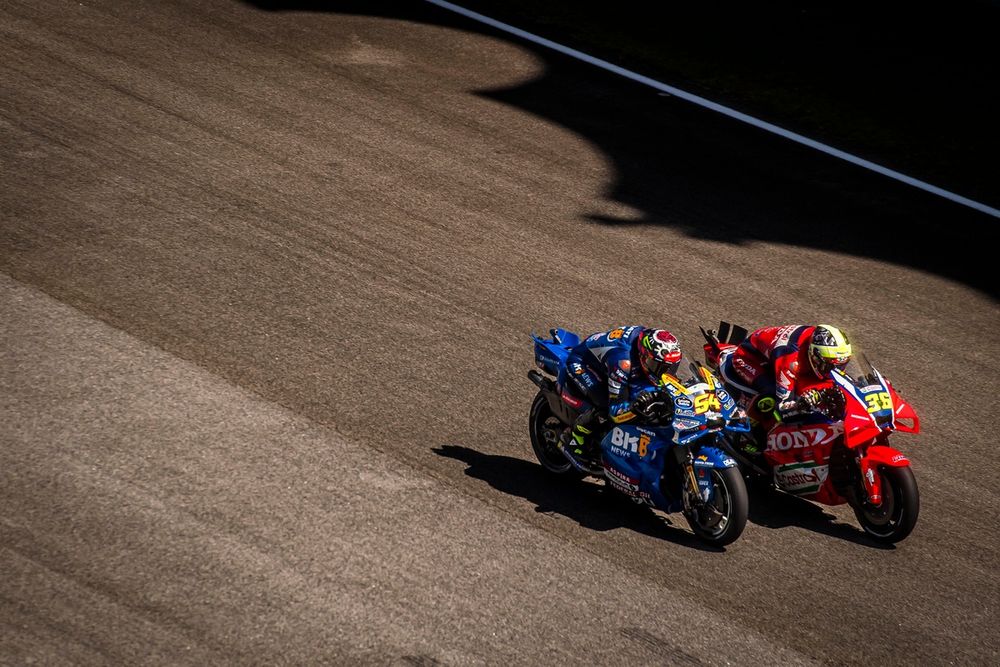
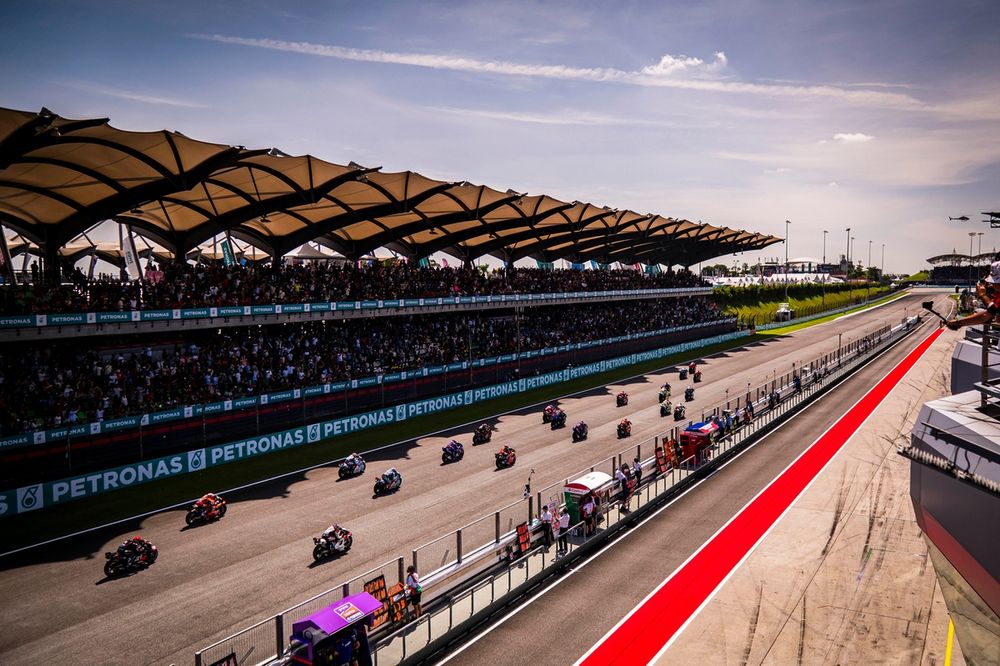
As the second lap of the Malaysian GP concluded and the third lap commenced, one of the more notable engineering moments in modern MotoGP took place.Fermin Aldeguer and the attacking Joan Mirleft the last hairpin turn side by side and initiated a drag race along the straightaway.
Standard belief suggested that a Ducati – even a GP24 – would easily outpace a Honda in such a race. However, Mir was the one who leaned into the first corner first. This could have caused some suits in Bologna to choke on their morning cappuccinos.
Both Japanese manufacturers, Honda and Yamaha, were battling for top speed at the start of the season. Rewind to the third round at Austin, where speed trap figures showed the Hondas averaging around 5km/h slower than Bezzecchi’s Aprilia, with most of the Ducatis somewhere in between. But Honda has been chipping away since then – and the Aldeguer moment graphically highlighted how it had moved towards the top of the charts.
Additional scientific proof that this was not merely an exceptional corner exit is found in the fact that Mir, averaging his top five speeds, was the fastest through the trap during the race. He also achieved the highest speed of 333.3km/h – a record that he shared perfectly with Bezzecchi.
Although power is always a subject that requires careful handling, given the numerous elements involved, there has been sufficient proof from recent competitions to indicate that Honda is now among the top contenders in this area.
Read Also:
Yamaha’s V4 still has a lot of progress to make
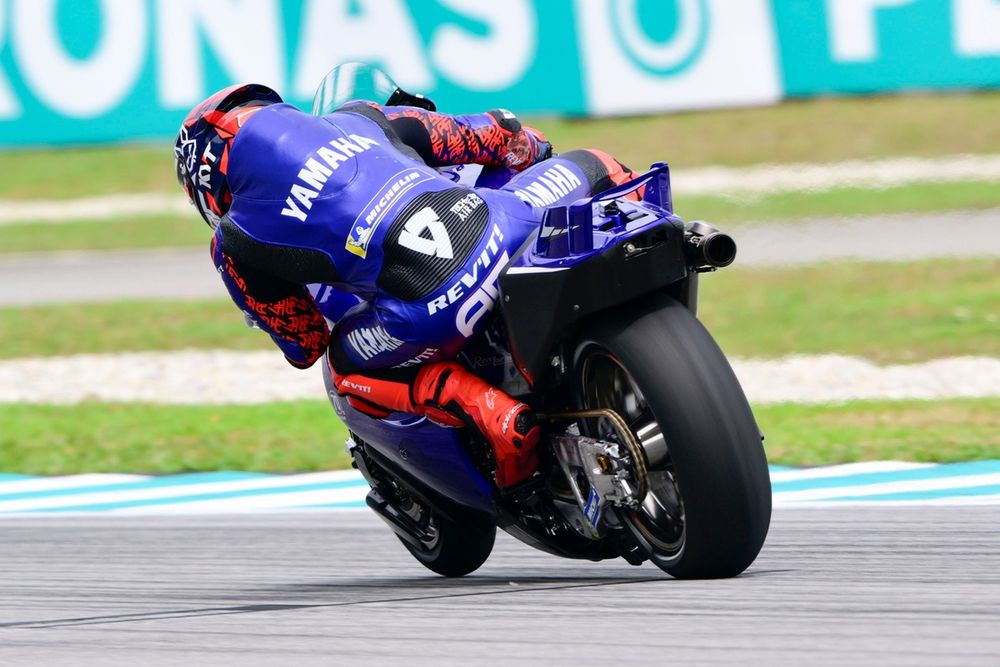
At the other Japanese MotoGP manufacturer, it is difficult to find comparable signs of optimism. Most concerning is the fact that the new V4 project has not made any progress since its debut at Misano over a month ago.
Sepang was the bike’s second test ride by the professional rider.Augusto Fernandez. No one anticipated it would be fast in Italy, considering it was still near the beginning of its growth phase. However, if you’re going to use rapid growth curves to account for performance, you must also consider a major leap between two races that occurred several weeks apart.
Here are the statistics. At Misano, Fernandez secured a position over one rider,Somkiat ChantraIn Malaysia, he finished last in the lineup, behind Chantra as well as the test riders from Aprilia and Ducati, who did not compete at Misano.
In the San Marino race, excluding riders who crashed, Fernandez beat only Chantra. He finished that race 61.504 seconds behind winner Marc Marquez, but received a double long lap penalty for a false start. In Malaysia, once again ignoring those who fell, he finished last—closer to the winner by 47.060 seconds but without any penalties.
The V4 engine also recorded the lowest top speed in the five-lap average race. His 325.3km/h was not as impressive as the inline four, which he was piloting.Fabio Quartararowas recorded at 332.3km/h. To be generous, the latter could be viewed as an exceptional result for Yamaha, withAlex Rins and Miguel OliveiraHis examples are only a few clicks faster than Fernandez.
Nevertheless, in a series where manufacturers battle for months to gain half a second, will there be any progress along this development curve? Is the V4 a failure? Or is its incredible potential being hidden because the bike is still operating in ‘safe mode’? You decide.
Read Also:


 jasdooit
Leave a comment