
Supported by its sovereign wealth fund, which holds almost $1 trillion, Saudi Arabia is investing in its new artificial intelligence company, Humain, stepping into a fiercely competitive industry that some believe is a bubble on the verge of collapsing.
The company, which began operations in May, is supported by Saudi’s influential Public Investment Fund, which has been crucial in funding the kingdom’s so-called gigaprojects — large-scale initiatives designed to enhance and diversify its oil-dependent economy.
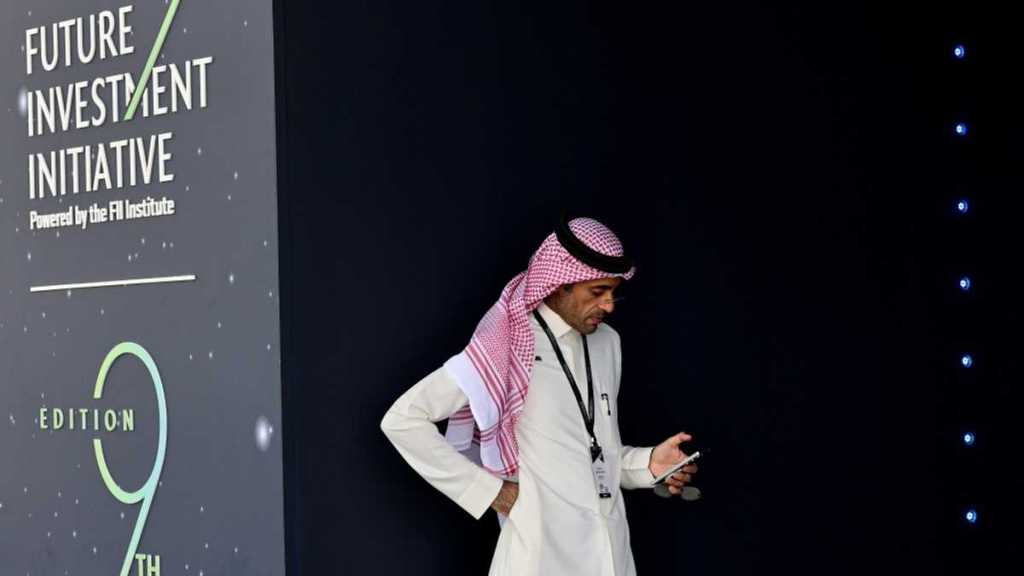
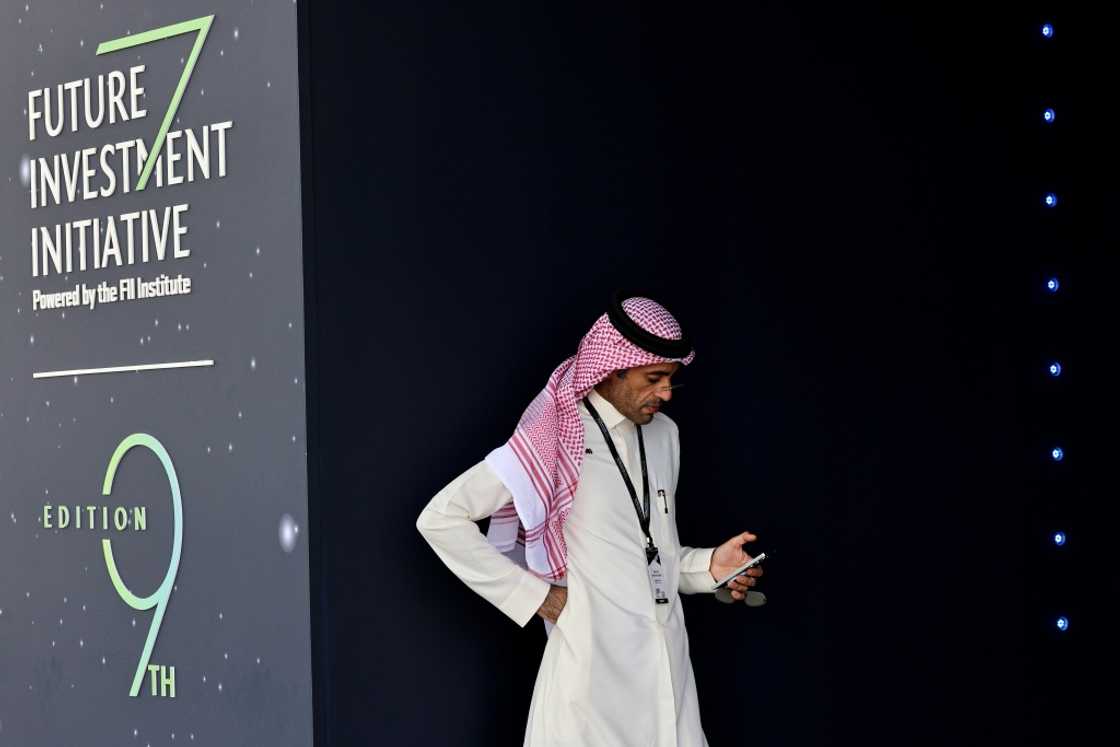
This week, Humain finalized several agreements at the Future Investment Initiative conference (FII) in Riyadh, where its CEO reaffirmed the objective of Saudi Arabia emerging as the third-largest supplier of AI infrastructure, following the United States and China.
However, Riyadh’s aspirations to emerge as a global center for artificial intelligence encounter strong rivalry from the neighboring United Arab Emirates, which has been focusing on AI development for many years, along with obstacles in obtaining advanced American technology, such as high-performance chips.
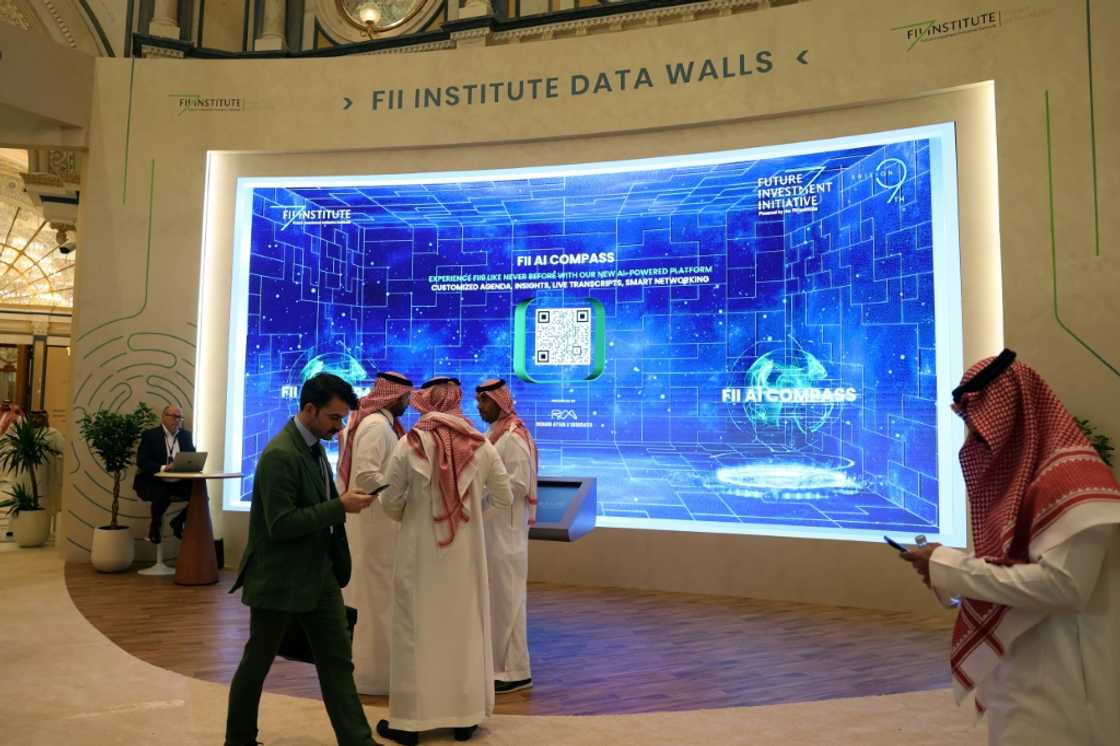
“Our goal is truly enormous,” Tareq Amin, CEO of Humain, said to attendees at the FII conference.
Humain has pledged to provide a diverse array of AI services, products, and tools, alongside a robust Arabic large language model.
In August, the company launched its first Arabic chatbot, which claimed to understand the various dialects of the language while also respecting Islamic principles.
Deals
On Tuesday, the state-owned oil company Saudi Aramco revealed intentions to purchase a “substantial minority share” in Humain, aiming to expand its activities and “speed up its development in the artificial intelligence field,” as stated in a shared press statement.
Aramco’s President and CEO Amin Nasser expressed great enthusiasm for the possibilities of AI, stating that the technology and digital transformation could potentially double the output of an oil well.
Humans also entered into a $3 billion agreement with BlackStone’s AirTrunk, a private equity company, to establish data centers in Saudi Arabia and reached a deal with the US semiconductor manufacturer Qualcomm.
For Robert C. Mogielnicki, a senior resident scholar at the Arab Gulf States Institute in Washington, Humain, similar to other “emerging” Saudi technology companies, aims “to convince audiences that the kingdom’s technological aspirations are genuine, achievable, and thrilling.”
“The rapid speed of the technology agenda in the adjacent UAE, a major regional investment center, increases the necessity to undertake this,” he further noted.
‘Our goal’
Global expenditure on AI is rapidly increasing, with total investments projected to hit almost $1.5 trillion in 2025, as reported by the U.S. research company Gartner.
The two biggest economies in the Gulf, Saudi Arabia and the United Arab Emirates, are competing to gain access to American technology.
Oil-producing nations hold a benefit in the competition to develop large data centers — providing plenty of land, plentiful energy resources, and easy access to funding together with support from government officials.
But many challenges remain.
“The capital of the kingdom holds little significance if it lacks approval from Washington to acquire the advanced chips essential for its data center goals — whether for training or running AI,” Vivek Chilukuri, a senior fellow at the Center for a New American Security, told AFP.
Chilukuri mentioned that Saudi Arabia is also experiencing a significant lack of AI expertise and is vying not only against “more established and better-funded American companies” but also with the UAE.
Other worries exist regarding the effects of artificial intelligence, as businesses worldwide are cutting tens of thousands of positions, with economic benefits still unclear.
The excessive spending has also brought back difficult recollections of the dotcom bubble in the late 1990s, when significant investments were lost.
Nevertheless, there was plenty of hope in Riyadh this week.
“It’s thrilling to be in this area right now, as there’s a lot of drive coming from the highest levels of government to take a leading role in AI,” said Adam Jackson, who leads CIQ’s Middle East operations.
“We are not participating in the AI competition,” said a female employee from Humain, who spoke to AFP under the condition of anonymity as she was not authorized to speak with the media.
We are present to compete with the US and China at the highest level. That is our objective and outlook.



 jasdooit
Leave a comment