
A study found that South Korea has 2,964 individuals working in quantum research, making up only 6% of the 48,875 researchers in China. In contrast to the United States and China, where leading researchers are spread between industry and academic sectors, South Korea’s experts are excessively focused within academic institutions. There are worries that if the development and commercial use of quantum technologies, such as quantum computers, speed up, South Korea might face challenges in maintaining its competitive edge.
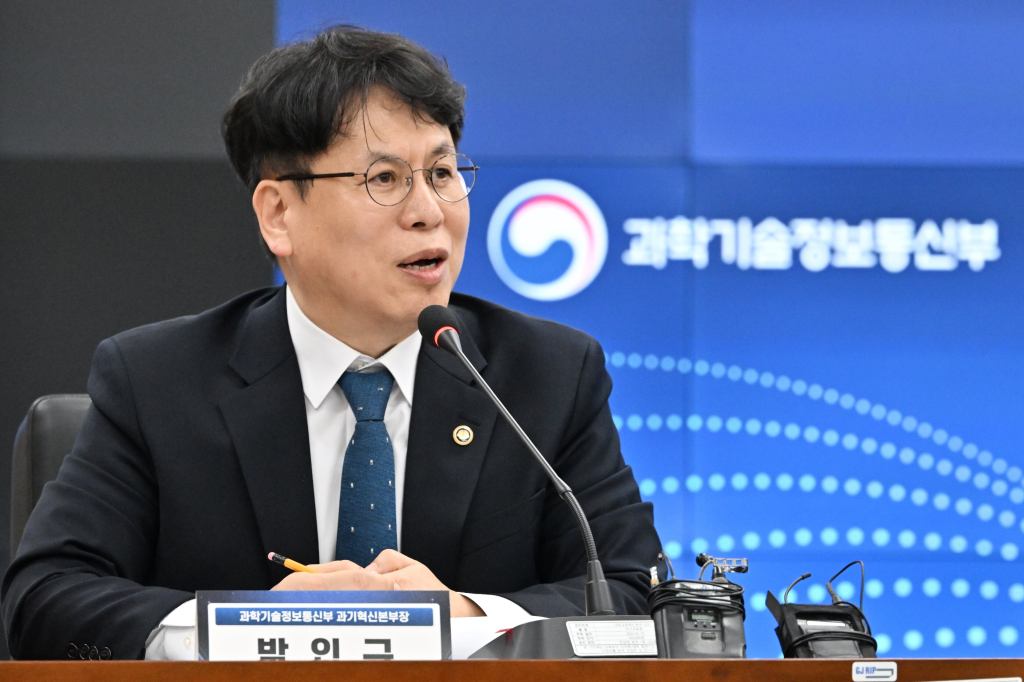
The Ministry of Science and ICT released these statistics on the 30th as part of the “Global Talent Map Analysis Plan for National Strategic Technologies,” which was examined and endorsed by the Future Talent Special Committee. The committee functions under the National Science and Technology Advisory Council. This global talent map, the first of its kind created by the ministry, evaluated quantum-related research papers from 2015 to 2024 to determine the location of critical expertise.
As per the analysis, South Korea has 1,330 researchers specializing in quantum computing, which is roughly 7% of China’s total of 19,974. The United States had 8,956 researchers, while Japan had 2,655. In the field of quantum communication, South Korea has 792 researchers, which is less than China’s 12,898, the United States’ 5,690, and Japan’s 1,510. Regarding quantum sensing, South Korea has 842 researchers, compared to 16,003 in China, 6,972 in the United States, and 1,738 in Japan.
After accounting for population size, the share of quantum researchers in South Korea was considered similar to that of the United States and Japan. The Ministry of Science and ICT stated, “In terms of global rankings, South Korea is ranked 10th in quantum computing and approximately 12th in quantum communication and sensing. The net number of foreign researchers entering South Korea was 21 in quantum computing, 10 in quantum communication, and 16 in quantum sensing.”
The ministry stated, “Significantly, China and the United States made up more than half of the world’s top 10% most-cited researchers, with this concentration becoming more pronounced among the top 1%.” It pointed out that the top 1% researchers in the United States were mainly from the private sector (such as Google, IBM), whereas China and Europe had substantial presence in both academic and industrial sectors. Conversely, South Korea’s top 1% researchers were largely found in academia.
The Future Talent Special Committee also examined and endorsed the “Analysis Results of Industrial Demand for National Strategic Technology Talent,” which looked at 9,281 job advertisements from 2,389 companies between 2017 and August 2024. The study revealed the greatest need for positions in AI application development, followed by data design and implementation, as well as specialized model creation for AI data categories.


 jasdooit
Leave a comment