
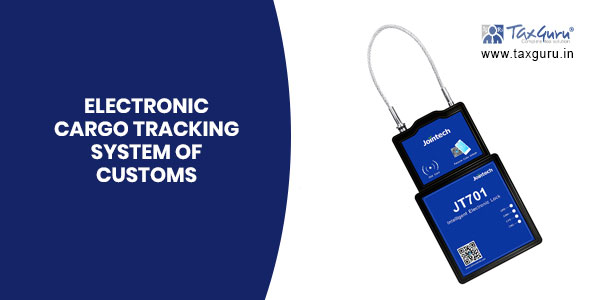
The Apapa Area Command of the Nigeria Customs Service announced the launch of the Electronic Cargo Tracking System, a digital advancement designed to improve national security, increase revenue collection, and support smooth trade operations at Nigerian ports.
The command’s Public Relations Officer, Tunde Ayagbalo, revealed this in a statement released on Wednesday, as reported by The PUNCH.
“The initial stage of the project was carried out with a container allocated for the Kano/Jigawa Area Command on November 5th, 2025, representing the first hands-on use of the technology for real-time tracking of goods,” the statement mentioned.
During the launch, Emmanuel Oshoba, the Customs Area Controller overseeing Apapa Command, referred to the ECTS as a strategic advancement that facilitates real-time tracking of cargo from its origin to the final destination.
“The system employs electronic seals and portable devices to monitor containers, ensuring openness, preventing interference, and stopping the unauthorized movement of goods during transport,” he stated.
Oshoba mentioned that Apapa Command is acting as the trial phase for the countrywide implementation of the program, and the technology will significantly cut down on the requirement for on-site escorts, “As customs officers can now track cargo movement electronically.”
The CAC also praised the vision of the Comptroller General of Customs, Adewale Adeniyi, highlighting him as an administrator committed to reform who has continuously supported automation and new ideas.
He pointed out that the ECTS is already in use in many countries, and as the present Chairperson of the World Customs Organisation, the CGC has made sure that Nigeria implements comparable modern tools to enhance its trade conditions.
The leader of the B’Odogwu Implementation unit at Apapa Command, Aondona Fanyam, further clarified that the container stays sealed until it arrives at Kano Command and can only be opened after verification of the necessary authorization at the destination.
He mentioned that the ECTS offers three reliable ways to open a container, “remotely through the central control system, locally using an authorized handheld device like a mobile phone employed by trained officers, or by utilizing a physical unlocking card created specifically for use at the destination.”
Fanyam mentioned that these multi-layered access choices are included in the system’s inherent protections to stop unauthorized interference or manipulation while in transit.
“The mix of remote control, handheld verification, and a physical card guarantees that only authorized individuals can release the cargo, enhancing cargo integrity and boosting overall security and revenue protection,” Fanyam said.
The head of the training unit, Rosemary Ebele Wenceslas, who holds the position of Customs Superintendent, mentioned that the agency has trained a total of 12 officers involved in the initial phase of the ECTS program.
“The team consists of members from the Rapid Response Unit of the Federal Operations Unit Zone A in Ikeja, as well as the Enforcement Team from the Apapa Area Command. The officers have received thorough training to ensure they are completely ready to handle and use the new tracking technology effectively. All Standard Operating Procedures concerning the ECTS have been clearly explained to them, facilitating the smooth execution of the project,” Wenceslas stated.
Wenceslas pointed out that with the expertise and technological skills they have gained, the officers are sufficiently prepared to utilize the devices efficiently, ensuring that the pilot phase meets its goals of improved cargo tracking, security, and trade efficiency.
The Apapa Area Command, part of the NCS, is based in the Apapa port area of Lagos and functions as one of the organization’s most essential operational divisions.
Situated at the nation’s most active port, it oversees import and export operations for a significant amount of Nigeria’s maritime trade and has been referred to as the “entrance point to Nigeria’s economy” due to the high volume of goods it processes.
The command is headed by a Customs Area Controller and is part of the larger framework of the NCS, which is responsible for collecting revenue, streamlining trade, and combating smuggling.
In recent times, Apapa Command has achieved remarkable financial results alongside implementing significant trade-enhancing and anti-smuggling initiatives.
Provided by SyndiGate Media Inc.Syndigate.info).



 jasdooit
Leave a comment