
Emagudugudwini, which translates to “in the woods,” is more than just a project name; it represents a revival of sound, color, and energy.
Curated by the creative Zwelani Ndebele, this artistic initiative unites rural and peri-urban artists from Figtree and Matobo (often written as Matopo), two regions rich with history and strength.
To the untrained observer, these regions might appear isolated and quiet. However, for those who pay attention, the silence comes alive with a beat, melody, and artistic expression, as there are numerous artists living in these areas.
For many years, the artists from the rural areas of Matabeleland have remained in the background of Zimbabwe’s creative sector, far from financial support, markets, and acknowledgment.
Emagudugudwini is redefining that story.
It presents art not as a luxury, but as a means of growth; the rural not as a cultural wasteland, but as a hub of creativity; and visibility not as an advantage, but as a fundamental right.
This initiative transforms the forest into a studio, an exhibition space, and a meeting point.
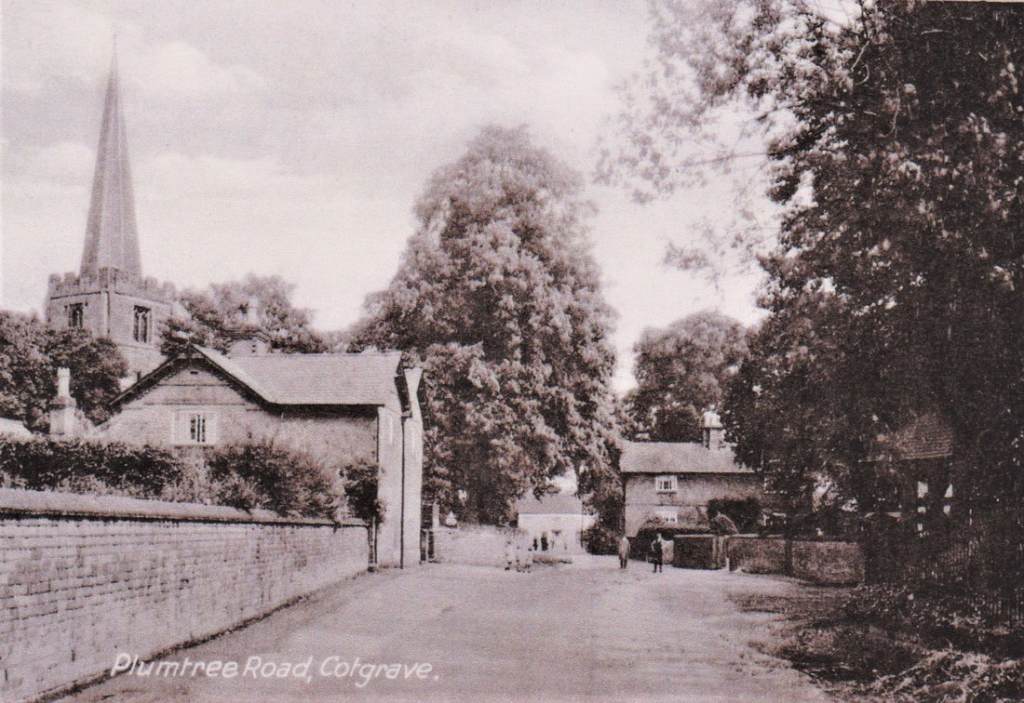
Journeying along the Plumtree Road, the main road linking Bulawayo to the western border, one sees not only the movement of trucks and passengers but also the subtle craftsmanship that exists just past the asphalt.
Curated by Ndebele, these artists gather in open spaces, porches, and community halls.
They create art, practice, discuss, and have meals together.
They generate work not alone, but through connection, reflecting an Ubuntu that connects art with society.
Among the numerous creative individuals in this network is Nkiwane, a musician and storyteller specializing in ethno-folk guitar, who, despite being visually impaired, is well-known for his dynamic performances and vibrant personality along the Plumtree corridor.
His hands, worn but elegant, appear to draw melodies from the wood of his guitar, reflecting the murmurs of wind and rock.
If the stone retains the memory of our ancestors’ steps, then my strings echo those footprints.
Within that one metaphor is the essence of the project’s ideology: art as remembrance, as persistence, as a dynamic repository of past generations.
By means of his music, Nkiwane revives the oral traditions of the Ndebele people—stories about rain shrines, sacred hills, and communities that once sang under starry skies before urban movement changed their sense of self. His guitar serves as both a instrument and a form of expression.
“The stone remembers” portrays the Matobo terrain as a guardian of history, while “the strings are echoes” turns art into a spiritual link connecting the past with the future.
Nevertheless, artists such as Nkiwane encounter challenging circumstances.
Scarcity of exposure, limited infrastructure, and uncertain financial support.
Numerous skilled artists from rural areas remain unnoticed within the national creative industry, with their creations rarely being showcased in galleries, festivals, or on radio.
Here, Emagudugudwini serves as a vital link, a crucial pivot between the neglected and the noticeable, between solitude and acknowledgment.
It aims to transform what has been a cultural wasteland into a haven of opportunities.
The desert analogy is quite fitting.
Rural creative areas frequently seem to be regions lacking in resources, visibility, and prospects.
However, with this effort, the desert turns into a productive land.
Artists who previously felt “lost in the woods” now come together in a clearing, both physical and metaphorical, where creativity is expressed and the pace of the external world slows down to hear.
The opportunity for expansion is significant. Picture small chalets and artistic lodges situated within the granite embrace of Figtree and Matobo, constructed and decorated by local artists.
Visitors had the option to reside in these cottages, enjoy sunset shows by Nkiwane, and buy handmade ceramics, beaded items, and artworks.
Every space would function as both living quarters and an exhibition, with the accommodation itself being a piece of art. The tourist would not merely watch but live within the narrative.
Small roadside studios might emerge along Plumtree Road, each featuring colorful murals and basic signs encouraging travelers to pause.
Inside, artists could offer open-studio events where visitors explore, chat, and purchase items directly.
It’s a framework that combines artistic innovation with cultural travel, offering an eco-friendly route where art creates income and recognition.
In addition, schools might organize outdoor art retreats or storytelling sessions for students, combining learning with cultural experiences and a love for nature.
Nevertheless, challenges remain. Inadequate roads, insufficient electricity, and absence of online promotion pose difficulties in maintaining these efforts.
Collaborations are essential with local governments, cultural foundations, and travel agencies.
The Indebo Edutainment Trust, an affiliate within the Emagudugudwini network, has been investigating the “creative + development” framework, which views art not just as a form of expression but as a catalyst for local economic growth. This approach corresponds with worldwide movements in “edutainment,” where creativity merges with learning, societal transformation, and new ideas.
The context matters deeply.
The history of exclusion in Matabeleland has long affected its cultural prominence.
As one commentator observed, “the exclusion of Matabeleland has made Zimbabwe such a weak country that even a street mural can reveal its divisions.”
From this perspective, Emagudugudwini goes beyond being an artistic endeavor; it is a gesture of recovery. When artists from Figtree and Matobo step onto the stage, they highlight that creativity, too, is a type of civic identity; to create is to feel at home.
Furthermore, the project points toward a renewed approach to development that pays attention to local perspectives and natural environments.
Artists take on the role of businesspeople; rural areas transform into appealing locations; and art turns into both a commodity and a method.
The arts-based economy, frequently debated in policy discussions, takes real shape here through the rustling of leaves, the strumming of a guitar, and the laughter of craftsmen beneath the open sky.
For Emagudugudwini to remain viable, three factors are crucial.
First, creating awareness by establishing a distinct brand via media, highway signs, and narrative-themed festivals.
Second, collaborations with tourism boards, non-governmental organizations, and cultural institutions to integrate art into local economic strategies. Third, sustainable financing that goes beyond grants to include revenue-generating approaches such as lodges, workshops, and art-focused tourism packages.
In the end, the Matobo and Figtree woods provide something unique: a pristine combination of scenery, tradition, and creativity along one of Zimbabwe’s most beautiful paths. Emagudugudwini draws from this abundance and questions the traditional view that rural areas are outdated. Rather, it argues: rural is not a place of lack, but one of opportunity.
Raymond Millagre Langa is a writer and abstract artist from Zimbabwe, as well as the creator of the Indebo Edutainment Trust, an organization that combines art, narrative, and progress. His creations examine the connections between imagination, selfhood, and societal change, employing African-centered stories to rethink the impact of art on community growth.
Provided by SyndiGate Media Inc.Syndigate.info).



 jasdooit
Leave a comment