
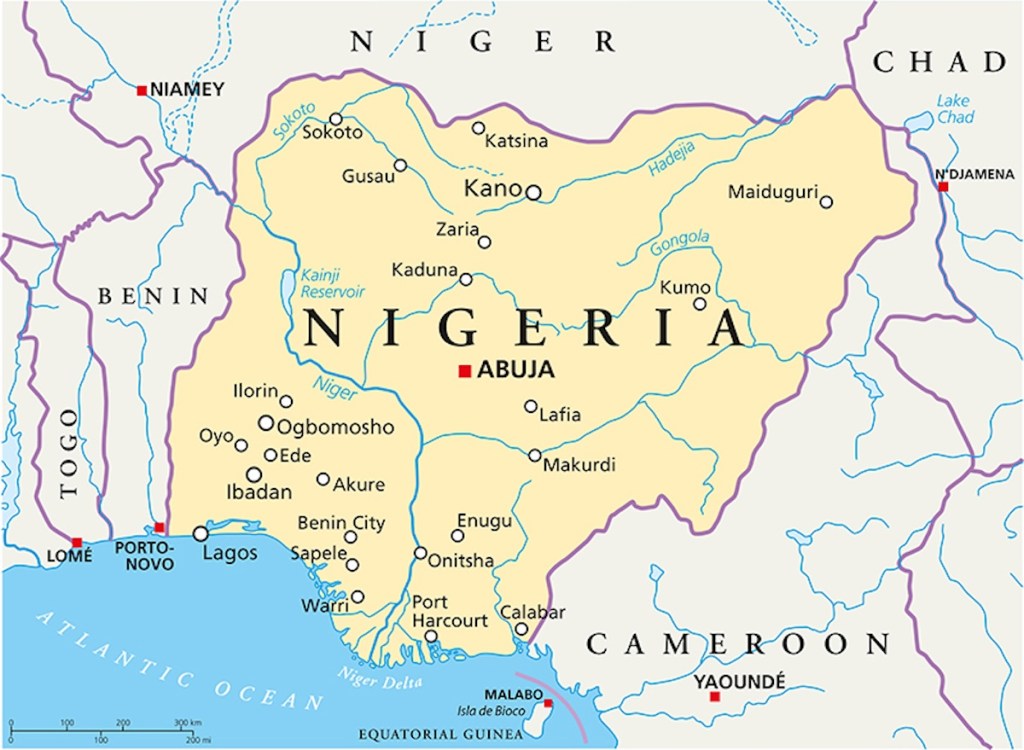
The Nigerian Independent System Operator, along with the West African Power Pool Information and Coordination Centre, has effectively connected Nigeria’s national electricity grid to the larger West African power network.
The highly anticipated trial, which represented a significant milestone for regional energy integration, occurred from 5:04 am to 9:04 am on Saturday, November 8, 2025. It linked Nigeria, the Niger Republic, and portions of Benin and Togo to the broader West African grid, signifying the first successful effort to establish a unified regional power system functioning at a single frequency and connecting 15 West African nations.
A joint statement issued by Adesegun Akin-Olugbade, Chairman of NISO’s Board of Directors, and Abdu Bello Mohammed, Managing Director/Chief Executive Officer, on Sunday referred to the achievement as a significant step forward in realizing the goal of a stable, dependable, and integrated electricity market within the ECOWAS sub-region.
The statement said, “The Nigerian Independent System Operator, together with the West African Power Pool Information and Coordination Centre, has completed the highly anticipated synchronization test between the Nigerian power network, which encompasses the Niger Republic and portions of Benin and Togo, and the rest of the West African power grid. The test took place on Saturday, November 8th, 2025, from 05:04 to 09:04, representing a significant milestone in the continuous initiative to create a unified West African electricity grid functioning at one frequency.”
Despite initiatives to align the sub-regional power networks having spanned almost two decades, the sole prior physical test, carried out in 2007, lasted just seven minutes before being halted because of instability and poor coordination.
This recent success, as stated in the joint declaration, was achieved due to better collaboration, instant communication between control rooms, tighter frequency management, upgraded system surveillance, and aligned operational procedures between the Nigerian Independent System Operator and the WAPP Information and Coordination Centre.
The coordination seamlessly links Area 1 (including Nigeria, Niger, and portions of Benin and Togo) with Areas 2 and 3, which encompass the rest of the West African nations, through a unified operational framework.
This advancement represents a key element in the West African Power Pool strategy aimed at establishing an integrated power market, enabling nations to exchange electricity effectively, lower energy costs, and enhance grid stability via shared resources.
It also establishes Nigeria as a key participant in the region’s energy landscape, facilitating the exchange of electricity across borders, generating foreign currency, and utilizing idle power generation capacity from underused power stations.
The PUNCH recently stated that energy-producing firms in Nigeria suffered a massive loss of N2.31tn over the past 12 years because of electricity that could have been produced but remained unutilized due to grid and operational challenges.
Nigeria’s synchronization enhances its position as a leader in regional energy cooperation and opens up opportunities for international donor funding for key transmission infrastructure. Initiatives like the North Core Transmission Project in Birnin Kebbi and the Ajegunle 330 kV Substation in Lagos are anticipated to gain from increased investor confidence and technical partnerships within the West African Electricity Market.
The action also enhances grid stability and robustness by enabling Nigeria to either receive or provide power to adjacent systems in times of crisis, thus boosting dependability for millions of electricity users throughout the sub-region.
“The effective synchronization represents a historic achievement in regional energy collaboration and highlights NISO’s technical ability to handle intricate grid operations according to international standards. It showcases our preparedness to manage complex grid operations in alignment with global standards and confirms Nigeria’s key position in promoting regional economic development through energy partnerships,” concluded the NISO statement.
This success brings West Africa one step nearer to its objective of establishing a unified, competitive electricity market that can provide sustainable energy to over 400 million people in 14 ECOWAS member nations.
Provided by SyndiGate Media Inc. (Syndigate.info).

 jasdooit
Leave a comment