
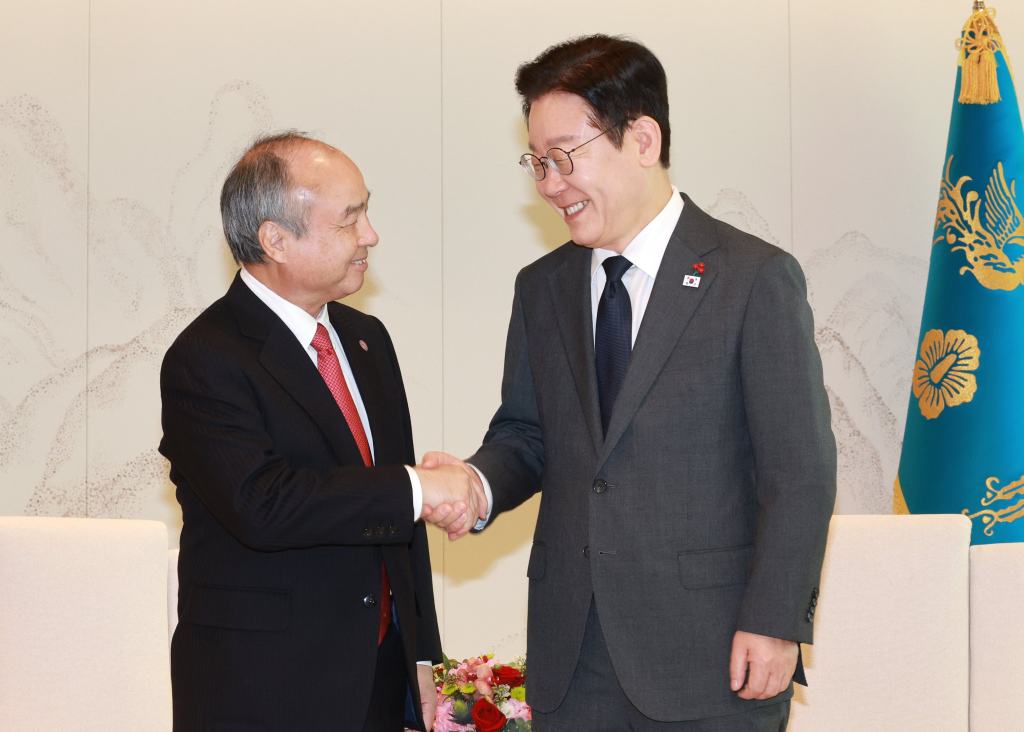
Masayoshi Son, Chairman of SoftBank Group Corp., met with President Lee Jae-myung and emphasized the importance of securing energy as a fundamental requirement for South Korea to become a leading force in artificial intelligence (AI). Although South Korea possesses top-tier semiconductor and manufacturing technologies, there are concerns that the nation is lacking in the necessary power to effectively support AI development.
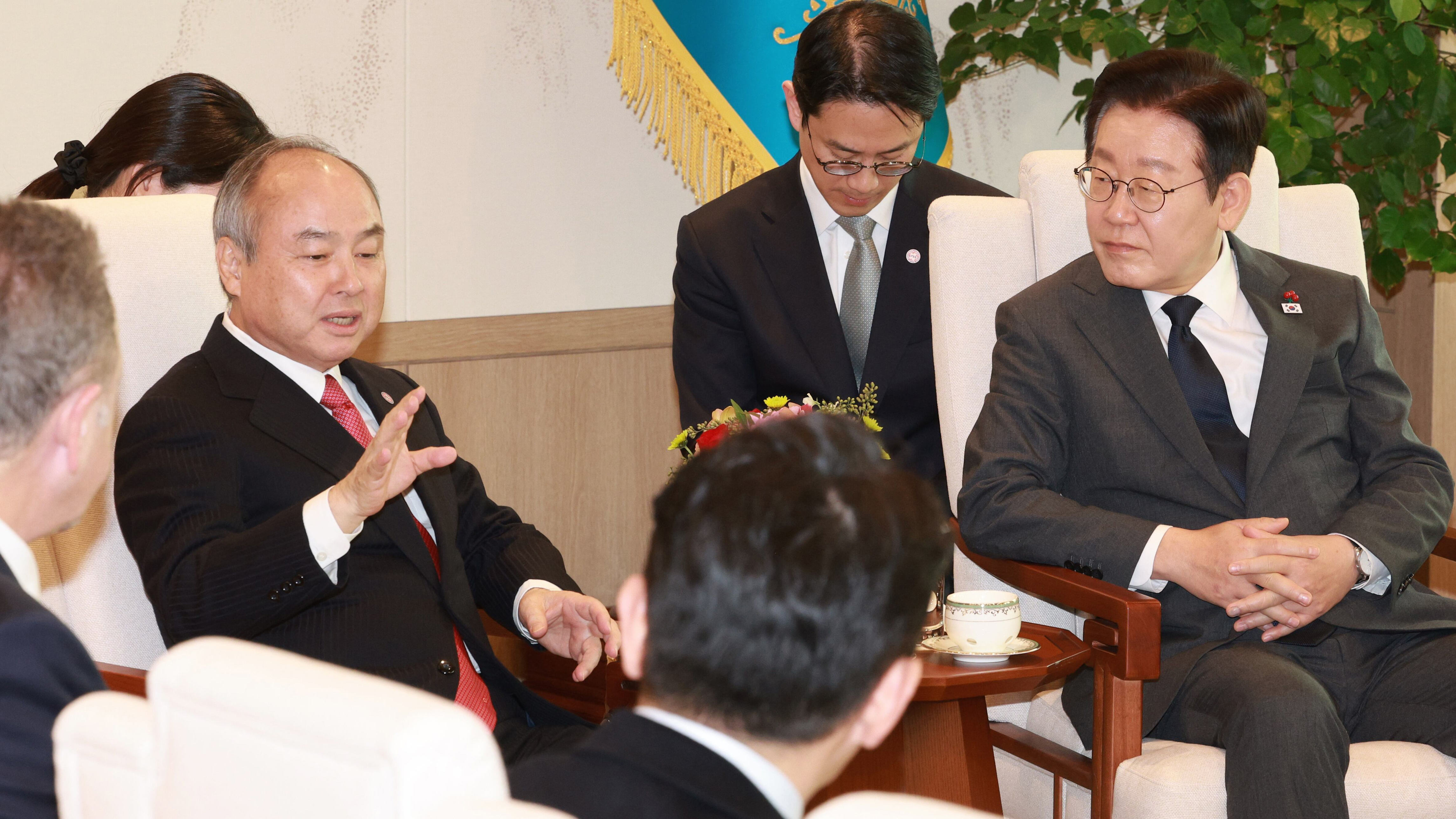
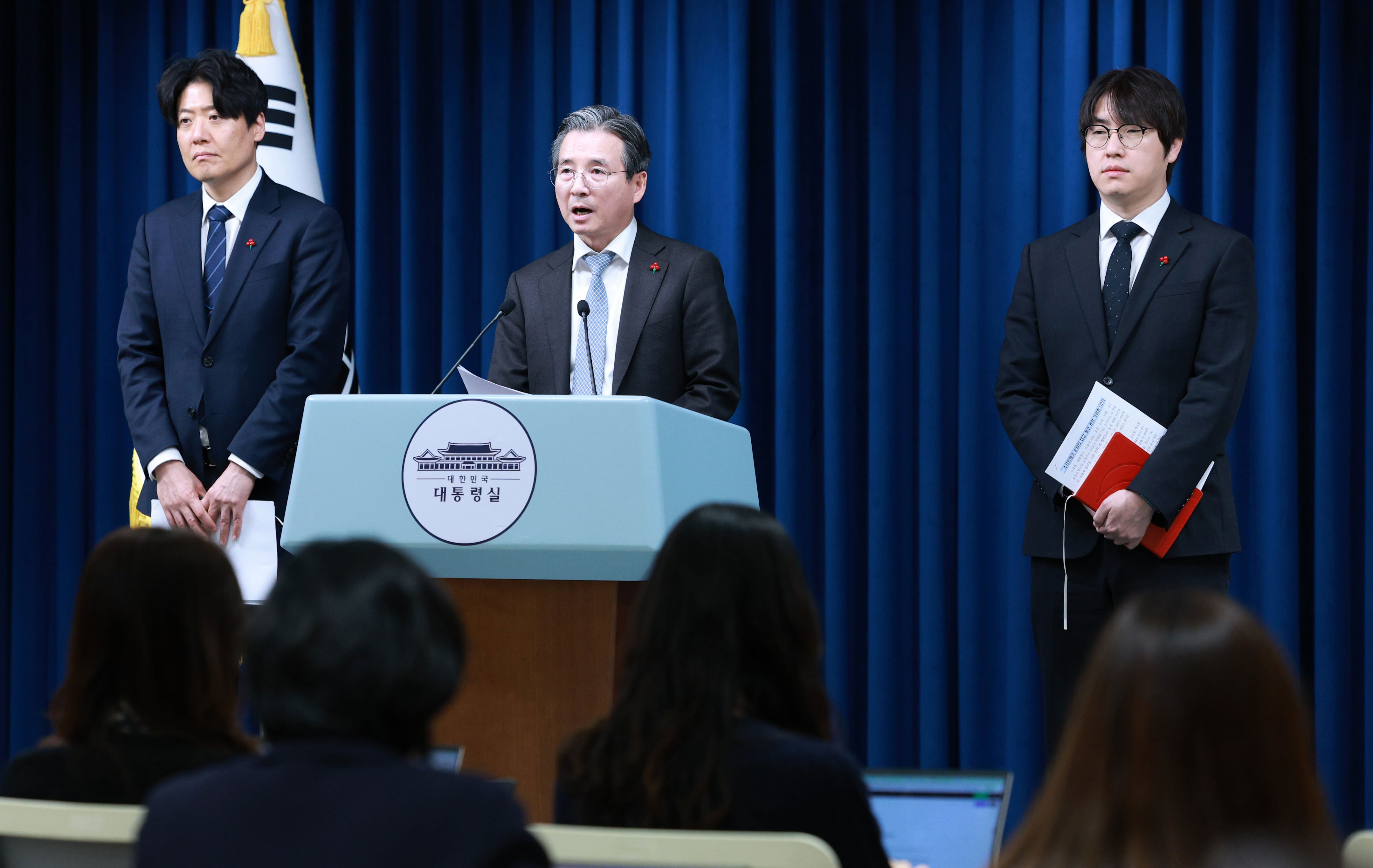
On the 5th, Kim Yong-beom, the policy chief of staff for the presidency, provided details about the 70-minute meeting between President Lee Jae-myung and Chairman Masayoshi Son, noting, “Chairman Son highlighted ‘energy’ as a major vulnerability for South Korea.”
◆ “Data Center Schemes Not Adequate… ASI Unachievable Without Power”
On this day, it is reported that Chairman Son highlighted the significance of four crucial resources—energy, semiconductors, data, and education—in readiness for the ‘ASI (artificial superintelligence)’ era, during a discussion with President Lee. Specifically, Chairman Son remarked, “When examining the data center development plans announced by Korean companies, their scale appears insufficient in comparison to South Korea’s ambitions and potential as an AI nation.” He referenced initiatives such as the gigawatt (GW)-level ‘Stargate’ project being developed in the U.S., stating, “Achieving ASI necessitates large-scale data centers, and the energy required to power them is vital.”
Chief Kim said, “Chairman Son believed that although AI technology and semiconductors (chips) are at a developed stage, the vulnerable point in the AI revolution is energy,” and added, “He voiced worries that, similar to Japan, South Korea encounters geographical and structural challenges in obtaining energy.”
◆ Office of the President: “Nuclear Energy is Essential for U.S. Investment… Public Conversations About New Reactors”
Chairman Son’s ‘energy alert’ was reviewed in alignment with the government’s energy policy strategy. The Presidential Office identified ‘nuclear power’ as one of the main strategies for collaboration with the U.S. government. In reference to the ‘U.S. Strategic Investment Fund’ mentioned by U.S. Commerce Secretary Howard Lutnick, Chief Kim noted, “Energy is among the six priority areas, with nuclear power being the first on the agenda,” and added, “The nuclear power industry, where Korean companies excel, will be a crucial area of partnership between South Korea and the U.S.”
Concerning the domestic energy mix strategy, he stated, “The continuation of current nuclear power plants has already been determined, and the matter of building new reactors is being handled through public consultations headed by the Ministry of Climate and Energy,” implying that different options, such as small modular reactors (SMRs), are under consideration to satisfy the increasing demand for AI energy.
◆ Agreement to Found the ‘ARM School’… Nurturing 1,400 Semiconductor Design Professionals
In addition to the energy issue, another result of the meeting was ‘talent development.’ President Lee, Chairman Son, and ARM Representative Rene Haas, who attended, decided to set up a temporary ‘ARM School’ in South Korea. The Ministry of Trade, Industry and Resources and ARM signed a memorandum of understanding (MOU) on this day, aiming to train around 1,400 semiconductor design experts, with the Gwangju Institute of Science and Technology (GIST) as a potential location. This initiative is intended to strengthen South Korea’s competitiveness in system semiconductors and fabless (design) sectors, which are less developed compared to its memory semiconductor industry.
Chief Ha Jung-woo from the AI Future Planning Office stated, “A detailed plan will be revealed at the semiconductor strategy meeting scheduled for December,” and mentioned, “ARM’s distinctive design intellectual property (IP) and educational experience will serve as a valuable resource for local startups and researchers.”


 jasdooit
Leave a comment