
By Milliam Murigi
Scholars from 16 nations across Africa are gathering in Nairobi, the capital of Kenya, to review the results of the African Union Development Agency (AUDA-NEPAD) genome editing landscape study.
The workshop serves as a crucial last phase to verify that the data gathered throughout the study period correctly represents the actual conditions in each country prior to its application in continental and national decision-making systems.
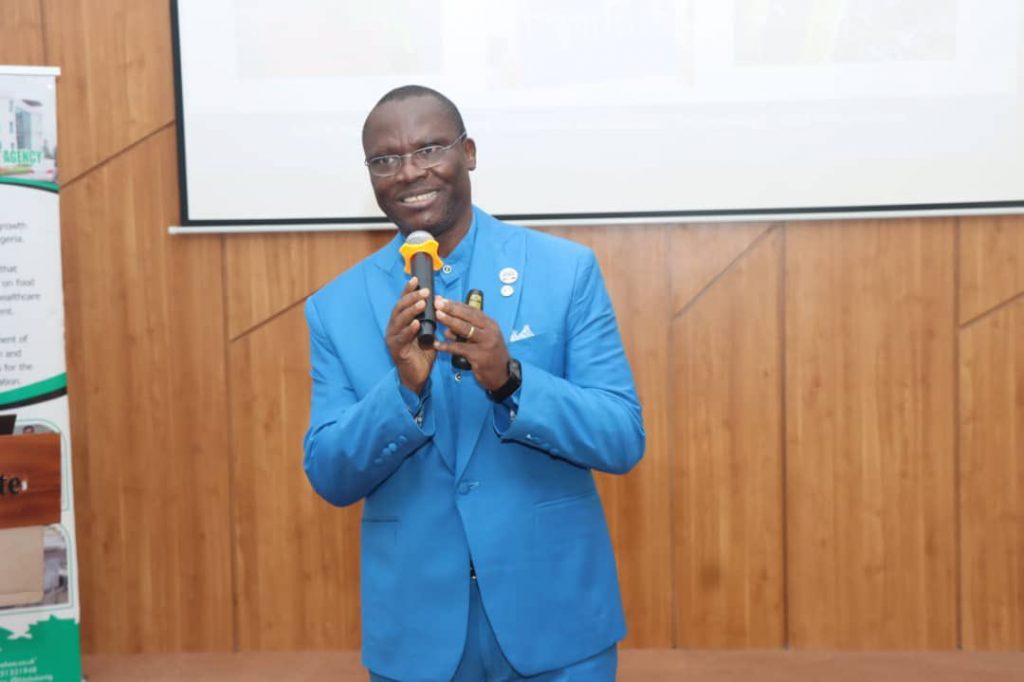
“I deeply appreciate each of you for making this important meeting a priority. Confirming the results will guarantee that the gathered information and data are correct and represent the actual conditions in each country, aiding in the creation of decision support systems,” stated Prof. Olalekan Akinbo, Head of the Genome Editing Programme at AUDA-NEPAD.
Gene editing, also known as genome editing (GEd), is a cutting-edge biological technology that enables researchers to carry out specific, focused modifications to an organism’s DNA without necessarily incorporating an external gene.
It allows them to insert, delete, or alter particular genes to enhance favorable characteristics like resistance to diseases, ability to withstand drought, protection against pests, or increased output in plants and animals, sometimes without incorporating external DNA.
As stated by Prof. Akinbo, verifying the results of the exercise will contribute to the trustworthiness, consistency, and practical application of the data, especially as African nations explore effective ways to utilize genome editing technologies in tackling food shortages, climate challenges, pests, diseases, and poor agricultural output.
The research, conducted by the Africa Harvest Biotech Foundation International and AGTECH Consulting Ltd., outlines current gene and genome editing projects and highlights areas that may hinder Africa’s development if not resolved.
At the meeting, AUDA-NEPAD reconfirmed its dedication to assisting Member States and Regional Economic Communities (RECs) in creating and applying genome editing guidelines, aiming to boost research and development, product innovation, and the commercial use of genome editing technologies in agriculture, as part of initiatives to ensure a thriving and sustainable future for Africa.
Prof. Akinbo stated that AUDA-NEPAD will keep assisting member nations and regional economic groups in creating and executing genome editing guidelines that promote research, product development, and commercialization to enhance agriculture and ensure a sustainable future for Africa.
He stated that a thorough evaluation of genome editing in Africa should not be considered a single event. Due to the ever-changing aspects of technology implementation and policy development, it needs ongoing updates to reflect current advancements throughout the continent.
He stated that a constantly updated database is crucial for aiding decisions based on evidence, directing strategic funding, and assisting in the creation of policies.
At the same gathering, Dr. Martin Mwirigi, head of the Biotechnology Research Institute at KALRO, stated that Africa’s future in farming depends on biotechnology, especially genome editing, which provides quicker and more accurate solutions than traditional breeding methods. He highlighted that genetic engineering is already producing real-world benefits in Kenya.
“This seminar is happening at an opportune moment, as Africa is working to implement genome editing to address some of the critical challenges we encounter locally. The dry seasons are growing longer, new fungal and viral diseases are appearing, and insects that were not present here 10 or 15 years ago are now significant threats,” he stated.
As per Dr. Mwirigi, Africa could cease to be a net importer of food by fully utilizing new biotechnological advancements. The issue is that although the continent possesses some of the brightest intellects and robust institutions, development remains too gradual.
A significant challenge, he stated, is not the opposition from farmers but rather policy and regulatory barriers. Although genome editing offers quicker advancements compared to genetically modified organisms (GMOs), inadequate or limiting policies might hinder development in a similar manner to how GMOs have experienced delays throughout the region.
“We call on decision-makers to apply the results from this validation workshop to tackle regulatory, ethical, perception, and safety issues related to genome editing. Postponing action may cause Africa to lag behind as other areas move forward with these essential biotechnologies,” Dr. Mwirigi stated.
As stated by Dr. Florence Wambugu, the Chief Executive Officer of Africa Harvest Biotech Foundation International and one of the study’s consultants, the 16 nations involved in the research are currently engaged in 57 completed and active genome editing initiatives designed to tackle several of Africa’s most significant agricultural issues.
The initiatives cover crops, animals, trees, and seafood. They tackle important farming issues like climate pressure, insects, illnesses, and poor output, indicating a strong move towards research-based farming methods.
“These initiatives are at various phases, with the majority being in the proof-of-concept and early product development stages,” stated Dr. Wambugu.
Provided by SyndiGate Media Inc.Syndigate.info).



 jasdooit
Leave a comment