
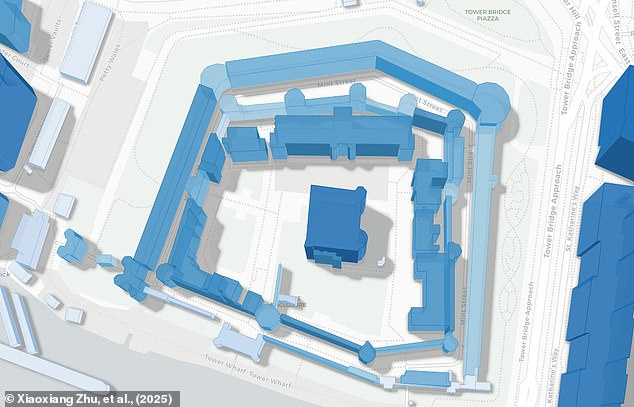
Scientists have created an amazing new interactive tool that creates 3D maps of all buildings globally.
Known as the GlobalBuildingAtlas, the free online tool maps the location and dimensions of 2.75 billion structures around the world with remarkable precision.
It was developed by scientists from the Technical University of Munich (TUM) inGermanyutilizing an extensive collection of satellite information.
The specialists integrated almost 800,000 satellite images with anAIa method for estimating the dimensions of absent structures using the elevations of surrounding buildings.
Currently, the Daily Mail has highlighted seven well-known landmarks on the map, along with short explanations.
So, can you figure out what they are?
Keep in mind that various tones of blue indicate different elevations – therefore, very tall structures appear even darker.
After making your guess, scroll to the bottom for the solutions!
BUILDING 1
Let’s begin with a relatively simple one, which is by far the oldest structure on this list.
This renowned historical castle rises 90 feet tall along the shore of one of the world’s most celebrated rivers.
Dating back almost 1,000 years, the structure required approximately two decades of work by laborers and masons to finish. It has served various purposes throughout history, including as a prison, a zoo, and a treasury.
Recognized as a World Heritage Site, it remains one of the nation’s top tourist destinations, drawing over three million guests annually.
BUILDING 2
This unique structure is a Danish creation, even though it is situated thousands of miles away from any place in Europe.
The acclaimed designer based in Copenhagen drew motivation from the grand Mayan and Aztec structures.
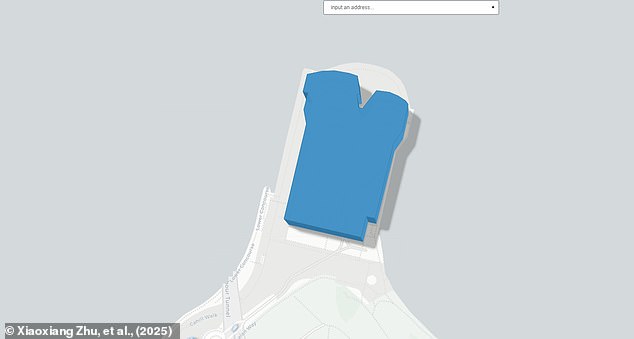
Considered a masterpiece of 20th-century architecture, this UNESCO World Heritage Site required 14 years to build and cost $102 million.
Over 10.9 million individuals come to the structure annually, which is located near waters notorious for having sharks.
A venue for performances, it has welcomed acts including Sammy Davis Jnr, Ella Fitzgerald, Brian Wilson, Philip Glass, Thin Lizzy, and Tame Impala.
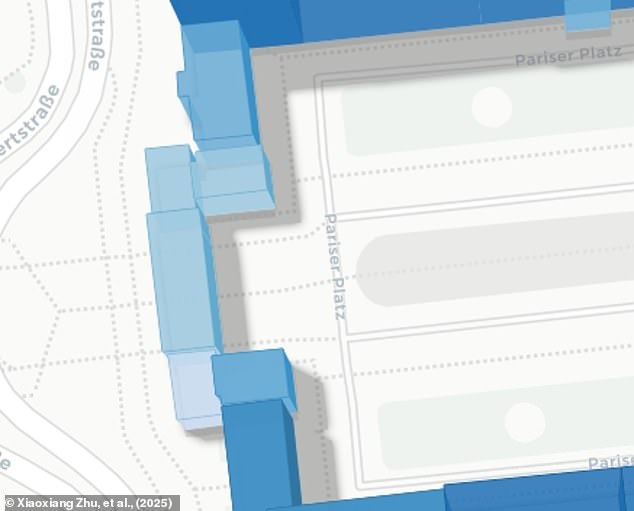
BUILDING 3
This 18th-century structure, approximately 85 feet tall, was designed as a magnificent gateway to the city, representing peace and authority.
Regarding its architectural style, it has been characterized as Greek Revival, drawing inspiration from the grand entrance gateway of the Acropolis in Athens.
Made of sandstone, it includes twelve big columns that create five corridors, with a quadriga—a four-horse chariot—placed on top.
Official references portray it as the city’s most renowned attraction, boasting more than two centuries of history, and is a top priority for every traveler.
BUILDING 4
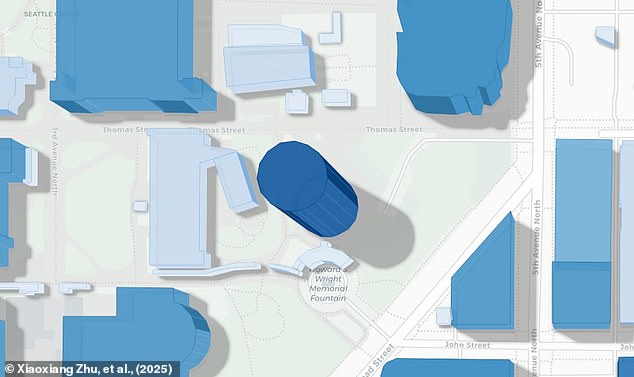
A 600-foot tower looms over one of the nation’s liveliest cities, having required approximately $4.5 million in construction costs.
Often seen in movies and television series, this famous landmark was built in the early 1960s to represent mankind’s ambitions during the space age.
It was constructed on the location of a former firehouse and is designed to endure wind speeds of up to 200 miles per hour.
Approximately 69 million individuals have toured this tower from 1962 to 2024, securing its position as the top sightseeing destination in the area.
BUILDING 5
GlobalBuildingAtlas depicts this next structure as a thin, slug-like flaw, failing to capture its actual grandeur.
In reality, guests who come to this city comment on its surreal look, frequently likened to a spacecraft or ‘a garden suspended in the air’.
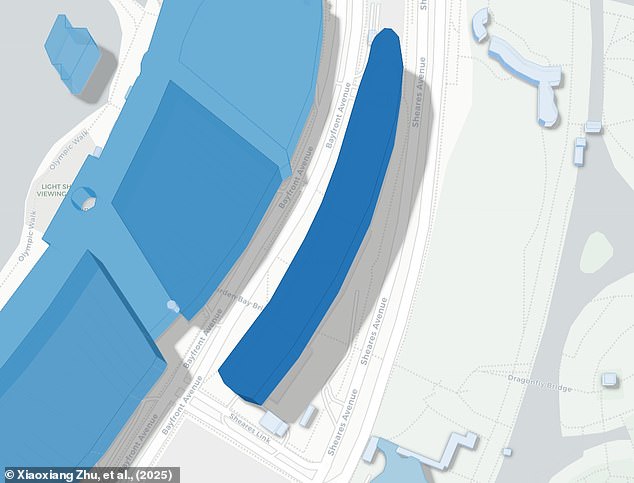
Conceived by Israeli-Canadian architect Moshe Safdie, it was created and refined to blend seamlessly with the idea of a modern garden city.
It includes three hotel buildings, a museum, a theater accommodating over 2,100 people, a shopping center, and a diverse range of dining and drinking establishments.
BUILDING 6
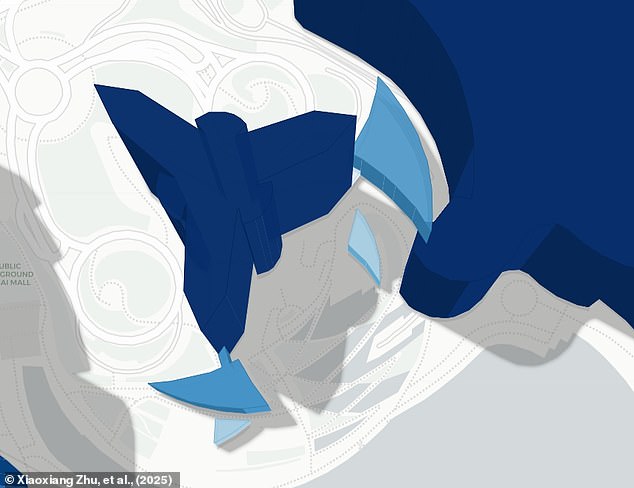
An amazing high-rise building, this sixth landmark features an enormous height and a unique Y-shaped base, which must be seen to be believed.
Standing at 2,716 feet (828 meters), it is three times the height of the Eiffel Tower and nearly double that of the Empire State Building.
The construction of this impressive tower, designed by American architect Adrian Smith, started in 2004 and was finished in 2010 with a total expense of $1.5 billion.
Since its opening, it has attracted the attention of Hollywood producers, appearing in several movies, including Independence Day: Resurgence (2016).
Film enthusiasts might have also noticed it in Mission Impossible – Ghost Protocol (2011), where Tom Cruise portrayed Ethan Hunt climbing the structure.
BUILDING 7
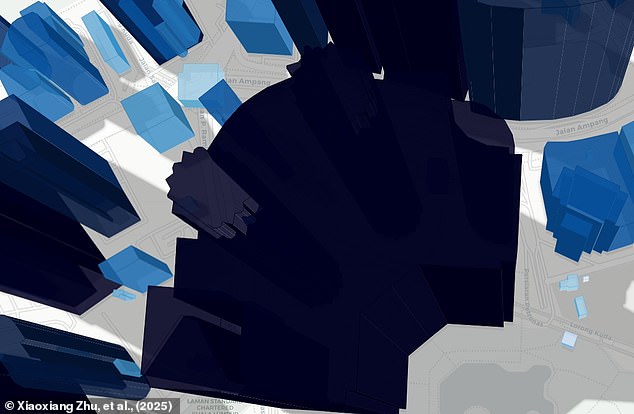
Finally, this elegant pair of twin high-rises – a significant attraction for visitors in this region of Southeast Asia – reach an impressive height of 1,483 feet (451 metres).
They were the initial structures located outside the United States to hold the distinction of being the world’s tallest (two decades ago, they were overtaken by the Taipei 101 tower in Taiwan).
The design for every tower is the same – a circular form with eight lobes that includes 88 levels of usable area and a pyramid-like top crowned with a tall steel rod.
They were created by Argentine-American architect César Pelli, who found inspiration in the geometric designs of Islamic art.
- What mysteries does the Mukaab tower conceal as it prepares to be the world’s most impressive architectural marvel?
- What hidden flaws lie within the architectural disasters of New York, securing two leading positions in the worst building ranking?
- Will Dubai’s dazzling Ciel Tower surpass other world-famous landmarks and emerge as the latest symbol of architectural excellence?
- Why has the imposing Goldin Finance 117 turned into the world’s highest abandoned structure?
- Will the transformation of London’s skyline keep progressing as a massive 1,015.75 ft high-rise competes with The Shard to reach even greater elevations?


 jasdooit
Leave a comment