
Beginning next month, patrons will be required to pay a “cup charge” when purchasing drinks in single-use cups from coffee shops or eateries. The initiative seeks to prohibit the offering of free disposable cups and promote the use of reusable containers such as mugs. Nevertheless, debate is anticipated regarding the efficiency of a system that imposes an additional fee for cups, since the expense is already covered by the drink’s price.
The Department of Climate, Energy, and Environment revealed during a presidential meeting on the 17th that it will implement a “distinct cup payment method” as part of its broader initiatives to reduce plastic use. According to this policy, single-use cups—no matter the material, including plastic or paper—will need to be bought individually. The administration intends to publish a preliminary version of these regulations on the 23rd.
This replaces the existing “disposable cup deposit system,” where customers pay a 300 Korean won deposit when purchasing drinks in single-use cups and get the money back when returning the cup. Launched under the Moon Jae-in government, the deposit scheme was originally planned to be implemented nationwide in June 2022 but encountered resistance from small business owners and consumers due to the hassle involved. It was reduced in December of that year to apply only to Sejong and Jeju, turning into an example of an unsuccessful environmental initiative.
In contrast to the deposit system, which aimed at retrieving cups, the new “separate cup payment system” does not provide a refund even if single-use cups are returned. A government official stated, “Similar to how convenience stores now charge for plastic bags, single-use cups will be sold individually.”
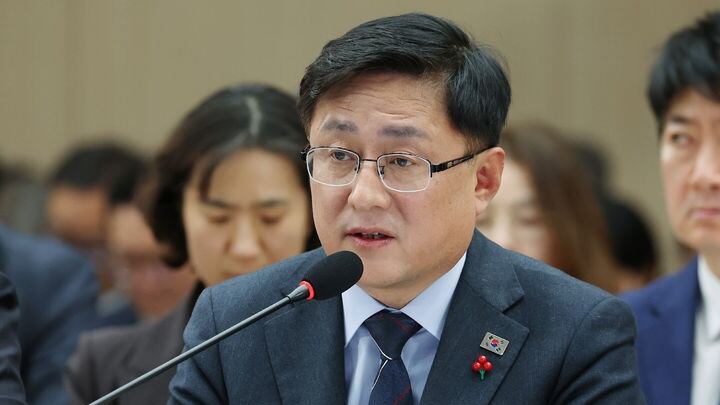
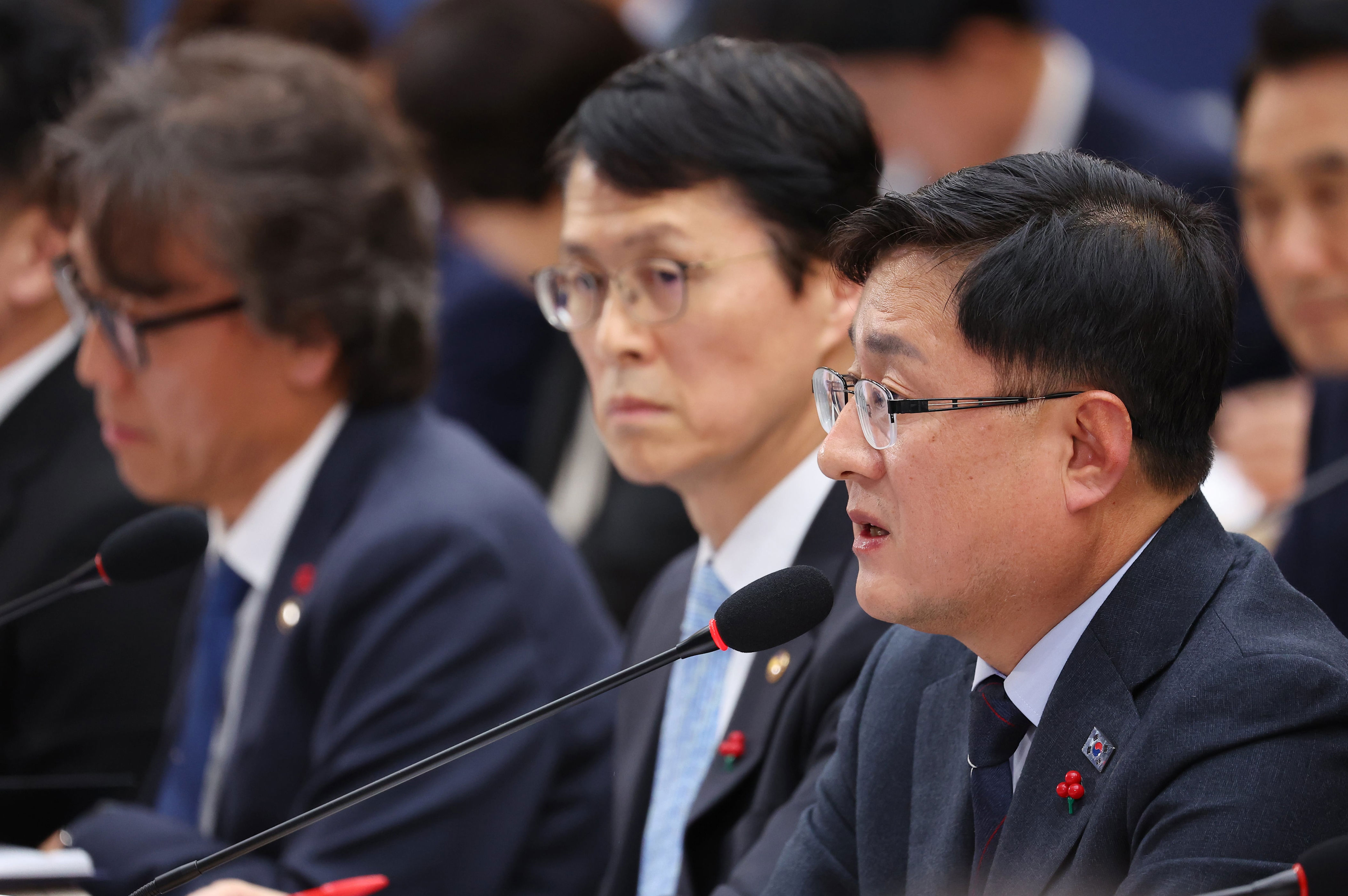
The government will permit businesses to determine cup prices independently, yet it will impose a minimum charge to ensure the policy remains effective. Minister Kim Sung-whan said, “The separate cup fee must be higher than production costs,” and mentioned that the range would be “100–200 Korean won.”
Opponents claim the policy does not match its main objectives of cutting down on plastic use and improving recycling efforts. Charging separately for cups—which are already included in the price of drinks—might only lead to higher expenses. Park, 45, who runs a café in Seogyo-dong, Seoul, stated, “This regulation increases the financial pressure during times of rising inflation,” and voiced worry that patrons could ask for refunds on used cups.



 jasdooit
Leave a comment