
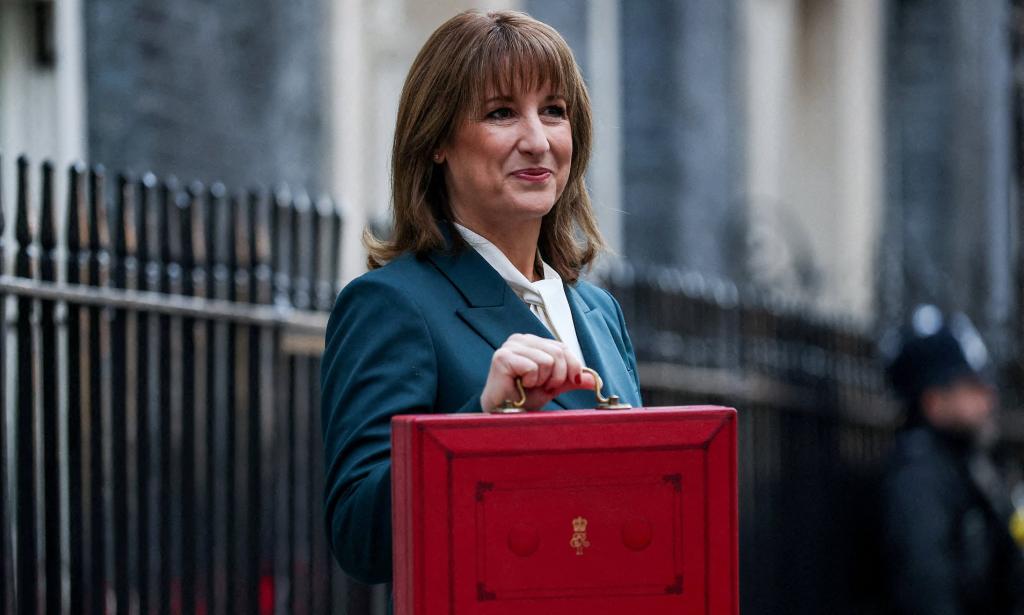
The Labour party has faced criticism for delivering a £1 billion blow to the High Street, as consumers are anticipated to avoid today’s Boxing Day promotions.
Retailers facing difficulties will miss out on essential income as consumer confidence declines amidRachel Reeves‘ tax bombshells.
Figures from BarclaysIndicate that 26 percent of Britons are anticipated to search for deals today – a decrease from 28 percent in 2024 – as Labour’s financial demands start to take effect. The bank forecasts that the struggling high streets will earn £3.6 billion from Boxing Day shoppers – £1 billion less than the previous year.
The decline in customer visits to high street stores is attributed to tightened family finances, with 69 percent of individuals stating that financial pressures will affect their spending this year, an increase from 47 percent in 2024.
The Conservativesand Reform UK attributed the ‘stagnant economy and declining consumer confidence’ to Labour’s leadership.
Shadow business secretary Andrew Griffith stated: ‘Under Labour,Christmashas become a period for purchasing discounted necessities instead of enjoying with relatives and companions.
Amid a stagnant economy and declining consumer trust, shoppers are becoming more cautious with their spending, leading to difficulties for retailers.
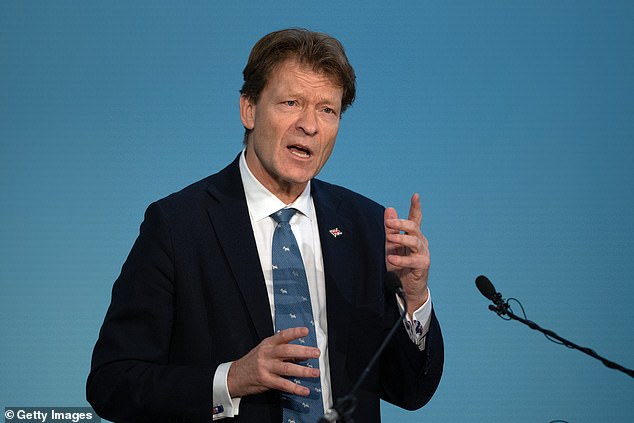
Deputy leader of the Reform party, Richard Tice, stated: ‘This government came into power pledging to bring the cost of living under control. Nearly two years on, household bills have risen sharply, taxes have increased dramatically, and economic growth has stagnated.’
It’s not unexpected that customers are experiencing financial pressure and opting to remain indoors rather than patronizing local shops on Boxing Day.
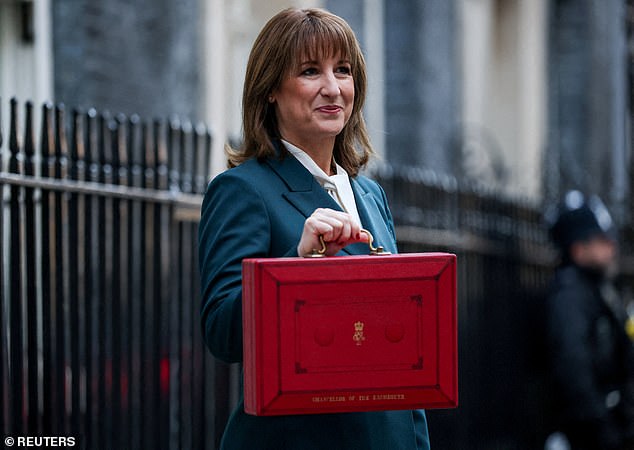
It follows Ms Reeves imposing an additional £66 billion in taxes on households and businesses since she took office as Chancellor last year, including a £25 billion cut to employers’ National Insurance contributions.
An increase in the minimum wage, which acts as an indirect tax on salary increases, is expected to push over 8.9 million people into a higher income tax bracket by 2030, along with flawed business rate reforms and new employee rights, has also affected companies and undermined consumer confidence.
The decline in Boxing Day sales serves as another worrying indicator for struggling city centers, following recent data that revealed retailers have been less active than anticipated in the lead-up to Christmas.
Data from MRI Software showed that footfall on high streets during the week prior to Christmas decreased by 5.6 percent compared to the previous year.
It is anticipated that sales will continue to decline, with January forecasted as the most challenging month in four years – beginning from March 2021, during the pandemic – as per the Confederation of British Industry’s survey of retailers.
The grim prognosis follows an increase in unemployment to a five-year peak of 5.1 percent, with the Bank of England predicting that economic growth will remain stagnant in the fourth quarter of this year.
Barclays’ data indicates that among those intending to spend freely, half intend to face the crowds on the High Street, while the remaining seek deals online.
Individuals who do their shopping have established a typical budget of £253, representing a rise of £17 compared to the previous year.
During the entire holiday sales period, 44 percent of Britons state they will engage in shopping, with the majority intending to do some of their deal-seeking in physical stores.
Clothing, footwear, and accessories top shoppers’ lists, selected by 37 percent, followed by food and beverages, beauty products, and household items.
A quarter of people state they will only purchase what they deem as necessities. Almost half of those intending to buy beauty and skincare items plan to take advantage of the sales to replenish their regular products at a reduced cost.
Karen Johnson, the retail director at Barclays, stated: “Consumers have shown how budget-focused they remain throughout 2025, and we anticipate this trend will continue during the Boxing Day promotions.”
One in every two indicated they favor online shopping. As per Barclays, retailers must provide exclusive in-store deals or complimentary items with purchases to attract additional customers.
For individuals who enjoy shopping from the convenience of their home, 37 percent are utilizing artificial intelligence to find discounts, investigate products, and check prices. This percentage increases to 53 percent among those aged 18 to 34, even though half express concern that these tools could lead to excessive spending.
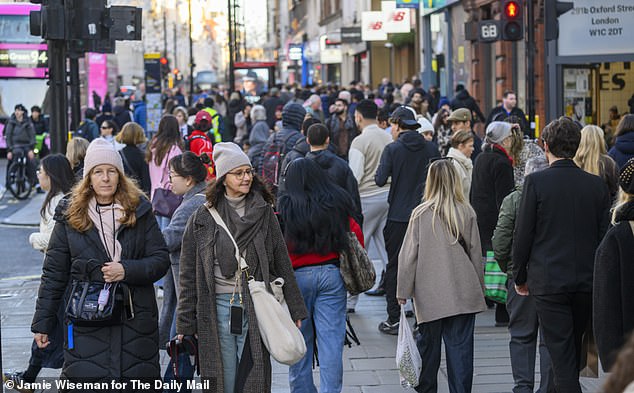
Ms. Johnson stated, “Nevertheless, many people still appreciate the social and sensory aspects of going to physical stores. Shoppers who do venture out to the streets could gain from larger budgets, possibly because they have been waiting for sales, and there may be less competition due to fewer shoppers looking for deals.”
Boxing Day remains a crucial time for retailers, driven by Christmas memories, yet it has adapted to meet current shopping trends. This year, we can expect a mix of online shopping, in-store experiences, and more thoughtful buying habits.
Presenting her budget last month, Ms Reeves mentioned that she was ‘requesting a small additional contribution from regular individuals,’ while the heaviest impact would be felt by those ‘with the widest means,’ via increased taxes on real estate and savings.
However, Black Friday offers did not attract customers, as sales unexpectedly declined by 0.1 percent for the month, according to the Office for National Statistics.
Danni Hewson, who leads financial analysis at A J Bell, attributed the situation to rumors of possible tax increases, stating that they had ‘unsettled consumers during the height of the holiday shopping season,’ and noted that shoppers ‘kept showing a lot of caution.’
Richard Lim from Retail Economics stated, “For families, the rising cost of living continues to be the primary issue. While we have observed decreasing inflation during the past four years, this hasn’t translated into lower prices.”
A government representative stated: ‘Revitalizing our high streets is a key element in driving economic development across all regions of the UK, and we are dedicated to collaborating with businesses and local communities to achieve this and support the retail sector.’
We are establishing a fair competitive environment for online and physical businesses, eliminating the problem of delayed payments that mainly affects small enterprises, addressing retail crime, and developing a more equitable business tax system to encourage investment, reduce vacant properties, and promote new ventures.
- Will the UK’s high street endure an “exceptionally challenging holiday season” with a £2.5 billion tax increase from the Budget looming over financially struggling shops?
- Will the lively high streets of Britain provide the essential end-of-year boost that retailers are urgently seeking during a positive shopping upturn?
- Are rising expenses and Rachel Reeves’ Budget leading to disaster for High Street stores this Boxing Day?
- Will the £4.6 billion spent on Boxing Day help retailers escape economic hardship even as a potential £25 billion tax increase approaches?



 jasdooit
Leave a comment