
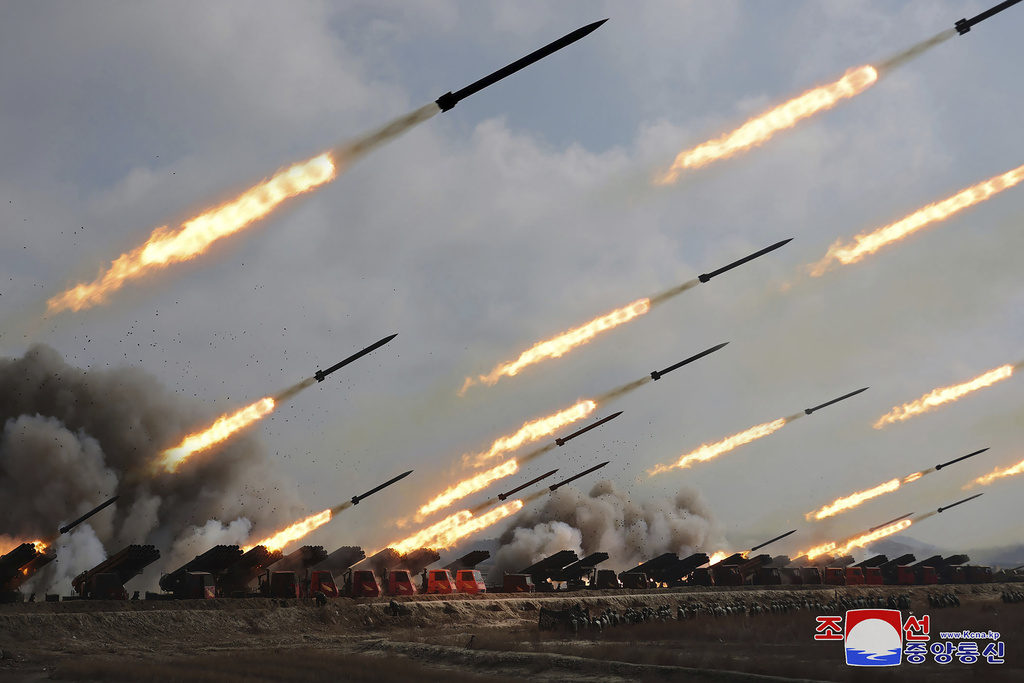
This year, the number of brigade-level and higher outdoor field training exercises (FTX) decreased by 15 compared to last year, as per the data. The military provided explanations such as training restrictions caused by extreme heat, support for the late October Asia-Pacific Economic Cooperation (APEC) summit, and the effects of floods and wildfires. However, some individuals inside and outside the military believe the decline could indicate the impact of the Lee Jae-myung administration’s more lenient stance towards North Korea. Minister of Unification Chung Dong-young has consistently advocated for modifying military exercises to promote dialogue with North Korea, stating, “It is not feasible to conduct North Korea-US talks while carrying out South Korea-US military exercises.”
According to information provided by the office of Rep. Yu Yong-weon from the People Power Party, a member of the National Assembly Defense Committee, on the 28th, this year’s FTX—covering extensive anti-infiltration exercises, ground joint training, and operational plan implementation at the brigade level or above—amounted to 78 times, a reduction of 15 compared to last year’s 93. The Ground Operations Command saw a drop from 65 to 58, while the Second Operations Command decreased from 28 to 20. Field training activities, such as combat command inspections for armored units at the brigade level or higher, Hoguk exercises, and joint maneuver drills, fell from 18 to 15. However, live-fire training for artillery units at the brigade level or higher, including combined firepower exercises, concentrated firepower drills, and integrated firepower annihilation drills, increased by two, from 10 to 12.
The military linked the drop in FTX to “training restrictions after a March event where an Air Force fighter jet accidentally hit a civilian home, training controls during the intense heat period,” along with “support for the APEC summit” and “effects of floods and wildfires.” Nevertheless, some believe that appeals from officials such as Minister Chung to suspend field exercises in order to revive the September 19 inter-Korean military agreement might have contributed to the decline.
In August, military officials stated that more than 20 out of roughly 40 planned training exercises associated with the Ulchi Freedom Shield (UFS)—a routine South Korea-US joint operation aimed at protecting the Korean Peninsula—would be moved to September because of “extreme heat.” Nevertheless, only 5 to 6 of the rescheduled exercises were finished by early October.
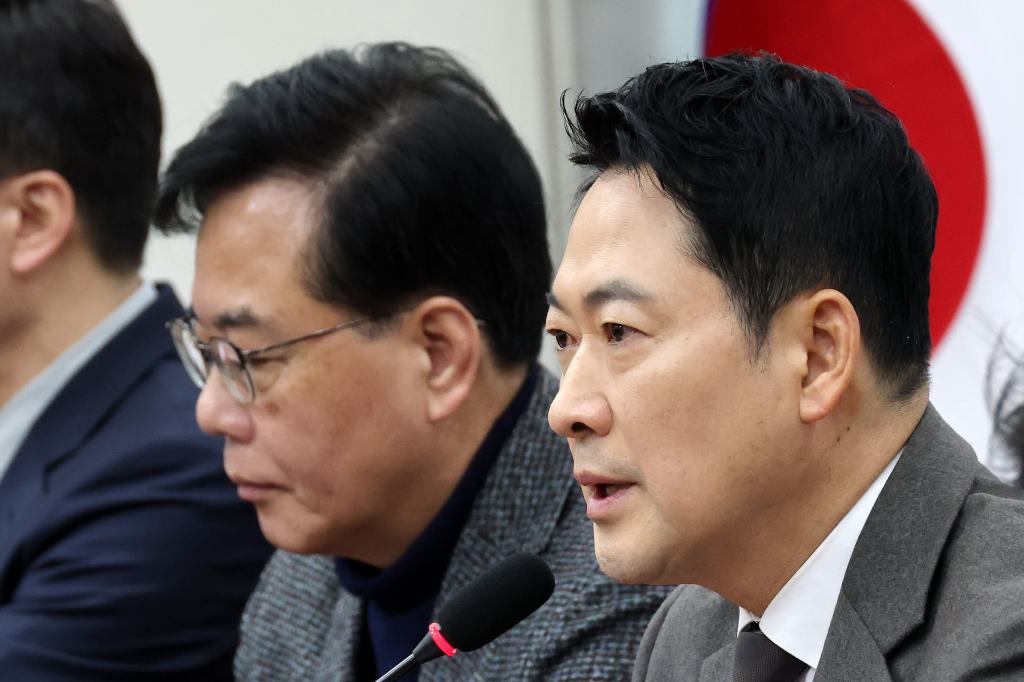
Rep. Yu Yong-weon said, “Although training might be reduced or delayed because of unavoidable circumstances such as disaster relief, it should not result in long-term weaknesses in combat preparedness.” He further mentioned, “Even within restricted conditions, active efforts should be made to find alternatives that sustain and improve the ongoing and efficient nature of training.”


 jasdooit
Leave a comment