
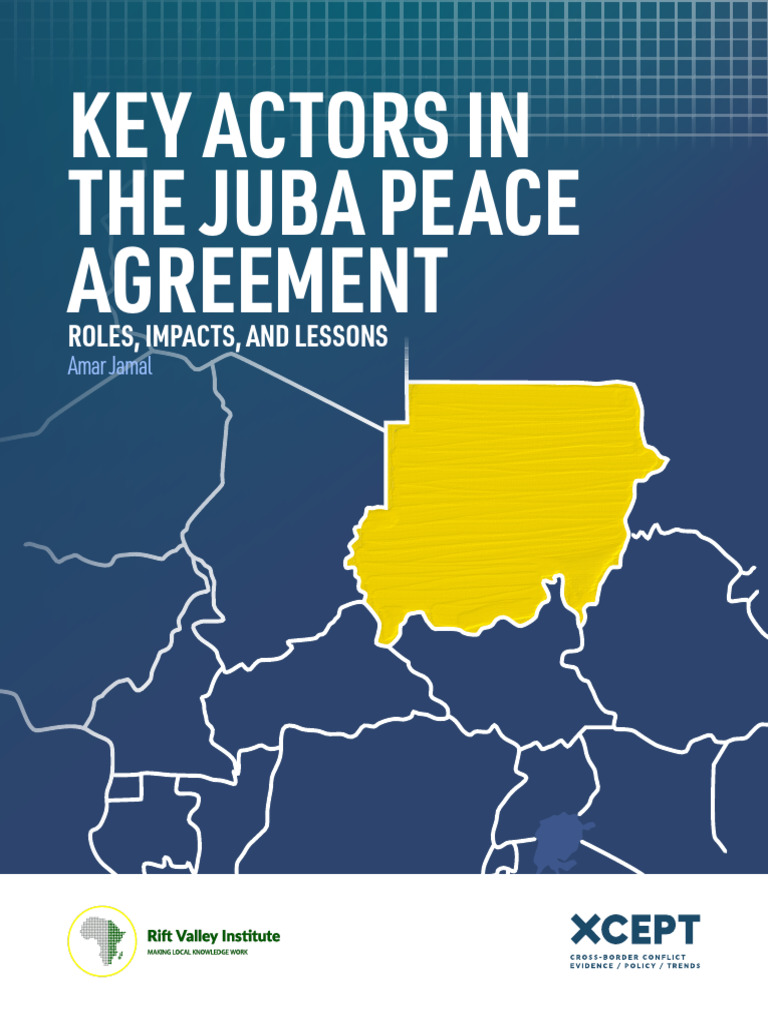
Juba is set to restart oil production at Heglig — the nation’s biggest oil field — after a significant three-way security agreement between the conflicting sides in South Sudan and Sudan.
Heglig plays a vital role in South Sudan’s economy, which depends on oil for over 90% of its government income. The oilfield acts as the primary processing center for much of Juba’s crude oil exports.
The Heglig region generates approximately 20,000 oil barrels daily through 75 wells and serves as the main processing center for South Sudan’s petroleum.
Work was suspended on December 8 following the capture of the oilfield by Sudan’s paramilitary Rapid Support Forces (RSF).
Two days later, Juba sent forces to the key location following an extraordinary deal with Sudan’s conflicting factions, aiming to protect the oilfield as conflicts escalated throughout Sudan’s Kordofan region.
Local media in Juba state that oil production has restarted after a security deal was signed on December 11, 2025, between the South Sudan People’s Defence Forces (SSPDF) and Sudan’s opposing forces — the Sudan Armed Forces (SAF) and the RSF — to jointly protect the region.
Radio Tamazuj stated on December 28 that engineering crews had been moved to Heglig to get ready for the restart of operations.
The closure posed a risk to the financial stability of both nations.
Juba is on the brink of collapse following Sudan’s closure of the oil pipeline. According to the tripartite agreement, the oilfield has been kept out of the conflict. Authorities anticipate that ongoing collaboration between the SSPDF and Sudanese troops will maintain stability for oil shipments.
Heglig, situated on the border between Sudan and South Sudan, contains vital oil facilities and is part of a 1,600-kilometre pipeline that carries crude oil from the Unity oilfields to Port Sudan.
Since gaining independence in 2011, South Sudan has relied on Sudan to transport its oil via Port Sudan, with transit charges being covered according to the 2005 peace deal that concluded the civil conflict between northern and southern Sudan.
Although Sudan experienced a resurfaced conflict in 2023, Khartoum still gathered transit charges from Juba.
As per the World Bank, a one-year closure of the Dar Blend pipeline from February 2024 to 2025—responsible for transporting 63 percent of South Sudan’s oil—significantly harmed macroeconomic stability in an already vulnerable economy.
The effect was worsened by reductions in U.S. aid at the start of 2025 and a general drop in international support, putting pressure on family spending and critical services like health care and schooling.
South Sudan’s economy is projected to have shrunk by 23.8% in 2025, with oil production dropping significantly from approximately 160,000 barrels per day to roughly 60,000 bpd during the period of closure.
New protests at the Heglig oil facility in late August continued to jeopardize operations and postponed the return to regular workforce levels.
Even though Dar Blend exports restarted in April 2025 following repairs, drone strikes on Port Sudan in May caused renewed concerns.
South Sudan now exports roughly 110,000 barrels daily, a significant decrease from 350,000 bpd prior to the civil conflict that began in 2013. Provided by SyndiGate Media Inc.Syndigate.info).



 jasdooit
Leave a comment