

A total of 105 private institutions have shut down as a result of Labour’s contentious policiesVATstrike on charges, impacting 25,000 kids.
The bleak count was disclosed by independent schools’ representative Julie Robinson on the one-year anniversary of the policy’s implementation on January 1 last year.
Ms. Robinson, CEO of the Independent Schools Council, cautioned about a grim outlook in 2026 as Labour continues its efforts, which some have termed ‘an ideological class conflict,’ against private schooling.
Ms. Robinson stated to The Mail on Sunday: “We can expect more shutdowns in the months and years ahead as the impact of VAT and other tax policies becomes more pronounced.”
Although multiple elements lead to school shutdowns, we understand that for certain individuals, the government’s choice to impose taxes on education is an excessive step.
She mentioned that the total of 105 schools comprised 15 that had been combined with other institutions.
Even several of the nation’s most renowned schools have faced financial difficulties.
Marlborough College, the educational institution attended by the Princess of Wales, has had to switch off the heating during the break in order to cut costs, as reported by a staff member who prefers to stay unidentified.
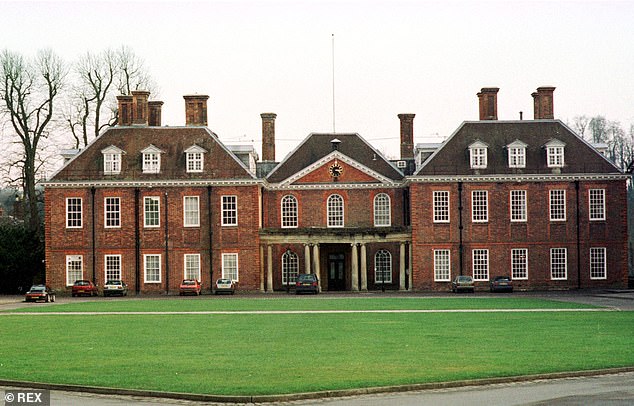

The Wiltshire school, which was also considered as a potential option for Prince George, has annual fees reaching as high as £61,800. However, it has recently shut down its summer school for the year, following five decades of operation, due to financial challenges, including VAT on tuition costs.
The statistics highlight the absurdity of Labour’s original predictions that they didn’t anticipate any school closures. It wasn’t until March last year, following a dozen schools closing, that a minister acknowledged the policy would result in some closures.
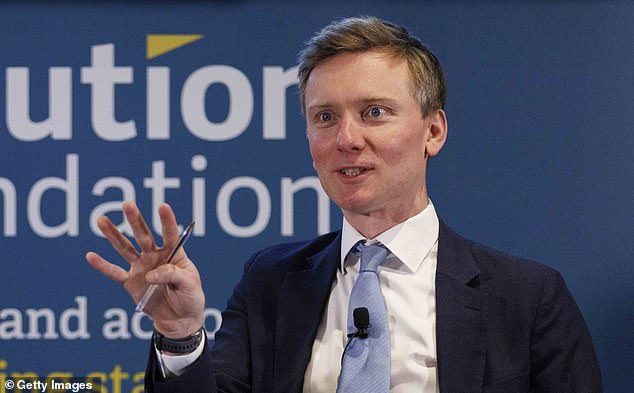
Treasury Minister Torsten Bell later proposed that up to 100 schools ‘might shut down within the next three years’.
The government initially projected that as few as 3 percent of private school students would exit the sector overall – 18,000 students.
Although numerous schools in the North and the Midlands have had to close, 19—almost one out of five—of these closures have occurred in London and the nearby region.
The Park Hill School in Kingston and the Falcons School in Putney both stated that Labour’s implementation of VAT on fees left them without the financial ability to remain operational.
The former campus of John Whitgift School in Croydon, South London, Ursuline Prep in Ilford, East London, and London Acorn in Morden, South West London, also ceased operations last year. More recent examples include The Cedars School in Croydon, a boys’ secondary school, which closed in September, and Oak Heights, a co-educational secondary school in Hounslow, West London, which shut down in October.
Other notable shutdowns include Queen Margaret’s School for Girls in York during the previous summer. The school’s administrators, which was established in 1901, stated they had been “unable to cope with increasing financial challenges.”
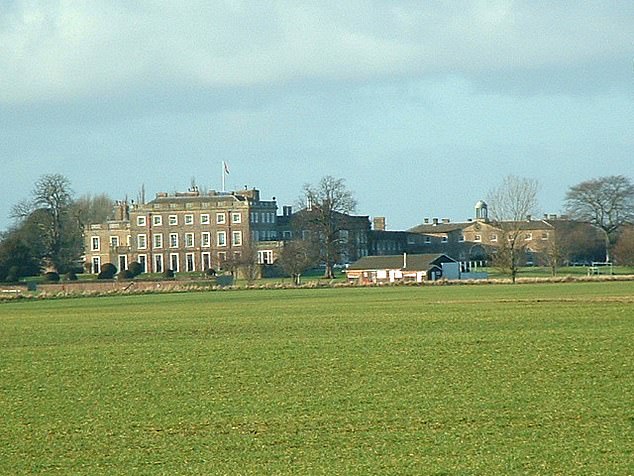
Other closures have involved Carrdus School in Banbury, which is owned by the prestigious girls’ school Tudor Hall, and Maidwell Hall in Northamptonshire, whose graduates include Earl Spencer.
In December, The Meadows Montessori, a school catering to children aged three to 16 in Ipswich, closed, with its head, Sam Sims, attributing the closure to ‘financial difficulties,’ including ‘specific actions targeting independent schools,’ such as VAT on tuition fees.
A government representative stated, “The fabricated crisis of students transferring from the private sector and creating strain on the public system has not come to pass.”
Ending tax incentives for private institutions will generate £1.8 billion annually by 2029/30 to support public services, particularly aiding the 94 per cent of students in state schools, ensuring high standards for all children.
- Is the private education sector facing a crisis, with 10,500 fewer students this year as a result of Labour’s upcoming VAT policy?
- Could Labour’s VAT policy lead to the closure of cherished private institutions such as the renowned Carrdus School due to rising expenses?
- Has the Labour party’s latest tax policy pushed Britain’s renowned private schools to the brink, leading to shutdowns and a large number of students moving to public schools?
- Could the Labour Party’s latest tax policies deal a critical blow to Britain’s renowned private schools, leading to the closure of beloved initiatives such as Marlborough’s summer program?
- Are top-tier institutions at risk of shutting down or experiencing significant tuition increases because of Labour’s value-added tax policy on education?



 jasdooit
Leave a comment