
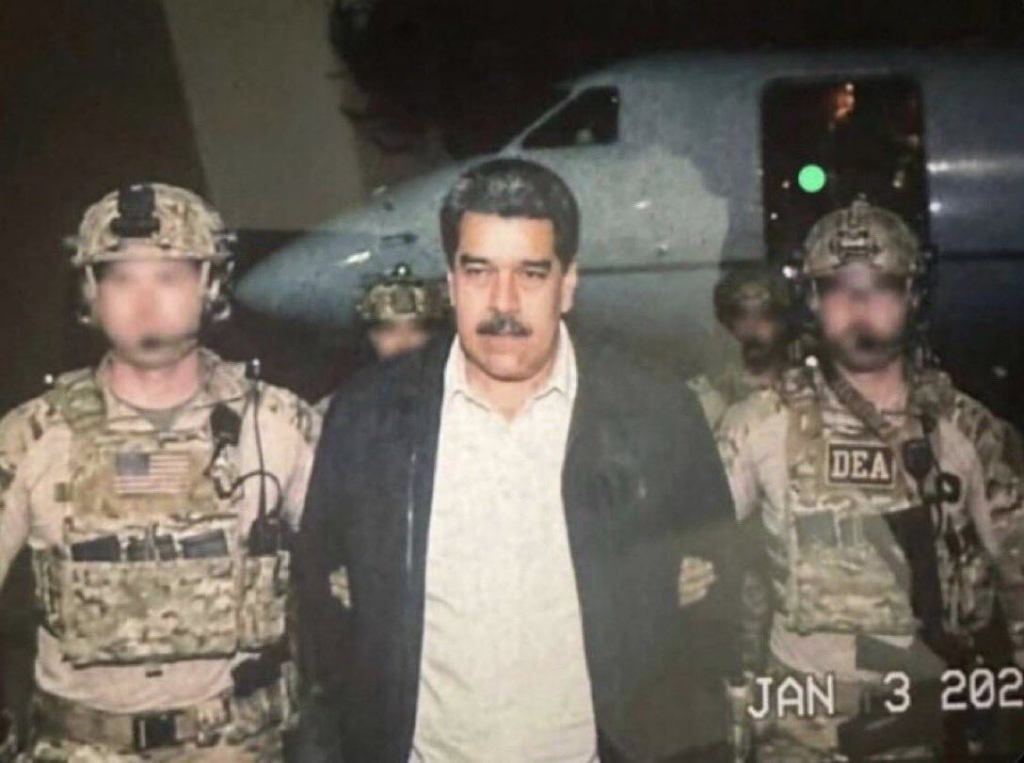
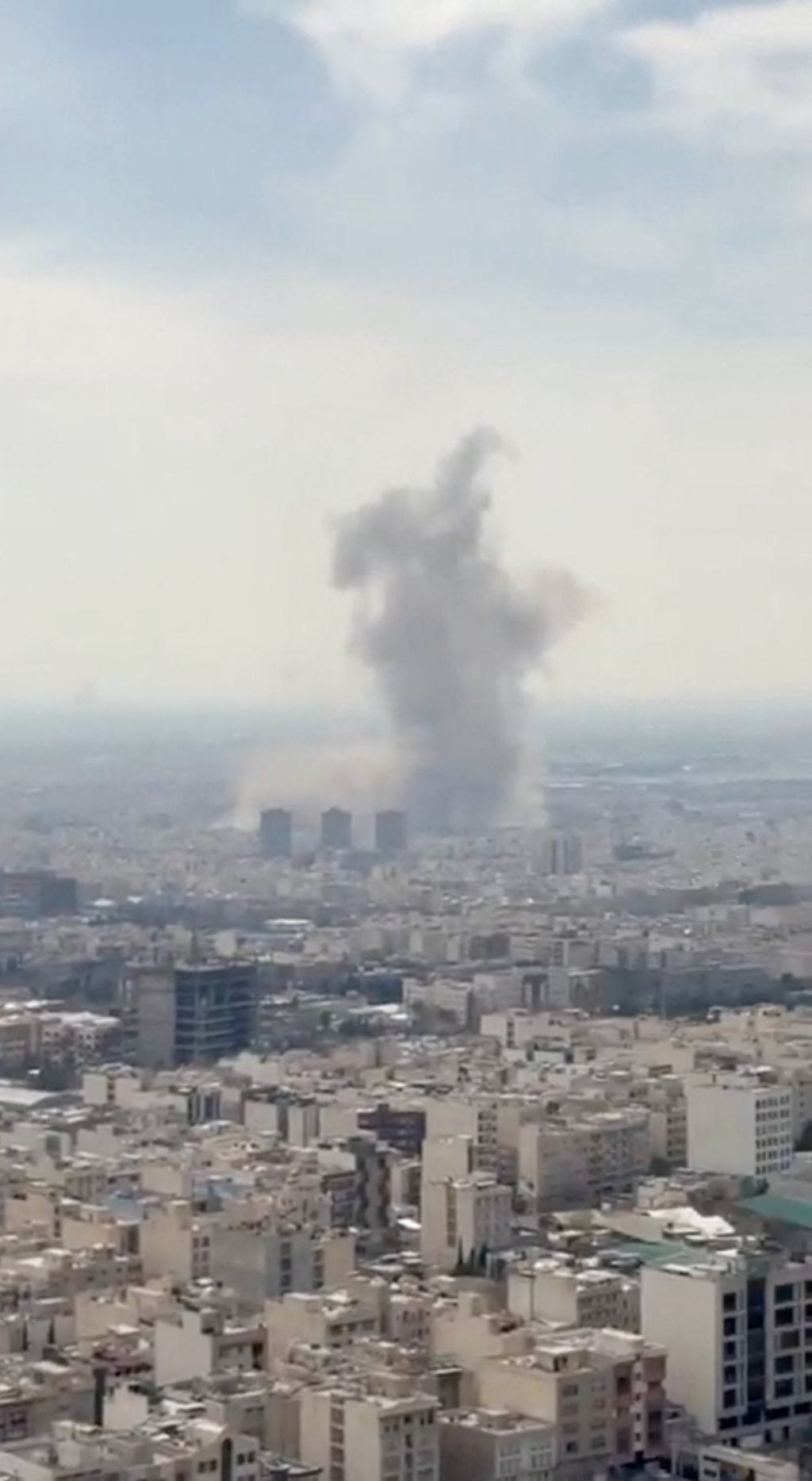
At 2 a.m. on the 3rd (local time), as night fell, 150 American aircraft filled the skies above Venezuela. Explosions and smoke spread throughout the capital, Caracas, leading the Venezuelan government to announce a national emergency. At that moment, the U.S. Army’s top-tier Delta Force stormed the house where President Nicolás Maduro was hiding with his wife. They seized Maduro, who was trying to escape in gray workout clothes. Just three hours after President Donald Trump authorized the operation, the Maduro administration, which had been in power for 13 years since 2013, came to an end.
As reported by the White House and the New York Times (NYT), the operation, known as ‘Operation Absolute Resolve,’ was a high-level strategy that was carefully planned over several months. In addition to the U.S. military’s power, the Central Intelligence Agency (CIA) deployed personnel to collect local intelligence. A small team from the CIA was sent to the area in August of last year. They collected detailed information about Maduro’s daily schedule, supported by insiders within the Venezuelan government and surveillance using stealth drones to track his movements. A reward of $50 million (approximately 72.3 billion Korean won) was also offered for information that could lead to Maduro’s capture. Dan Caine, Chairman of the U.S. Joint Chiefs of Staff, said, “The CIA team helped us understand where Maduro lived, where he traveled, what he ate and wore, and even details about his pets.”
Military groups also moved into action around the same period. The U.S. Department of Defense gathered a fleet of 12 vessels in the Caribbean Sea beginning in late August of last year. By November, the aircraft carrier USS Gerald R. Ford along with three missile destroyers arrived, increasing the number of troops by 5,500, bringing the total to 10,000 personnel. As reported by the NYT, the deployment of more than 15,000 troops represented the largest presence in the area since the 1962 Cuban Missile Crisis. Members of Delta Force practiced raids using a model of Maduro’s safe house. The mission was originally planned a few days earlier but was postponed because of bad weather. Troops stayed ready throughout the Christmas and New Year’s holidays, waiting for favorable conditions.
On the 2nd, reports verified that weather conditions had become favorable enough for the operation, and pilots established feasible routes. President Trump gave the final execution order at 10:46 p.m. that evening, sending the troops a message of, “Good luck and Godspeed.” The U.S. deployed B-1 bombers, F-22s, F-18s, E/A-18s, F-35s, E-2 surveillance planes, rotary-wing aircraft, and many unmanned drones from 20 land and sea bases. At 2 a.m. on the 3rd, Caracas was filled with explosions, and helicopters emitting flashes were observed. Witnesses described smoke and flames near the Venezuelan Ministry of Defense, along with power failures in several areas. Trump stated, “Our advanced technology led to the power outages.”
At 2:01 a.m., a U.S. helicopter breached Venezuela’s air defenses and came under attack as it approached Maduro’s location along with special operations forces. During a Fox News interview, Trump mentioned, “Some soldiers were hurt but not killed.” The operatives exited the helicopter and quickly entered the residence where Maduro was located. Maduro was taken into custody as he tried to escape towards a fortified safe room. He was then placed on a helicopter and transferred to the U.S. Navy vessel USS Iwo Jima in the Caribbean Sea at 4:29 a.m. local time.
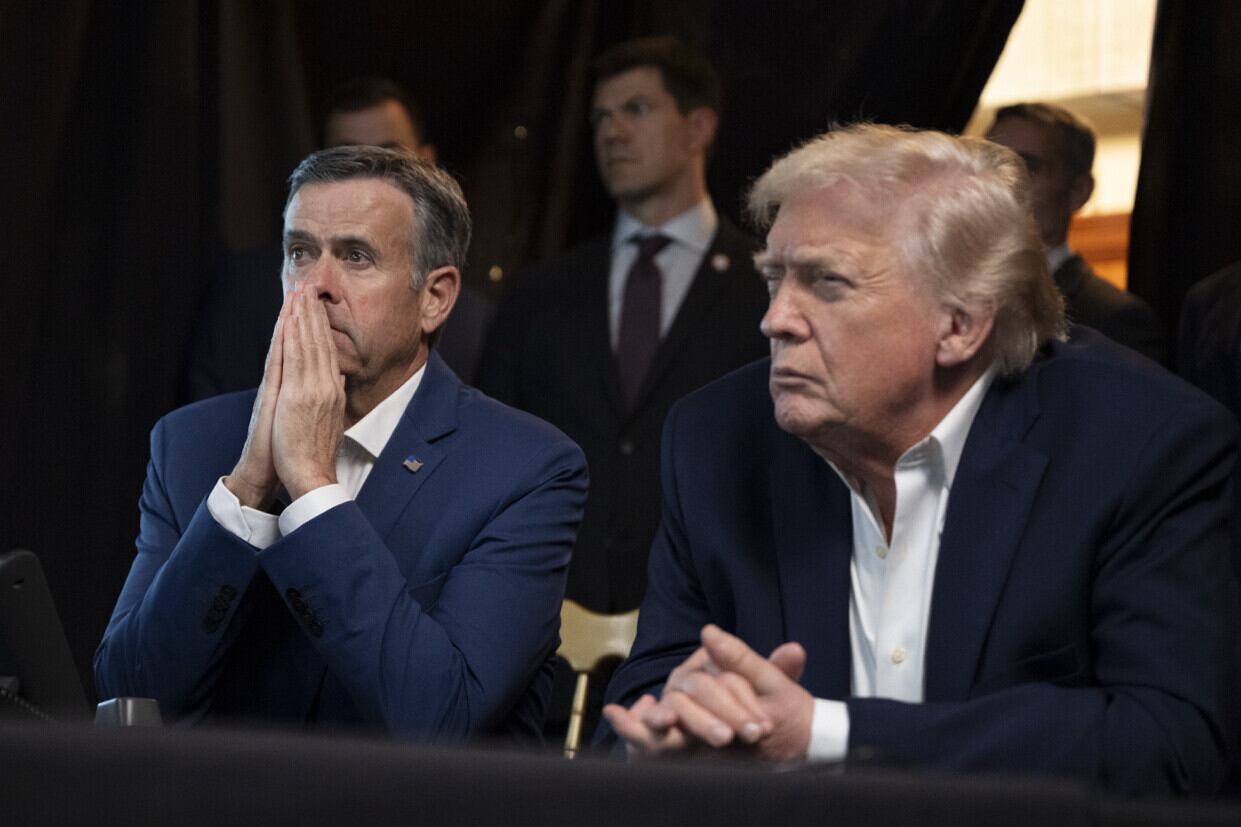
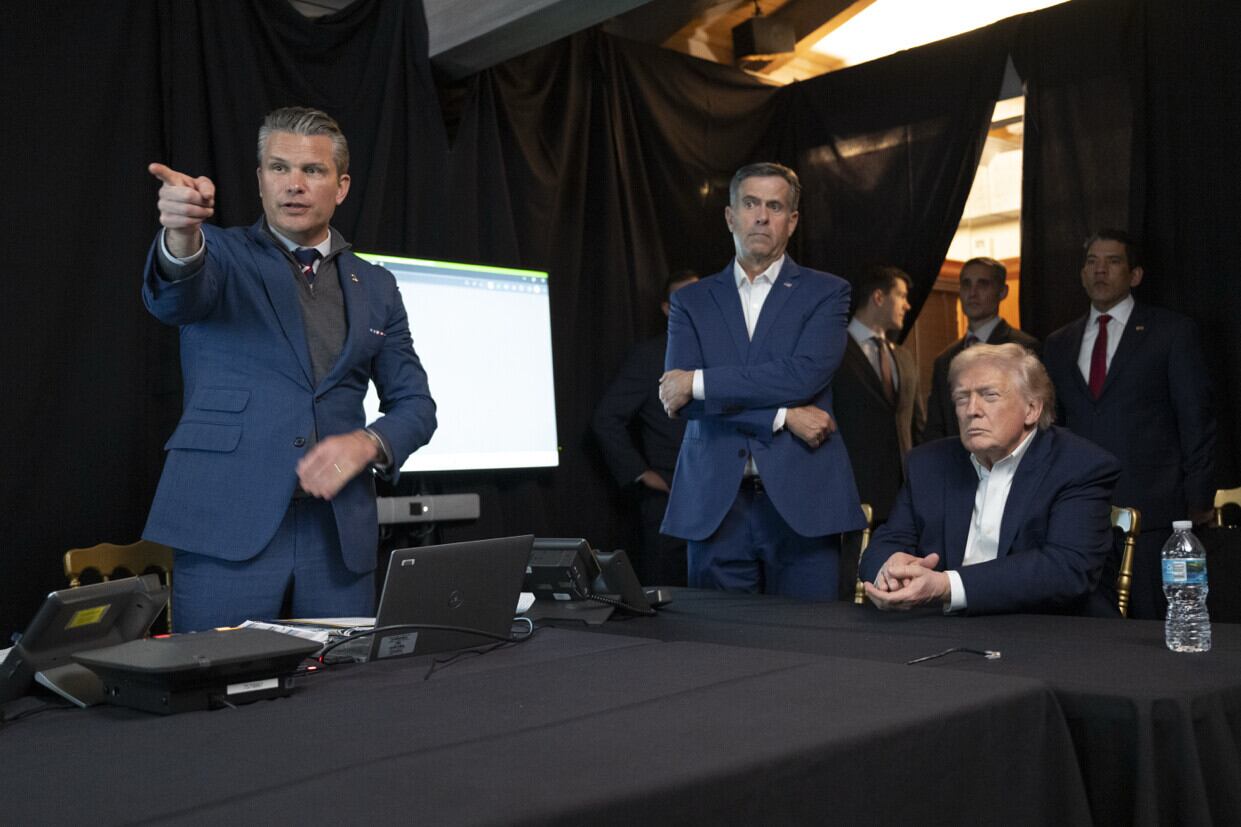
Trump kept track of the operation in real-time using a live stream at his Mar-a-Lago Resort in Florida. After verifying the mission’s success, he declared Maduro’s capture on the social media site Truth Social.
 jasdooit
Leave a comment