
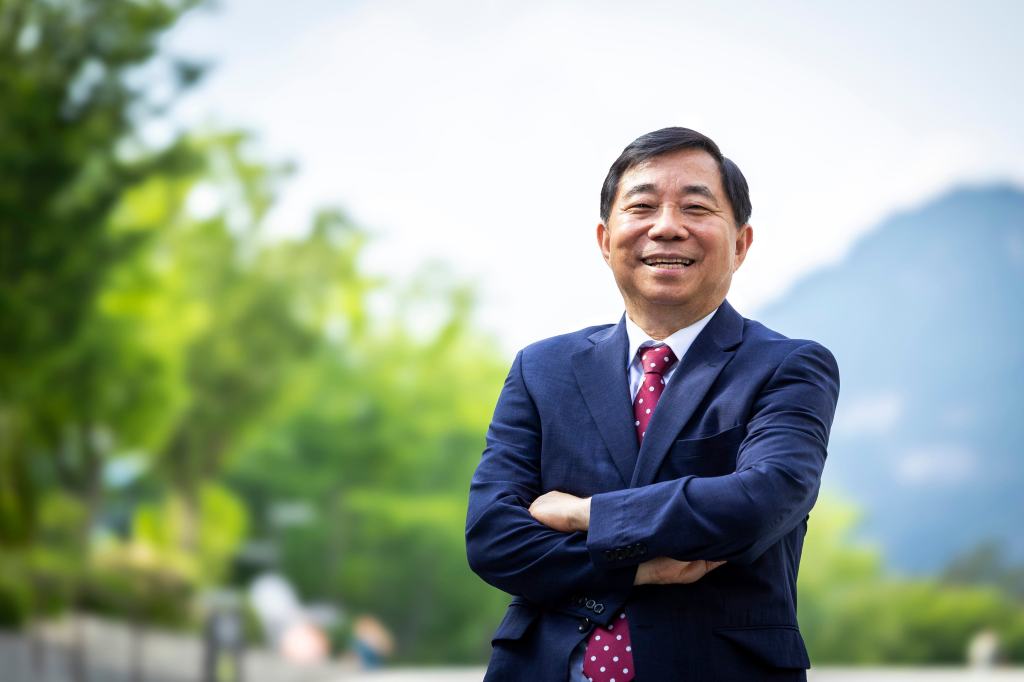
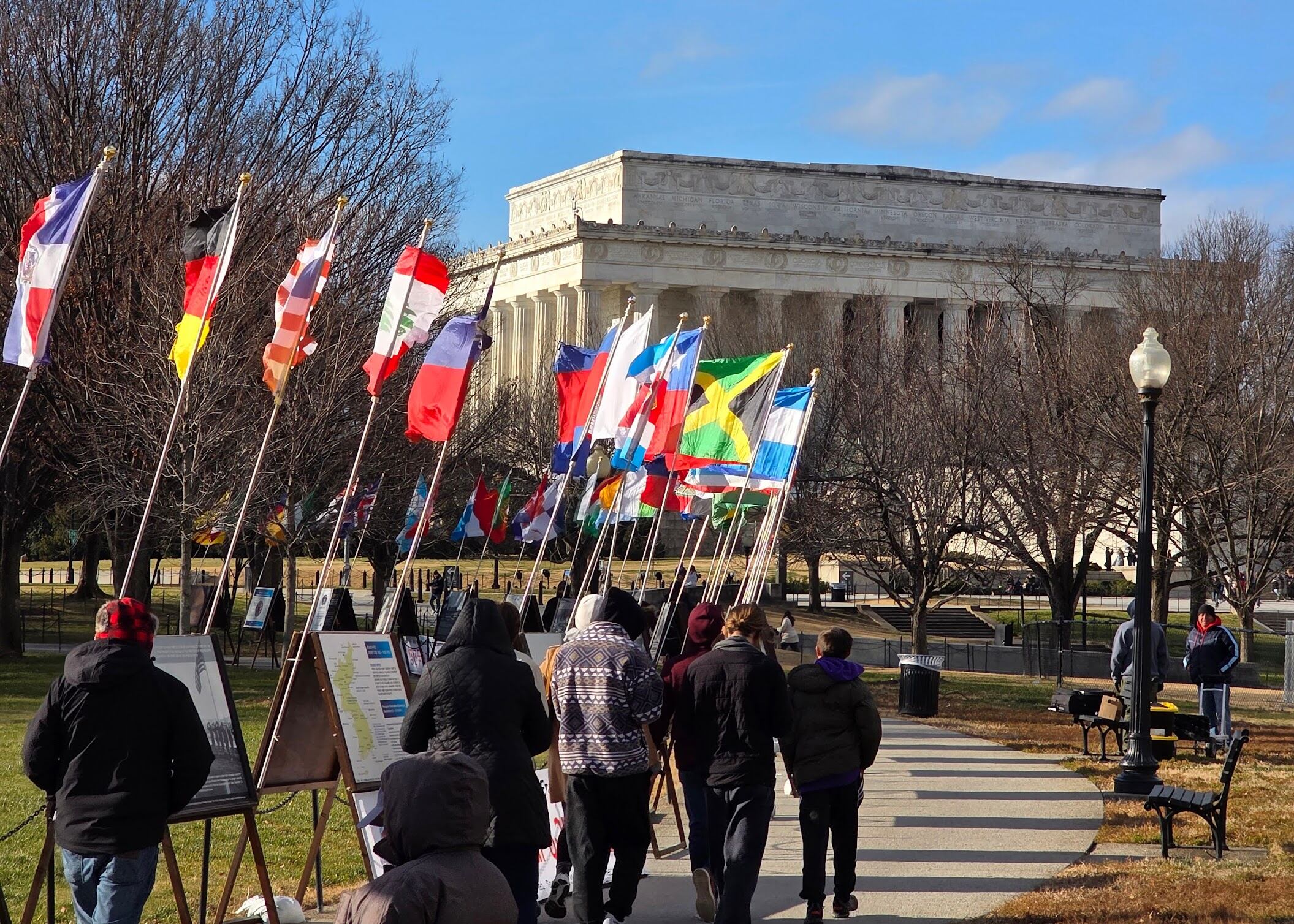
World Peace Freedom United (WPF), a non-profit group that has informed individuals both within and beyond the country about the historical realities of the Korean War, organized a photographic display honoring the Battle of Chosin Reservoir and the Hungnam withdrawal at the Korean War Veterans Memorial in Washington, D.C., towards the end of the previous year. The exhibit sought to emphasize that these occurrences were triumphs for freedom and democracy that preserved many lives.
Around 2,000 individuals participated in the exhibition, which also showcased the national flags of 67 countries that supported South Korea, including the 16 nations that sent military forces during the Korean War. Attendees shared remarks like, “I wasn’t aware the U.S. was such a significant country,” “U.S. education no longer covers the Korean War,” and “It would be great if this exhibition could be held in more cities.”
An older American man, after carefully looking at photographs of U.S. soldiers who died during the Battle of Chosin Reservoir and the civilian killings carried out by North Korean communists, emotionally talked about the ongoing human rights issues that North Koreans endure. He said, “It’s surprising that a non-profit organization has been holding these exhibitions for 25 years,” and then made a donation. Another guest questioned, “Why did China create a movie about the Battle of Chosin Reservoir a few years back and incorrectly present it as a Chinese triumph?”
The clash at the Chosin Reservoir and the evacuation from Hungnam are notable in military history due to both the effective withdrawal and the simultaneous rescue of around 100,000 non-combatant civilians. During that period, North Korean residents were classified as ‘enemy nationals,’ but the large-scale effort to save them was unique. Under harsh circumstances where troops were on the brink of death, they chose to focus on humanitarian missions.
As a typical businessman, I went to the funeral mass in 2001 for Marianus, a monk who witnessed a miracle during the Korean War. His original name before converting to Catholicism was Leonard LaRue—he was the commander of the cargo ship “Meredith Victory,” which rescued 14,000 North Korean refugees during the Hungnam evacuation. Learning about this history for the first time at the mass, I felt deeply moved and guilty. This event transformed my life. I wanted to honor the UN forces who gave their lives during the Korean War and spread awareness of their accomplishments to people like me who were unaware or indifferent. I started gathering materials from the U.S. National Archives and launched the ‘Korean War Photo Exhibition’ in 2005.
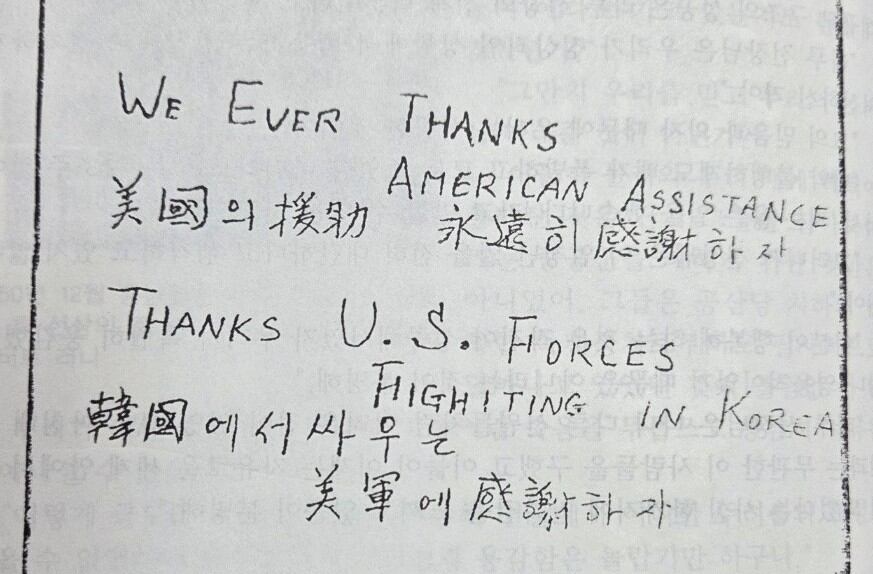
South Korea, having emerged from the devastation of conflict, has transformed its national status from an aid recipient to a contributor of support. I believe that present-day South Korea would not have come into existence without the sacrifices, commitment, and material help provided by U.S. and UN forces. Hence, in our pursuit of becoming a developed country, we must never overlook the importance of remembering and showing appreciation to them. Those who lived through the war should not be proud or conceited. Many soldiers, police officers, student combatants, and civilians gave up their lives. There is no greater act of love than sacrificing one’s final chance for the sake of others.
Even today, observe those who are willing to risk their lives to flee North Korea. I think the ‘Hungnam evacuation’ is still taking place. This exhibition was made possible through active support from Gyeryong City, the defense capital of South Korea. My aim is to present the photo exhibition in all 16 countries that sent troops. Many of the nations that helped us during the Korean War are now less wealthy than South Korea. I carry out this work to convey appreciation and demonstrate that hard work results in prosperity.
 jasdooit
Leave a comment