
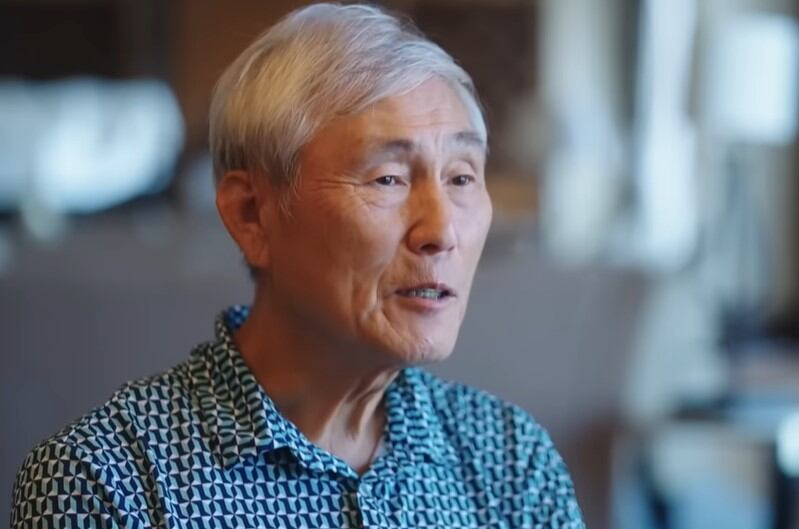
Ten years after artificial intelligence (AI) made its debut in the game of Go, experts believe the game’s strategies and essence are undergoing a profound transformation. National Go master Cho Hun-hyun 9-dan noted, “Playing styles have vanished,” while world number one Shin Jin-seo 9-dan stated, “I strive to keep a beneficial flow, similar to AI.” AI has transformed the benchmarks of Go.
The EBS documentary “Docuprime – AlphaGo 10 Years, AI and Go,” aired on the 5th, examined developments in the Go community since the 2016 contest between Lee Sedol 9-dan and the artificial intelligence system ‘AlphaGo.’
Cho Hun-hyun 9-dan viewed the arrival of AlphaGo as a significant milestone in contemporary Go. He remarked, “Playing styles have disappeared. Players previously had their own methods—whether focusing on influence or territory—but with AI, there’s no unique style anymore.” He further noted, “As AI suggests moves, we have no option but to comply. As a result, everyone’s style has become similar. (In the past), there were trends such as the ‘Cho Hun-hyun style’ or the ‘Lee Chang-ho style,’ but now it’s hard to determine who made a particular move.”

This change is noticeable even among the leading active players. Shin Jin-seo 9-dan, currently ranked world No. 1, stated, “I don’t copy AI, but I strive to keep favorable positions and consistently apply pressure on my opponents, similar to AI.” He further mentioned, “I view AI as an essential partner in my Go journey.” A research study analyzing the similarity of moves between Shin and AI revealed a 37.6% match rate—higher than the average for other players (28.5%).
Choi Jeong 9-dan, considered the top female Go player, recognized the impact of artificial intelligence. She stated, “I used to make moves based on my preferences, but now I aim to follow AI’s suggestions.” She added, “Since the introduction of AI, the difference in skill between female and male players has definitely decreased.”
Experts, coaches, and hobbyists are all impacted. Park Mi-ra, who operates a Go school, stated, “I used to strongly believe that AI couldn’t enhance skills because I lacked understanding. However, since AI is the most powerful, and you face defeat if you don’t follow its suggestions, I had to change. Direct usage revealed numerous effective moves.” Amateur 7-dan Kim Jeong-seon noted, “Go has become significantly more challenging. The standard has increased, so there’s more to learn, and regardless of how much I study, it seems never-ending.”
Professor Nam Chi-hyung from the Go Studies Department at Myongji University said, “AI is similar to a solution manual that gives accurate answers, but students shouldn’t depend entirely on it.” He further mentioned, “Especially for those who are just starting out or at the amateur 5-dan level, it’s challenging to understand why AI’s ‘correct’ moves are appropriate. Individuals who utilize AI successfully are typically professionals or top amateurs aiming to become pros.”
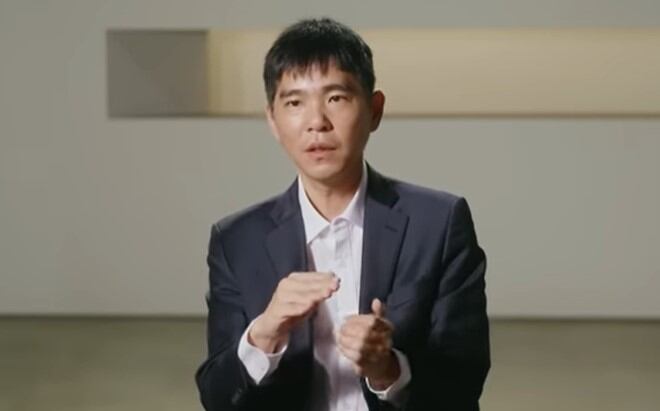
Lee Sedol, a renowned 9-dan player known for his encounter with AlphaGo, voiced worries regarding the growing skill disparities in the age of artificial intelligence. He remarked, “When I began, I used to ask myself, ‘How would a master play?’ Now, it’s ‘How would AI play?’” He cautioned, “The gap isn’t getting smaller—it’s increasing. In the Go community, the difference between top players and those ranked lower has become more pronounced.” He elaborated, “AI serves as an additional tool that is widening the divide. Top players are better at understanding and applying AI compared to lower-ranked individuals.” He further noted, “In the past, skill gaps expanded gradually, but now, due to AI’s quick outcomes, the gap is growing significantly. This trend demands serious attention.”




 jasdooit
Leave a comment