
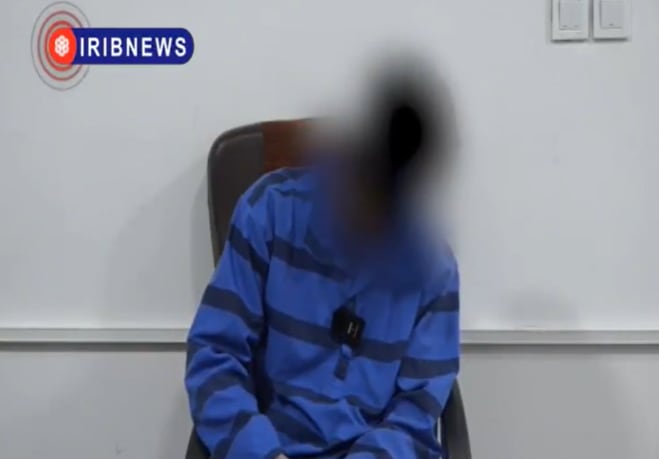
A video showing an Iranian anti-government protester admitting to “crimes” on state television has been made public. It seems that Iranian officials are increasing both their violent suppression of demonstrations and their propaganda activities through state-run media.
On the 13th (local time), according to AP News, which referenced data from human rights organizations, at least 97 demonstrators have publicly admitted their involvement on Iranian state television in the last two weeks.
Although state television has previously shown confession videos, the magnitude of these confessions within such a brief timeframe is without precedent. As reported by organizations such as Justice for Iran, around 350 confession videos were aired on state media between 2010 and 2020. Given that the number of such confessions broadcasted each year stayed between 40 and 60 until the previous year, the current increase is especially notable.
In these recent videos, demonstrators—shown with their hands tied—mostly conveyed remorse for what they did. Their faces were obscured. The videos included clips of protesters reportedly assaulting security personnel, starting fires, or causing damage, combined with low-quality surveillance footage and melancholic background music. Simple homemade weapons allegedly used by the protesters were also displayed.
The Iranian authorities assert that these admissions, often referencing Israel or the United States, serve as proof that external powers are responsible for the recent widespread demonstrations.
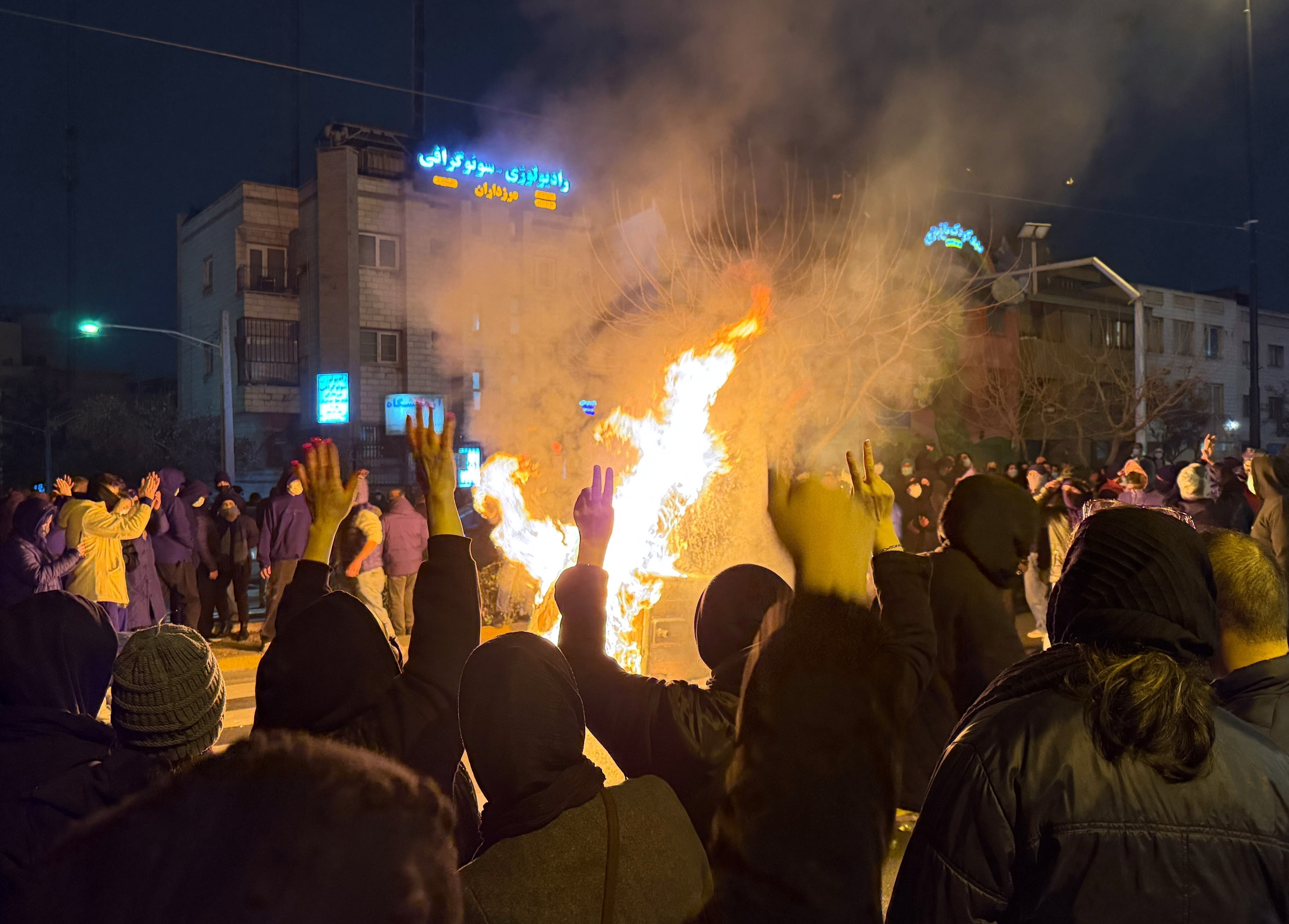
Nevertheless, organizations focused on human rights have condemned the widespread confessions as results of torture. These confessions are usually obtained through psychological and physical torment, frequently resulting in serious repercussions, such as capital punishment. Skyler Thompson, the deputy director of the U.S.-based Human Rights Activists News Agency (HRANA), remarked, “These multiple human rights abuses result in terrible consequences—this government’s repeated behavior.”
The application of forced confessions as a basis for severe penalties is another significant concern. A 2014 UN special report regarding Iran indicated that 70% of those previously detained mentioned their coerced confessions or statements were utilized against them during court proceedings.
State-run television has continued to broadcast coerced confessions since the turbulent period following the 1979 Iranian Islamic Revolution. A well-known instance of such pressure involves Maziar Bahari, a former Newsweek journalist. While reporting on the controversial 2009 election and subsequent protests in Tehran, he was held by officials for several months. Later, he created the film *Forced Confession* and authored a book recounting his ordeal.

 jasdooit
Leave a comment